English
  русский
  Español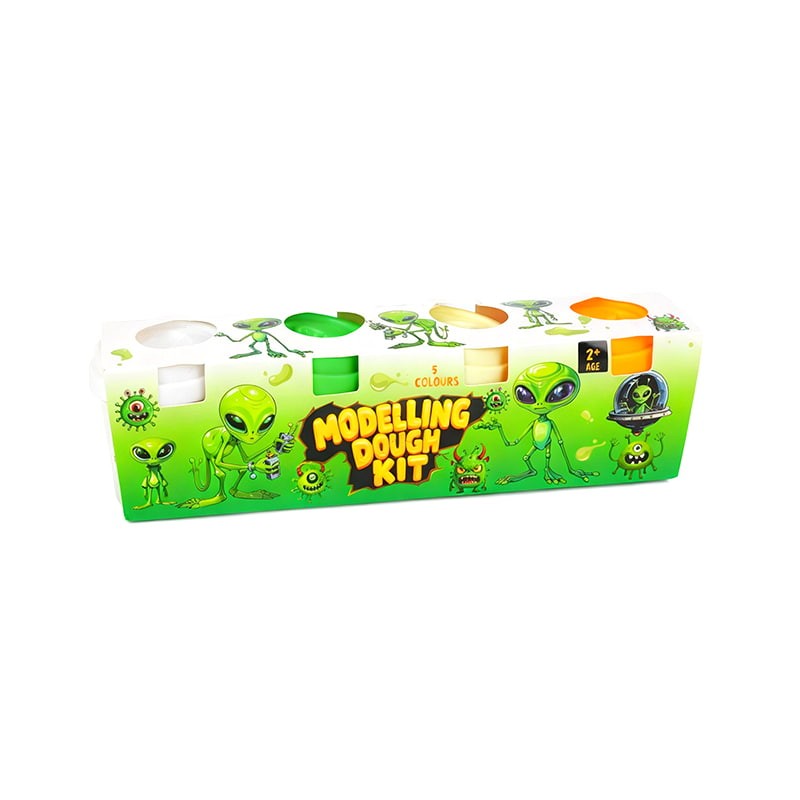
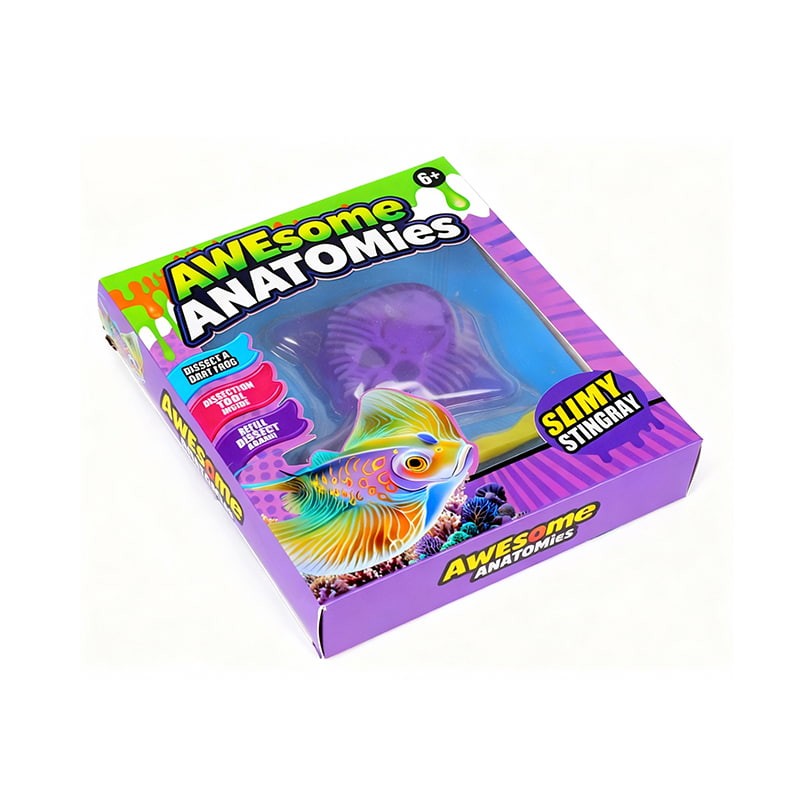
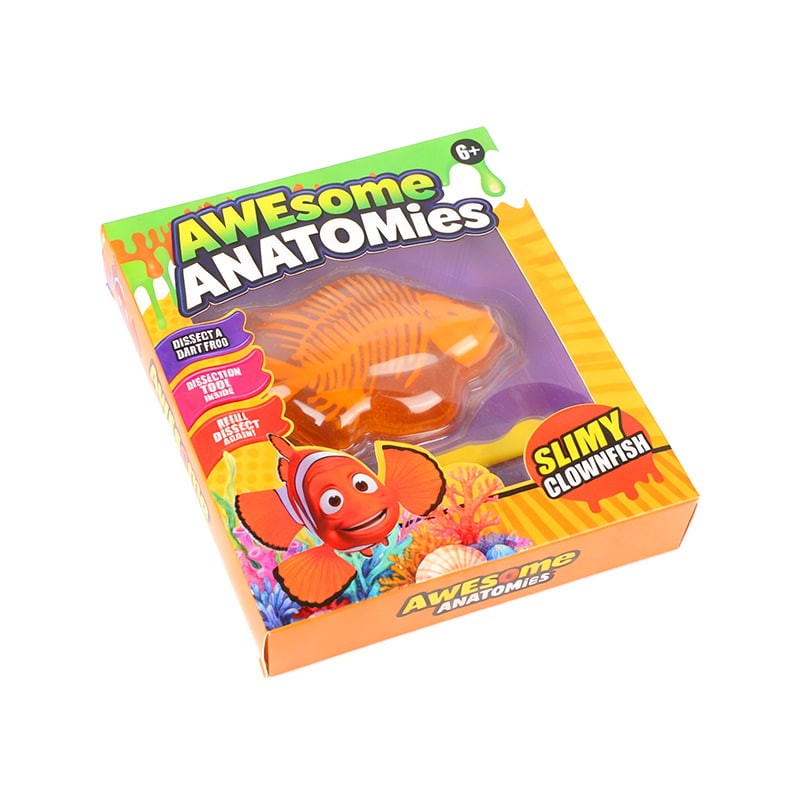
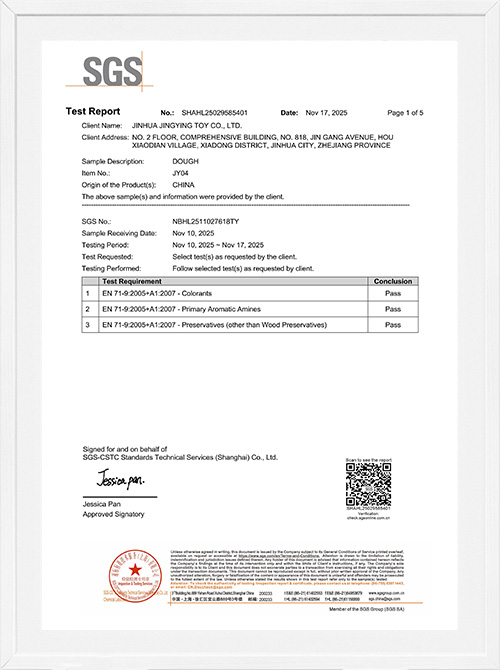
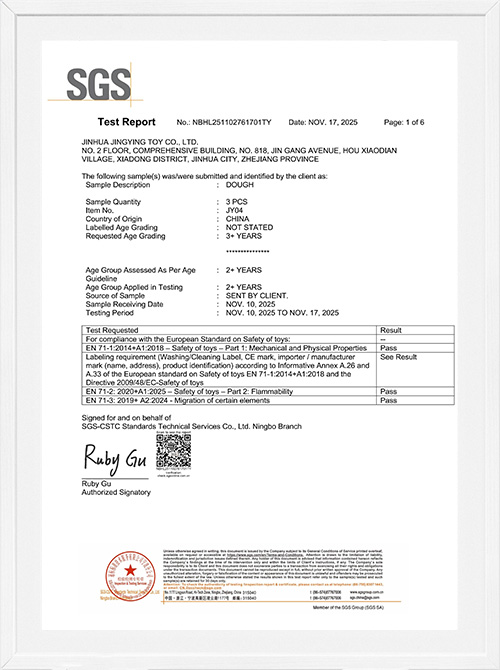
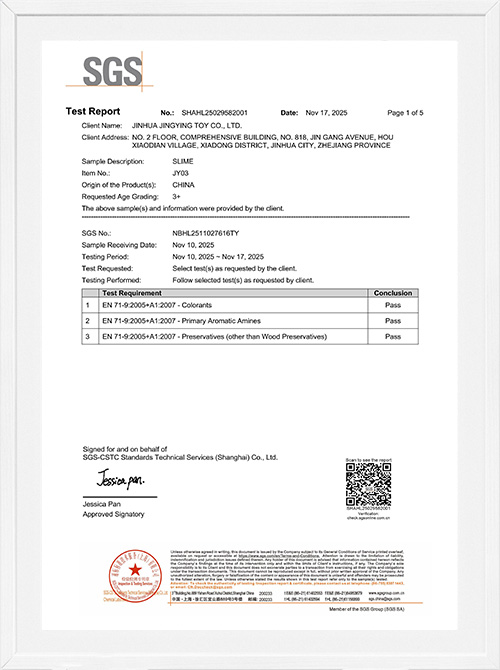
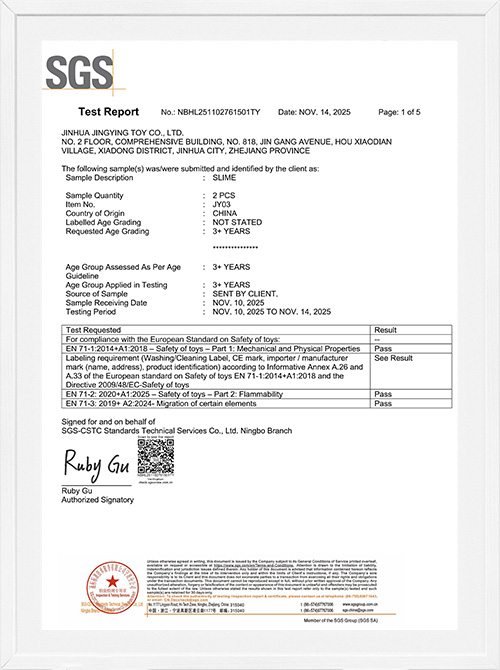
In recent years, sensory play products have gained increasing attention among parents, educators, and toy brands worldwide. With the popularity of cre...
Read More
OEM Decompression Mud
-
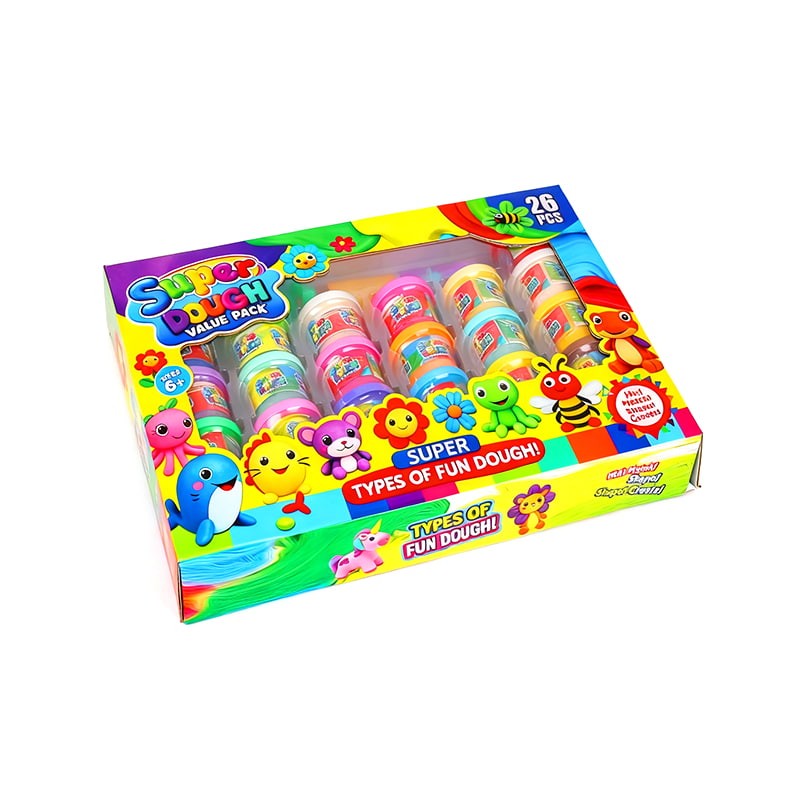
Modelling Dough Kit
Product Name DOUGH SET Quantity per Box 6X26PCS Item Number MFN-5002 Net We...View More -
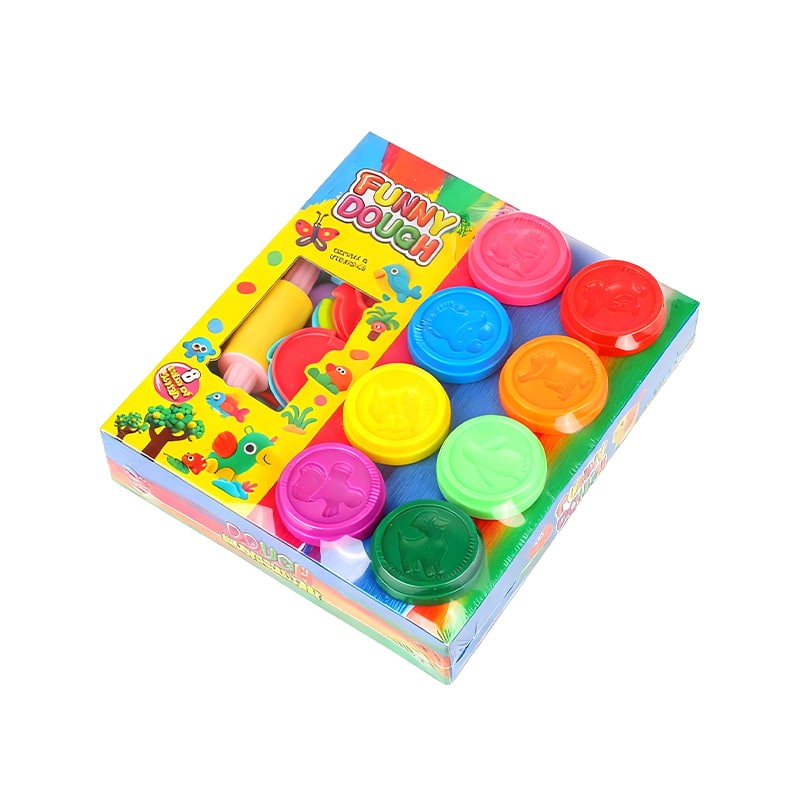
Modelling Dough Kit
Product Name DOUGH SET Quantity per Box 8X26PCS Item Number MFN-5006 Net We...View More -
Modelling Dough Kit
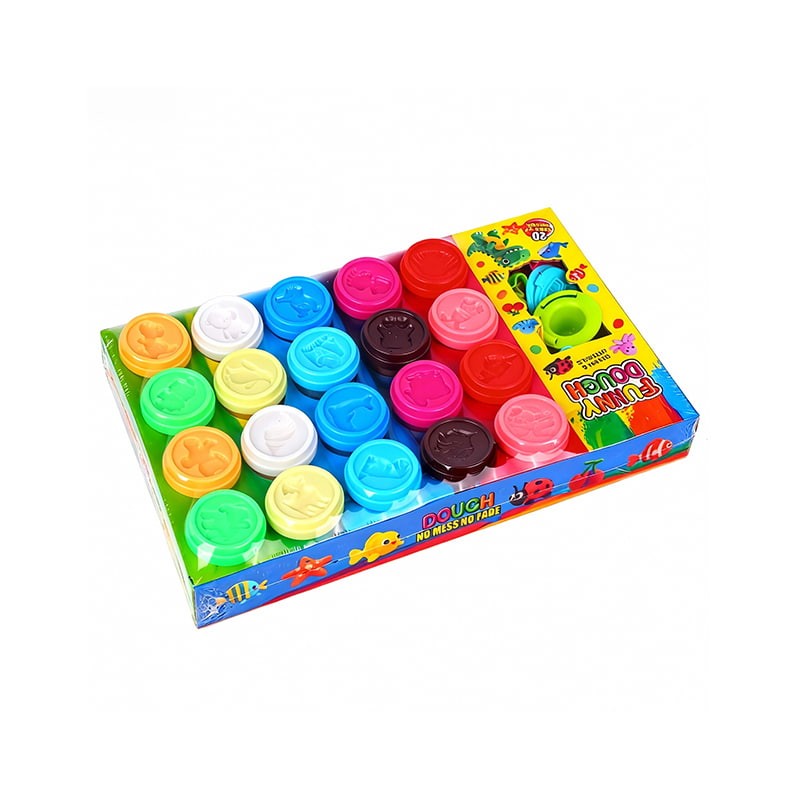
Product Name DOUGH SET Quantity per Box 8X20PCS Item Number MFN-5005 Net We...View More -
Modelling Dough Kit
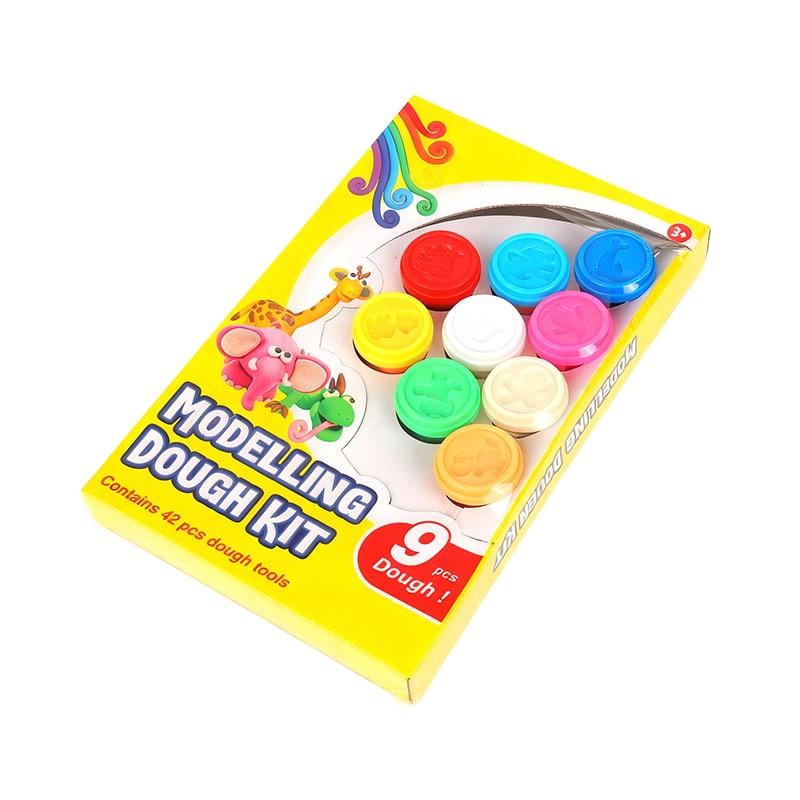
Product Name DOUGH SET Quantity per Box 9X12PCS Item Number MFN-5001 Net We...View More -
Modelling Dough Kit
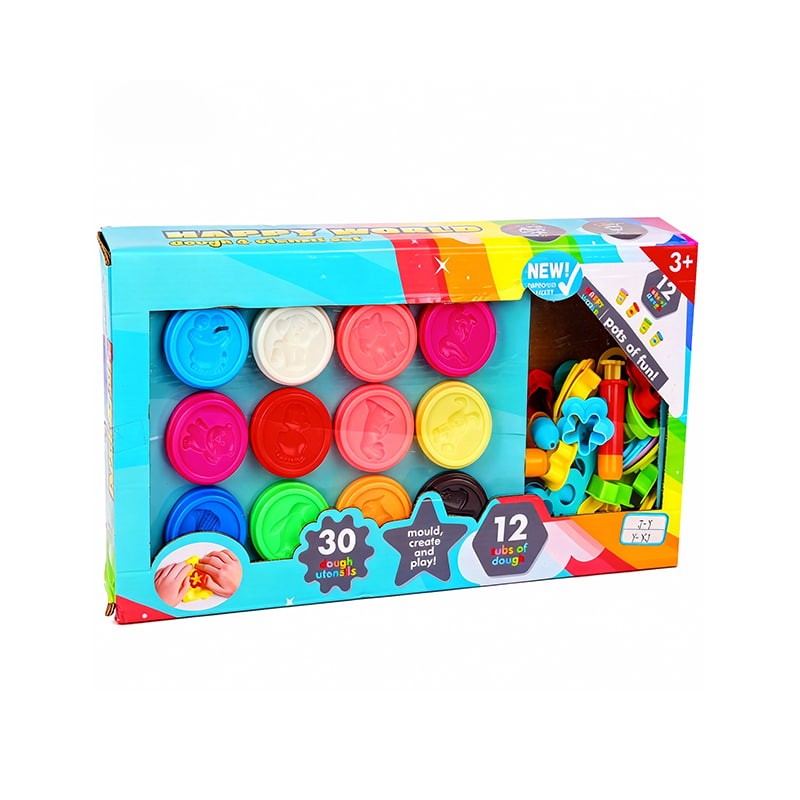
Product Name DOUGH SET Quantity per Box 12X12PCS Item Number MFN-5003 Net W...View More -
Modelling Dough Kit
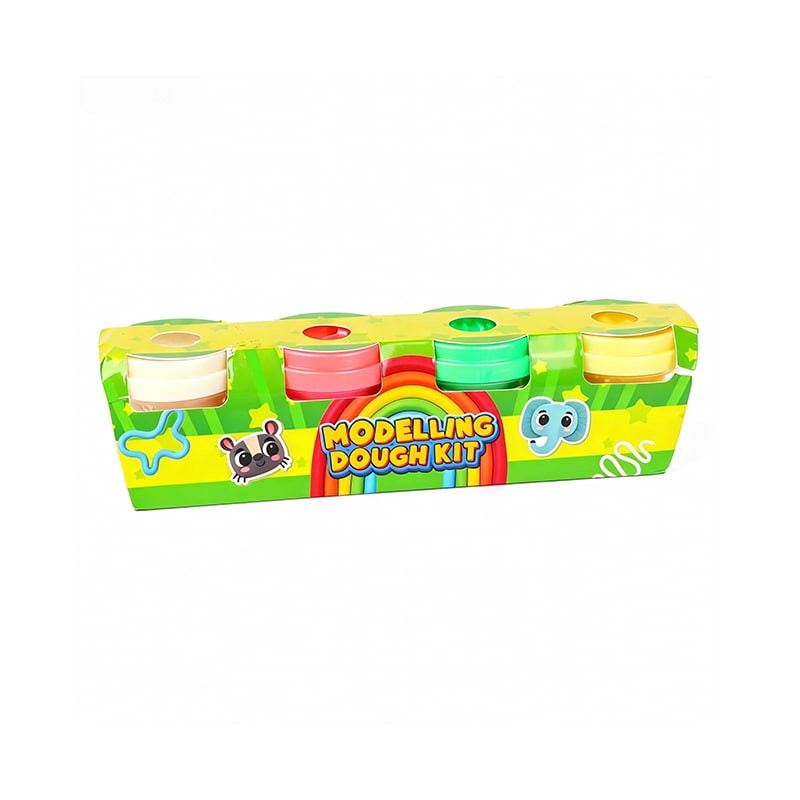
Product Name DOUGH SET Quantity per Box 3X48PCS Item Number MFN-5004 Net We...View More -
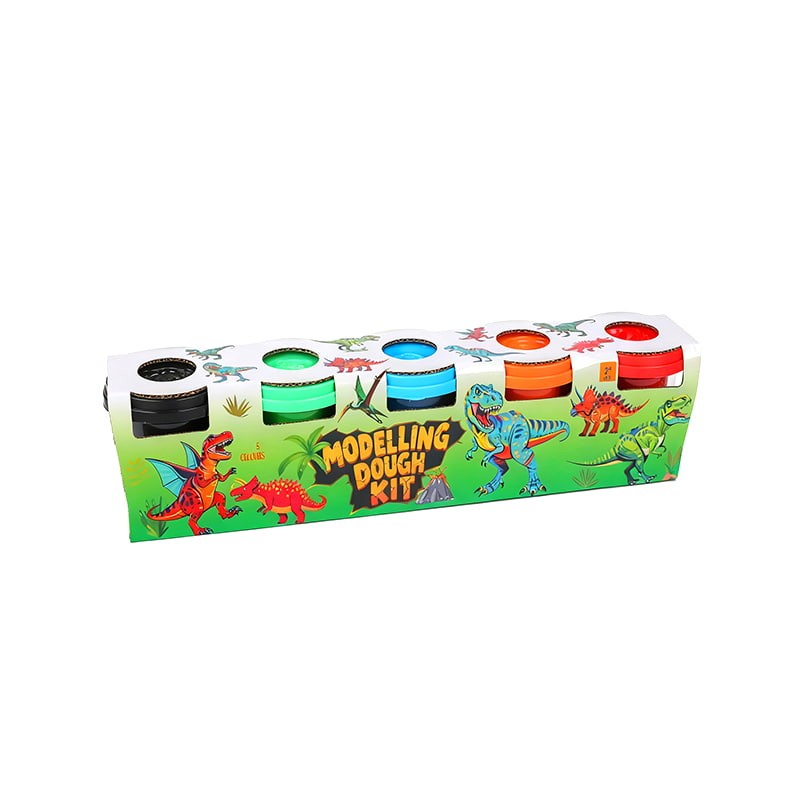
Modelling Dough Kit
Product Name DOUGH SET Quantity per Box 5X48PCS Item Number MFN-5007 Net We...View More
Our Modelling Dough Kits are specially designed for children’s creative play, early education, and sensory development. The dough has a soft and delicate texture, easy to knead, shape, press, and model into a wide range of figures, animals, food shapes, numbers, letters, and educational craft items. It helps children improve hand-eye coordination, creativity, imagination, and color recognition while enjoying a safe and fun play experience. Our dough kits are suitable for homes, kindergartens, art classrooms, learning centers, and children’s play activity projects. They are also popular for holiday gifts, party favors, school projects, and parent-child activities.
We manufacture Modelling Dough Kits using carefully formulated materials, stable quality control, and hygienic production environments. The dough is non-sticky, easy to clean, reusable, and available in multiple colors, scents, and textures according to customer needs. Packaging options include single cups, multi-cup sets, bucket packaging, boxed kits, and customized educational sets with accessories such as tools, molds, cutters, rollers, and themed craft components.
As a professional children’s craft toy manufacturer, we support OEM and ODM customization, logo printing, private label, and customized formulas. We provide product development support, safety compliance guidance, and flexible production capacity to meet different market requirements. Our team offers stable delivery, competitive pricing, and professional after-sales service to support distributors, brand owners, supermarkets, and educational product suppliers worldwide. Through continuous innovation and strict quality assurance, our Modelling Dough Kits aim to bring safe, creative, and enjoyable craft experiences to children in different countries and regions.
Company Profile

JinHua JingYing Toys Co., Ltd.
Jingying Toys is a modern children's toy manufacturer that integrates research and development (R&D), production, and sales. As a China Modelling Dough Kit supplier and Modelling Dough Kit factory, we are mainly engaged in wholesale Modelling Dough Kit and specialize in the production and sale of ultra-light clay products, including crystal mud, modeling clay, rubber mud, dashan clay, creative toy beans, clay, snowflake mud, sand, and sand-based adhesive. Since our establishment in 2005, we have consistently adhered to the business philosophy of "Quality as the Foundation, Innovation-Driven, Customer-First."
We now possess over 20,000 square meters of modern standard factory space, equipped with advanced automated production lines and precision testing equipment. Our workforce comprises approximately 300 employees, including over 20 experienced management personnel and a dedicated 20-member technical R&D team focused on product improvement and new product development.
Looking ahead, JinHua JingYing Toys Co., Ltd. will continue to uphold our philosophy of innovation-driven leadership and quality excellence. We look forward to establishing stable, mutually beneficial, and long-term collaborative relationships with more partners, working together to create a brighter future for the children's creative toy industry.
Certificate of Honor
Latest News
-
-
The global toy and educational product market has been shifting toward safer, cleaner, and more sensory-focused materials, especially in early childho...
Read More -
The global creative materials market is evolving rapidly as consumer demand shifts toward safer, more sustainable, and more engaging tactile products....
Read More -
The global market for sensory toys, creative modeling materials, and stress-relief products is expanding rapidly as consumers increasingly prioritize ...
Read More
Contact Us Now
Modelling Dough Kit Industry knowledge
What Makes Decompression Mud a Therapeutic Tool?
Decompression Mud is a versatile, squishy material known for its stress-relieving properties. Often used for stress management and sensory exploration, it provides a tactile experience that helps with both emotional regulation and physical relaxation. The mud’s soft, moldable texture allows users to knead, squeeze, and shape it, providing a satisfying outlet for stress. As it responds to pressure, the mud offers immediate feedback, which can help individuals refocus and calm their minds.
One of the main advantages of Decompression Mud is its ability to support mindfulness. By manipulating the substance, users engage in a form of meditative play, which can help reduce anxiety and improve focus. This makes it ideal not only for children but also for adults, especially in workplaces or study environments where moments of relief are needed. Decompression Mud also offers a range of sensory experiences, as it feels different in the hands compared to other textures such as clay or sand.
In educational settings, Decompression Mud can be used as a therapeutic tool to help children manage emotions and regulate behavior. For younger children, it can also serve as an introduction to sensory play, where they experiment with how the material reacts under different pressures. Additionally, as children manipulate the mud, they enhance their fine motor skills by working on hand strength and dexterity.
How Do Modelling Dough Kits Stimulate Creative Thinking?
Modelling Dough Kits provide children with the opportunity to explore their imagination in a structured yet flexible way. These kits often include various colored doughs, sculpting tools, and instructions for specific projects, such as building animals, vehicles, or even abstract art. While they can be used to follow preset designs, these kits also allow for open-ended play, giving children the freedom to create whatever they can imagine.
A key feature of Modelling Dough Kits is their educational value. As children manipulate the dough, they improve their fine motor skills and hand-eye coordination. The tactile experience of shaping and molding the dough also enhances their understanding of basic concepts such as shape, size, and proportion. Furthermore, Modelling Dough Kits can stimulate creativity by encouraging children to think beyond basic shapes and experiment with combining colors and textures.
For educational purposes, these kits are often used to teach children about patterns, symmetry, and design. As they create different shapes, children start to learn about balance and structure, which are fundamental concepts in art and science. Modelling Dough Kits also promote problem-solving skills, as children figure out how to connect different pieces or mold the dough into more complex figures.
Additionally, the process of following instructions in a kit enhances reading and comprehension skills. As children read through the steps, they practice sequential thinking and improve their ability to follow directions. This combination of creativity and skill-building makes Modelling Dough Kits a great addition to both home and school environments.
Why Is Dough Clay Modelling Important for Skill Development?
Dough Clay Modelling goes a step further than traditional playdough by providing a firmer, more durable material for creating detailed sculptures and models. Its sturdier texture allows for greater control, making it ideal for more intricate projects that require precision. Unlike regular dough, which may lose its shape over time, Dough Clay Modelling holds up better, making it a great medium for long-lasting creations.
The main advantage of Dough Clay Modelling is its ability to refine fine motor skills. Since it requires a firmer touch, users need to develop more control over their hand movements to achieve detailed designs. This is especially useful for children as it encourages hand strength, dexterity, and the ability to focus on fine details. Creating small figures or intricate designs also helps improve spatial awareness, as children learn how different elements fit together.
Dough Clay Modelling is widely used in art education to introduce children to sculptural techniques. Unlike traditional drawing or painting, working with clay helps children understand three-dimensional space. They learn about volume, texture, and the relationship between form and function. As they experiment with different tools and techniques, children begin to develop a deeper appreciation for craftsmanship and the artistic process.
For older children and adults, Dough Clay Modelling offers an opportunity to engage in more complex artistic endeavors. From miniatures to jewelry making or even creating functional objects like bowls or figurines, the possibilities are endless. The material allows users to work in a variety of styles, from abstract forms to lifelike representations, fostering both creativity and skill development. As such, it is not only an enjoyable activity but also an educational tool that can help develop both artistic and practical skills.


CHOOSE US, AND YOU WILL ACHIEVE SUCCESS.
- Product Category
- Kids’ Creative DIY Kits
- Modelling Dough Kit
- Squirmy Worms Sensory Toy
- Kinetic Sand
- Slime
- Snow Foam Clay
- Color Modeling Clay
- All Categories
- Contact Us
-
-
No. 1399, Jinguang Avenue, Fucheng Town, Jindong District, Jinhua City, Yiwu City, China

-
[email protected]

[email protected] -
+86-579-85172625

-