English
  русский
  Español
Industry News
Why Are Toy Brands Paying More Attention to the Quality Control of Kinetic Sand Production?
Content
- 1 Why Texture Consistency Matters in Kinetic Sand Manufacturing
- 2 Material Selection Directly Affects Product Performance
- 3 Why Manufacturing Process Control Is Important for Global Buyers
- 4 Customization Has Become a Key Requirement for Toy Brands
- 5 What International Buyers Should Evaluate Before Choosing a Supplier
- 6 Applications Beyond Traditional Toy Markets
- 7 Future Development of Professional Kinetic Sand Manufacturing
In recent years, sensory play products have gained increasing attention among parents, educators, and toy brands worldwide. With the popularity of creative learning activities and hands-on educational toys, buyers are searching for more reliable solutions such as safe sensory sand supplier, custom kinetic sand production quality control, and long-term toy material stability. As a professional Kinetic Sand Factory, we understand that modern buyers are no longer only focused on product appearance but also require consistent texture, safety compliance, packaging flexibility, and stable supply capability for international markets.
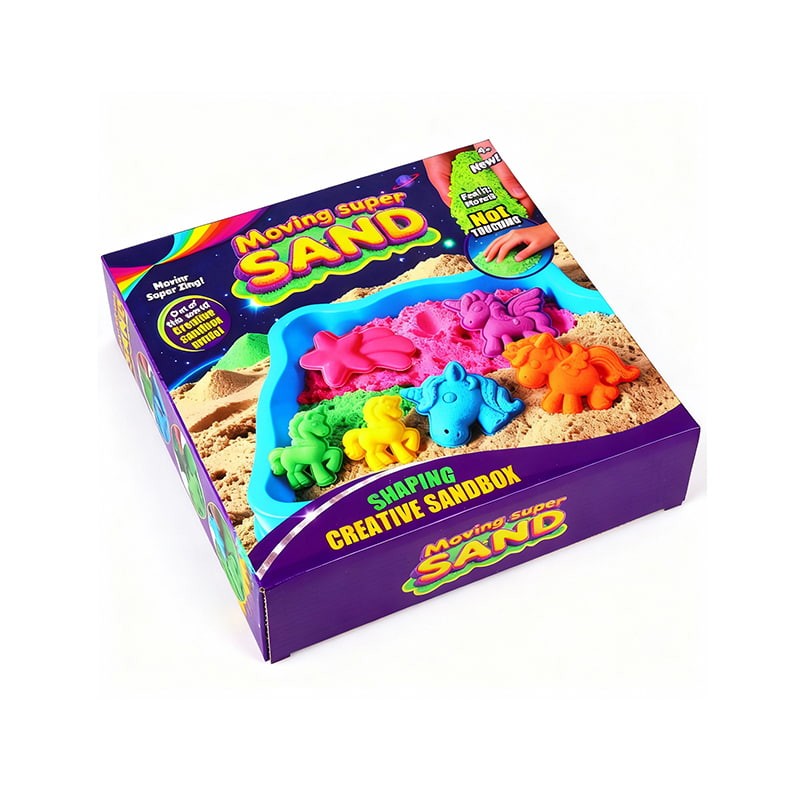
For toy companies developing new sensory products, choosing the right manufacturing partner has become an important step in maintaining product quality and market competitiveness.
Why Texture Consistency Matters in Kinetic Sand Manufacturing
Unlike ordinary play materials, kinetic sand depends heavily on its unique sensory experience. The balance between softness, moldability, and flow characteristics determines how users interact with the product.
During large-scale production, manufacturers need to control several factors, including:
- Uniform particle size distribution
- Stable moisture balance during processing
- Consistent softness between different production batches
- Smooth molding performance for creative play
- Long-term storage stability after packaging
Small differences in raw materials or production conditions can influence the final user experience, making manufacturing control essential.
Material Selection Directly Affects Product Performance
For international toy brands, material selection is one of the first questions considered during supplier evaluation. A suitable formulation needs to balance play experience with safety and production requirements.
Professional manufacturers focus on:
- Selecting appropriate base materials for sensory performance
- Maintaining stable physical characteristics during storage
- Ensuring compatibility with different packaging formats
- Supporting customized colors and product concepts
- Reducing quality variation during mass production
This approach helps brands develop products that meet different market expectations.
Why Manufacturing Process Control Is Important for Global Buyers
Many buyers underestimate the influence of production processes on sensory products. In reality, mixing technology, environmental control, and quality inspection procedures all affect the final product.
A reliable production system should include:
- Controlled mixing procedures for consistent texture
- Standardized production workflows
- Batch inspection before shipment
- Packaging checks to prevent contamination
- Traceable production records for quality management
These processes allow manufacturers to provide more stable products for overseas markets.
Customization Has Become a Key Requirement for Toy Brands
As competition increases in the educational toy market, brands are looking for customized product solutions rather than standard items.
Common customization requirements include:
- Different color combinations
- Customized packaging designs
- Various package sizes for retail channels
- Seasonal or themed product development
- Private label manufacturing support
Flexible OEM capabilities allow brands to respond faster to changing consumer interests.
What International Buyers Should Evaluate Before Choosing a Supplier
Selecting a manufacturing partner requires more than comparing product prices. Professional buyers usually consider:
- Production experience in sensory toy materials
- Quality control procedures
- Custom development capability
- Packaging and export experience
- Communication efficiency during product development
A supplier with strong manufacturing knowledge can help reduce risks during product launch and long-term cooperation.
Applications Beyond Traditional Toy Markets
Kinetic sand products are expanding into different educational and creative environments.
Typical applications include:
- Children’s educational activity products
- Sensory learning materials
- Creative classroom tools
- DIY craft products
- Family entertainment products
These applications require stable product performance because users expect consistent tactile experiences.
Future Development of Professional Kinetic Sand Manufacturing
The sensory toy market continues to move toward safer materials, customized product concepts, and higher manufacturing standards. For global brands, the ability to maintain stable quality while developing unique products will become increasingly important.
Working with an experienced Kinetic Sand Factory allows buyers to achieve better control over product consistency, customization possibilities, and supply reliability, helping brands create competitive sensory products for international markets.
NEXT:Why Are Buyers Demanding More Consistent Sensory Play Materials in Global Toy Supply Chains?
-
Kids’ Creative DIY Kits
Product Name SLIME Quantity per Box 4X6PCS Item Number SLM-1001 Net Weight ...View More -
Kids’ Creative DIY Kits
Product Name DINOSAUR JELLY GLUE Quantity per Box 24PCS Item Number DGJ-20004 ...View More -
Kids’ Creative DIY Kits
Product Name JELLY GLUE Quantity per Box 48PCS Item Number DGJ-20005 Net We...View More -
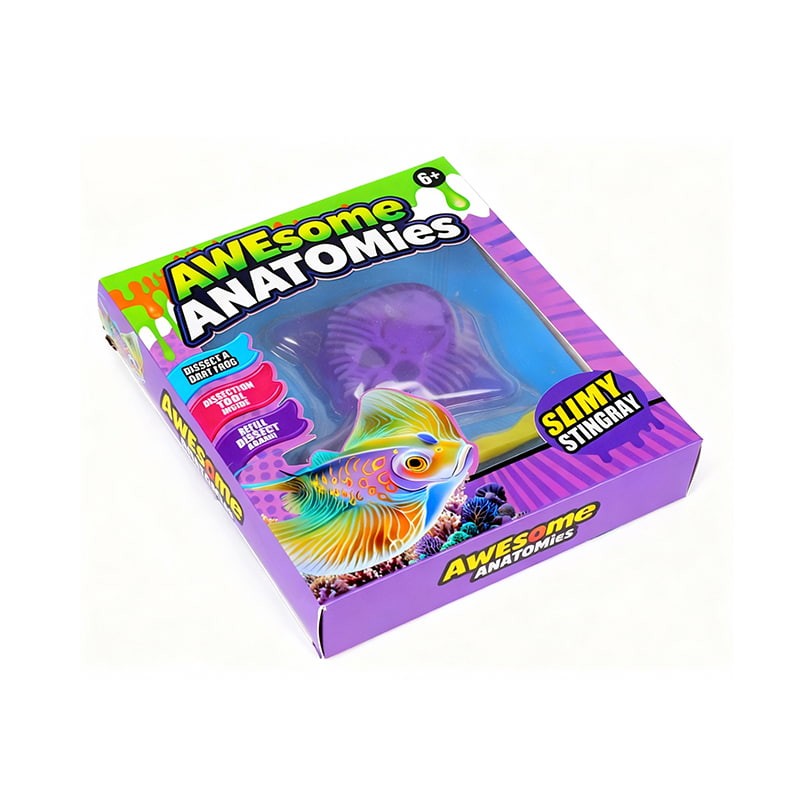
Kids’ Creative DIY Kits
Product Name JELLY GLUE Quantity per Box 48PCS Item Number DGJ-20006 Net We...View More -
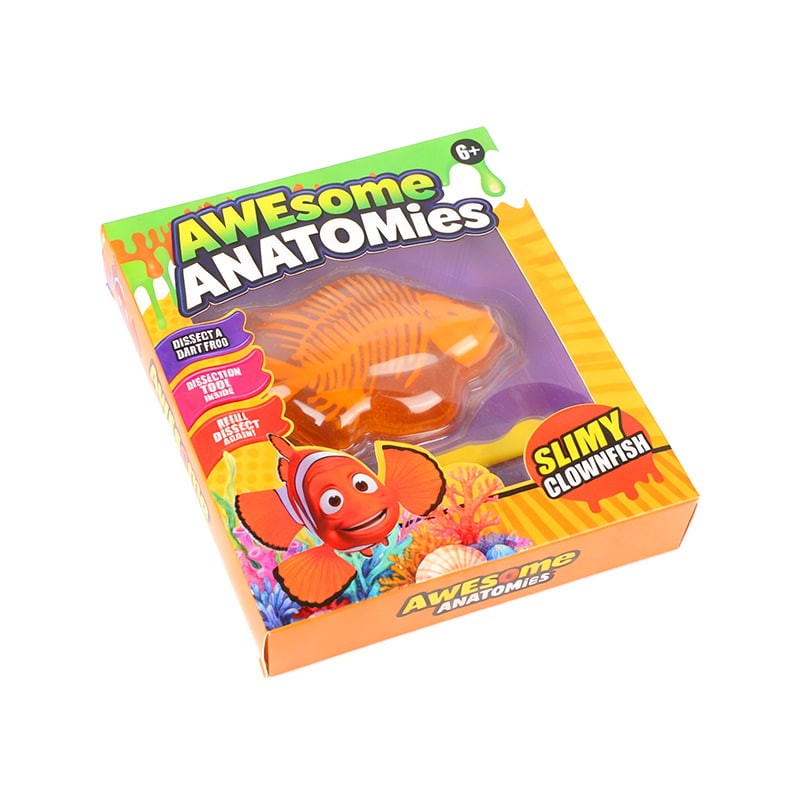
Kids’ Creative DIY Kits
Product Name JELLY GLUE Quantity per Box 48PCS Item Number DGJ-20007 Net We...View More -
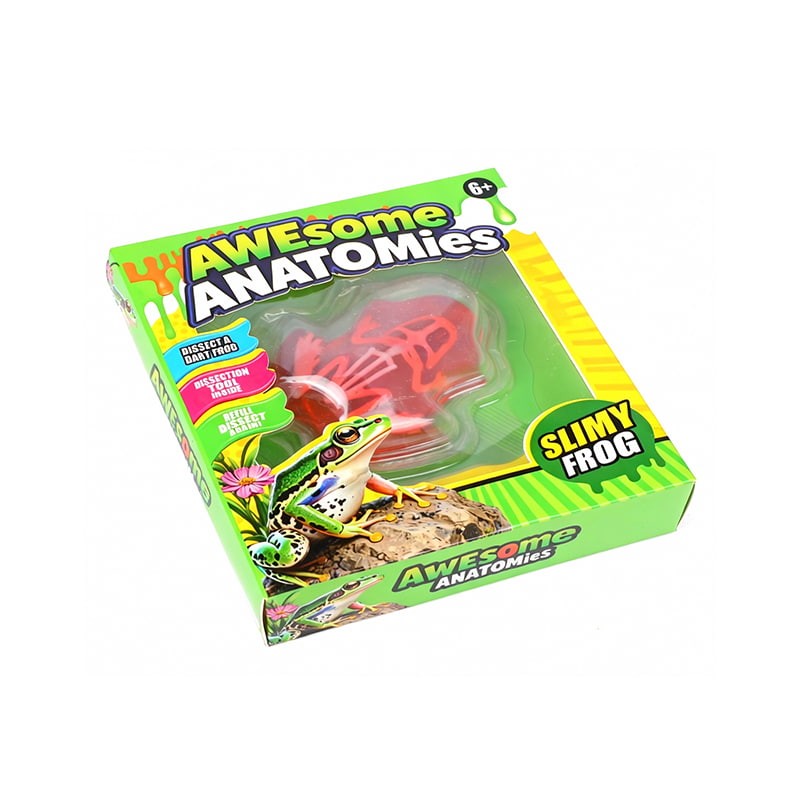
Kids’ Creative DIY Kits
Product Name JELLY GLUE Quantity per Box 48PCS Item Number DGJ-20008 Net We...View More -
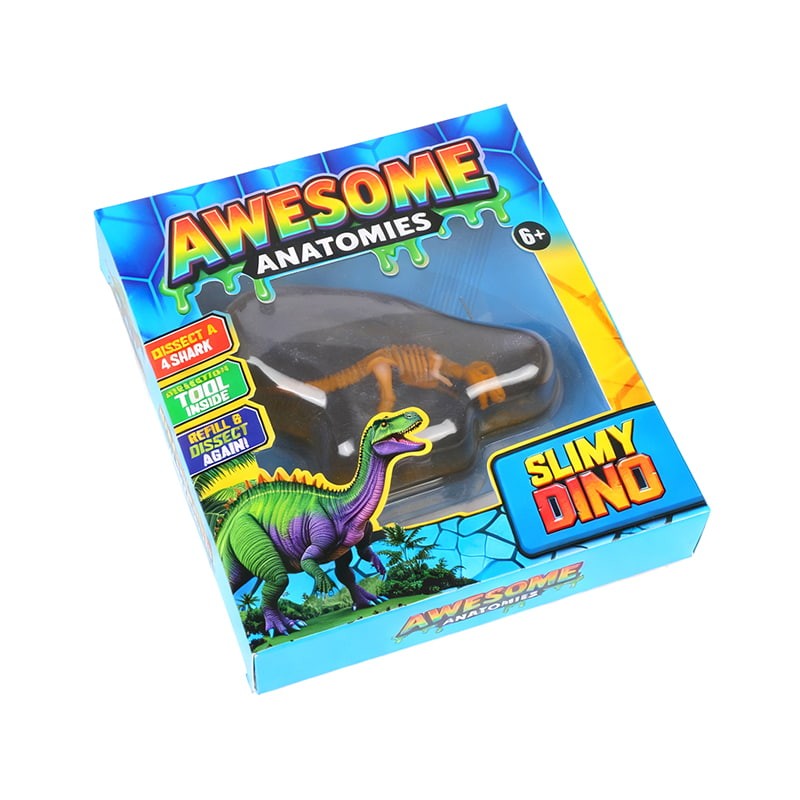
Kids’ Creative DIY Kits
Product Name DINOSAUR JELLY GLUE Quantity per Box 48PCS Item Number DGJ-20001 ...View More

- Product Category
- Kids’ Creative DIY Kits
- Modelling Dough Kit
- Squirmy Worms Sensory Toy
- Kinetic Sand
- Slime
- Snow Foam Clay
- Color Modeling Clay
- All Categories
- Contact Us
-
-
No. 1399, Jinguang Avenue, Fucheng Town, Jindong District, Jinhua City, Yiwu City, China

-
[email protected]

[email protected] -
+86-579-85172625

-