English
  русский
  Español
Industry News
How Is Eco-Friendly Material Engineering Transforming the Future of Creative Sensory Products?
Content
- 1 Why Is Sustainability Becoming Important in Sensory Material Production?
- 2 How Is Consumer Behavior Influencing Product Innovation?
- 3 Why Is Texture Stability a Core Technical Requirement?
- 4 How Is Educational Application Expanding Product Demand?
- 5 Why Is Supply Chain Stability Critical for Global Buyers?
- 6 Is Material Innovation Defining the Next Phase of Sensory Product Growth?
The global creative materials market is evolving rapidly as consumer demand shifts toward safer, more sustainable, and more engaging tactile products. Industries such as educational toys, stress-relief tools, DIY craft materials, and sensory development products are all experiencing steady growth. In this context, manufacturers are increasingly rethinking material formulation to balance safety, performance, and environmental responsibility. Decompression Mud has become a widely discussed product category in global procurement searches, especially among brands looking for flexible, non-toxic, and user-friendly sensory materials.
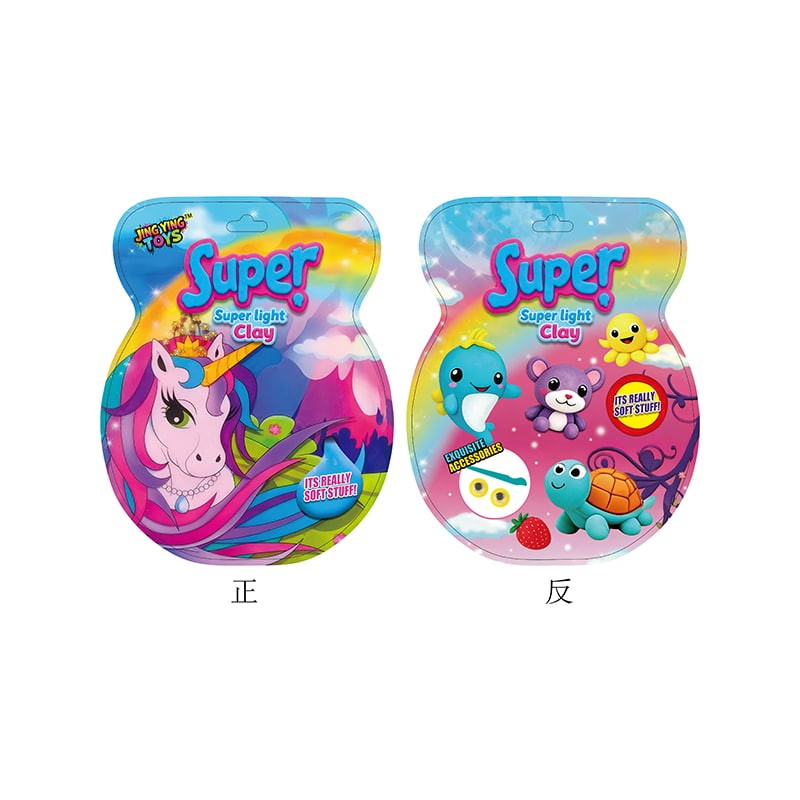
Recent buyer behavior shows stronger attention to biodegradability, ingredient transparency, and long-term material stability in reusable sensory compounds.
Why Is Sustainability Becoming Important in Sensory Material Production?
Sustainability is no longer limited to packaging or branding—it is now deeply integrated into raw material selection. Global buyers are expecting suppliers to reduce environmental impact while maintaining product performance.
Key sustainability expectations include:
- Reduced environmental footprint in raw material sourcing
- Safer formulations with lower chemical impact
- Improved reusability and longer product lifecycle
- Eco-conscious production processes in manufacturing
These factors are shaping how sensory materials are developed and evaluated.
How Is Consumer Behavior Influencing Product Innovation?
Modern consumers, especially parents and educators, are more aware of product safety and environmental impact than ever before. This is directly influencing how sensory products are designed and marketed.
Market-driven changes include:
- Demand for cleaner and safer ingredient profiles
- Preference for soft, non-toxic tactile materials
- Growth in educational and developmental applications
- Rising interest in stress-relief tools for daily use
Consumer expectations are pushing manufacturers toward higher material standards.
Why Is Texture Stability a Core Technical Requirement?
In sensory products, texture is the primary factor that determines user satisfaction. Even small inconsistencies can significantly affect product experience and usability.
Manufacturers are focusing on:
- Consistent elasticity across multiple uses
- Smooth, non-sticky surface performance
- Resistance to drying or hardening over time
- Stable tactile feedback under different conditions
Texture stability directly impacts product value and repeat purchase behavior.
How Is Educational Application Expanding Product Demand?
Sensory materials are increasingly used in educational environments to support creativity, motor skills, and cognitive development. This has expanded the market beyond traditional toy applications.
Common educational uses include:
- Classroom hands-on learning activities
- Early childhood sensory development training
- Creative art and modeling exercises
- Parent-child interactive learning tools
This diversification is strengthening global demand for flexible modeling materials.
Why Is Supply Chain Stability Critical for Global Buyers?
As international demand increases, brands require consistent supply quality and reliable production capacity to support long-term distribution.
Procurement priorities include:
- Stable batch-to-batch material performance
- Scalable production capability for large orders
- Reliable delivery schedules for global markets
- Consistent quality control systems
Supply chain reliability has become a key competitive advantage.
Manufacturer Insight: What Are Buyers Expecting from Suppliers?
As a manufacturer in sensory material solutions, we observe that buyers are now highly focused on performance verification and application-specific customization rather than general product descriptions.
Common OEM expectations include:
- Adjustable softness and elasticity formulations
- Stable quality across large production batches
- Compliance with international safety standards
- Private label and customized packaging solutions
This reflects the growing professionalization of sensory product sourcing.
Is Material Innovation Defining the Next Phase of Sensory Product Growth?
As global markets continue to emphasize wellness, creativity, and sustainability, sensory materials are becoming a long-term growth category across multiple industries. Performance, safety, and environmental responsibility are now equally important in purchasing decisions.
In this evolving environment, working with a reliable Ultra-Light Clayr supplier helps brands achieve consistent quality, sustainable positioning, and scalable production support in the expanding global sensory materials market.
NEXT:Why Are High-Performance Elastic Materials Becoming the New Focus in Sensory and Creative Product Manufacturing?
-
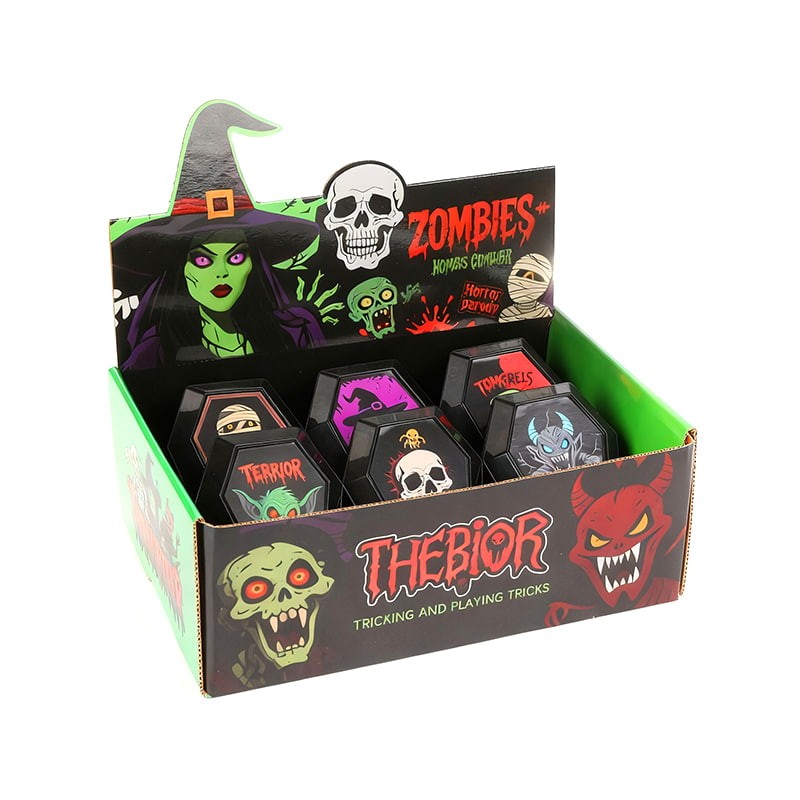
Kids’ Creative DIY Kits
Product Name SLIME Quantity per Box 4X6PCS Item Number SLM-1001 Net Weight ...View More -
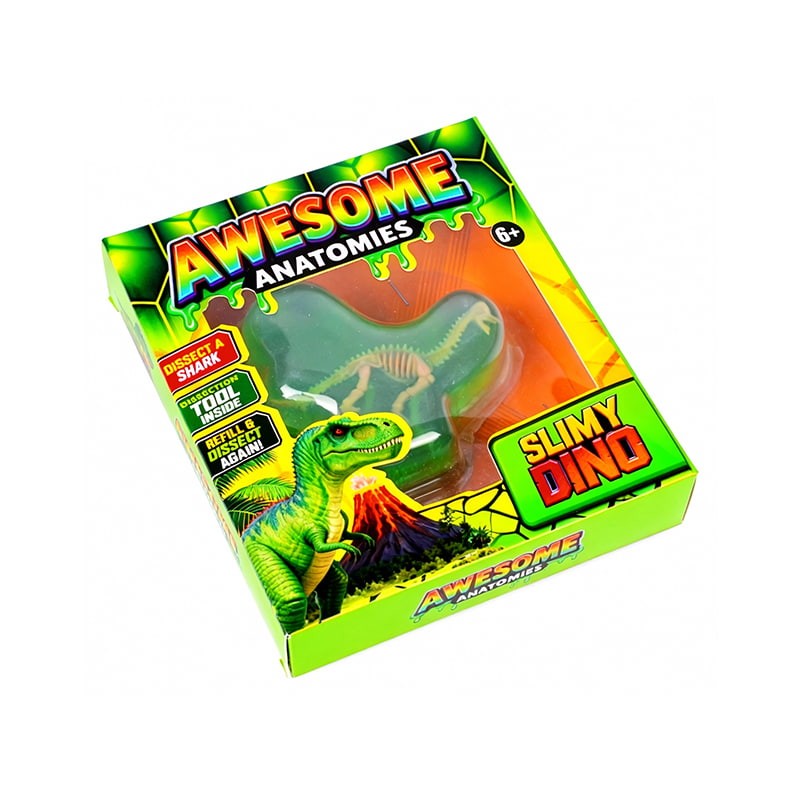
Kids’ Creative DIY Kits
Product Name DINOSAUR JELLY GLUE Quantity per Box 24PCS Item Number DGJ-20004 ...View More -
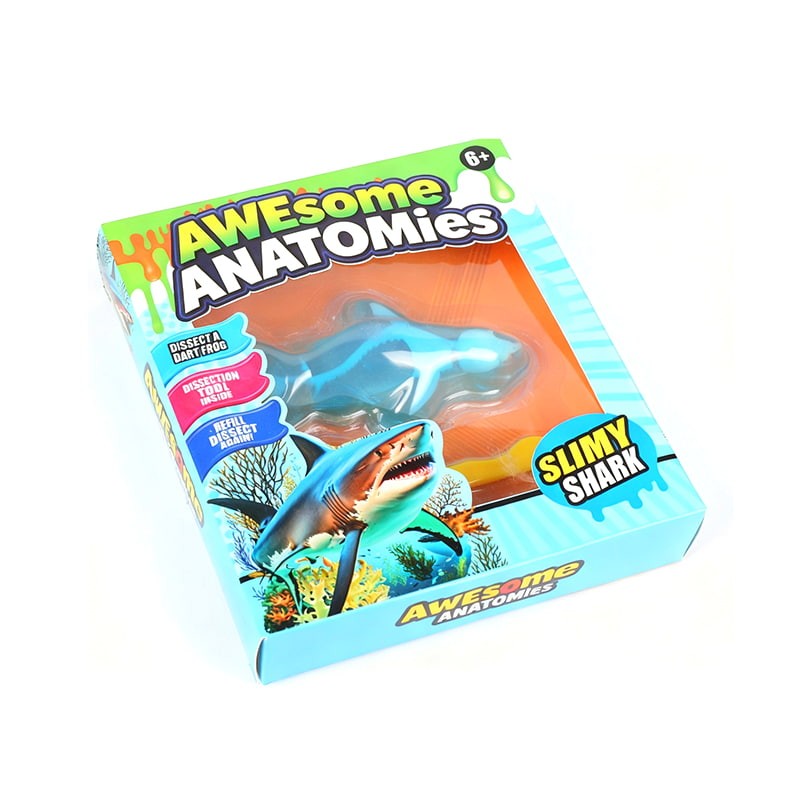
Kids’ Creative DIY Kits
Product Name JELLY GLUE Quantity per Box 48PCS Item Number DGJ-20005 Net We...View More -
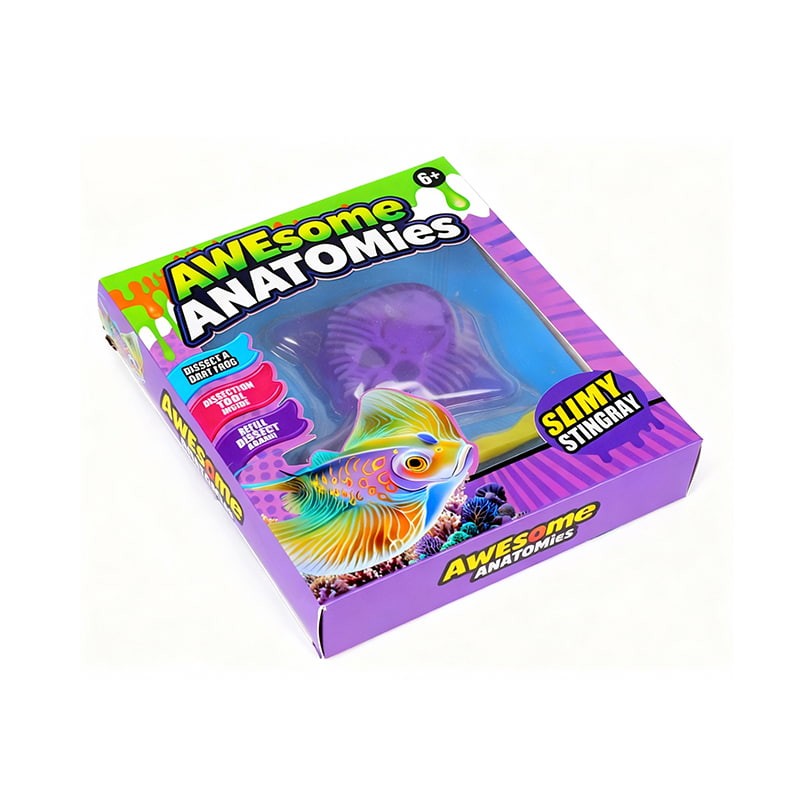
Kids’ Creative DIY Kits
Product Name JELLY GLUE Quantity per Box 48PCS Item Number DGJ-20006 Net We...View More -
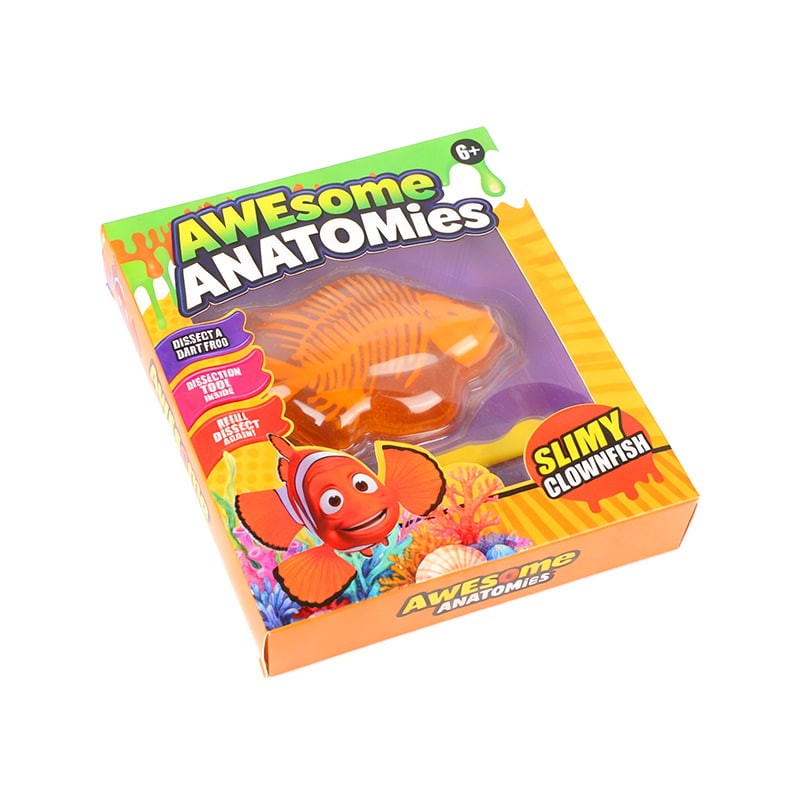
Kids’ Creative DIY Kits
Product Name JELLY GLUE Quantity per Box 48PCS Item Number DGJ-20007 Net We...View More -
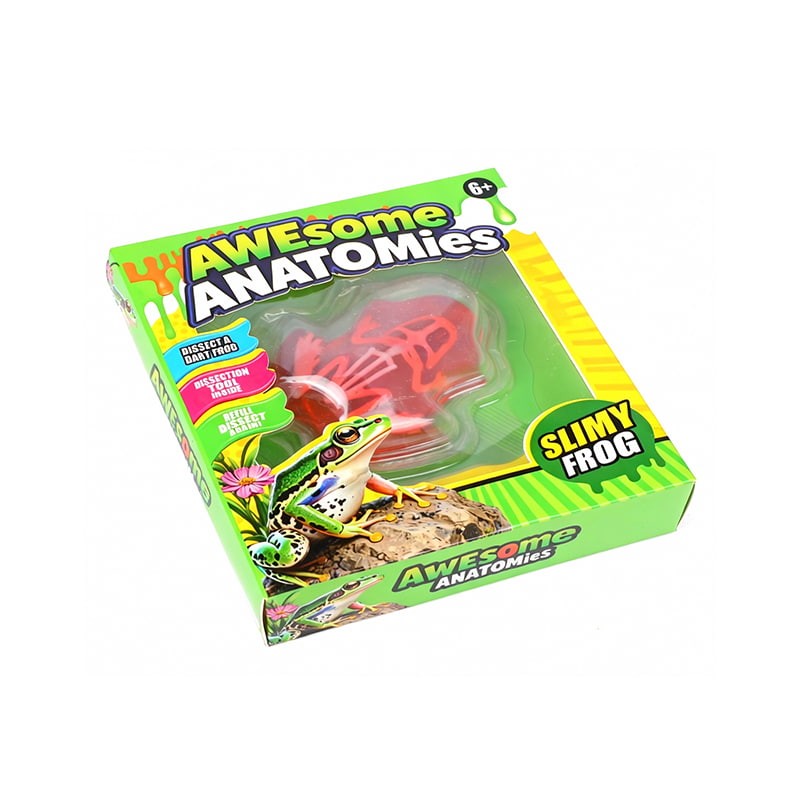
Kids’ Creative DIY Kits
Product Name JELLY GLUE Quantity per Box 48PCS Item Number DGJ-20008 Net We...View More -
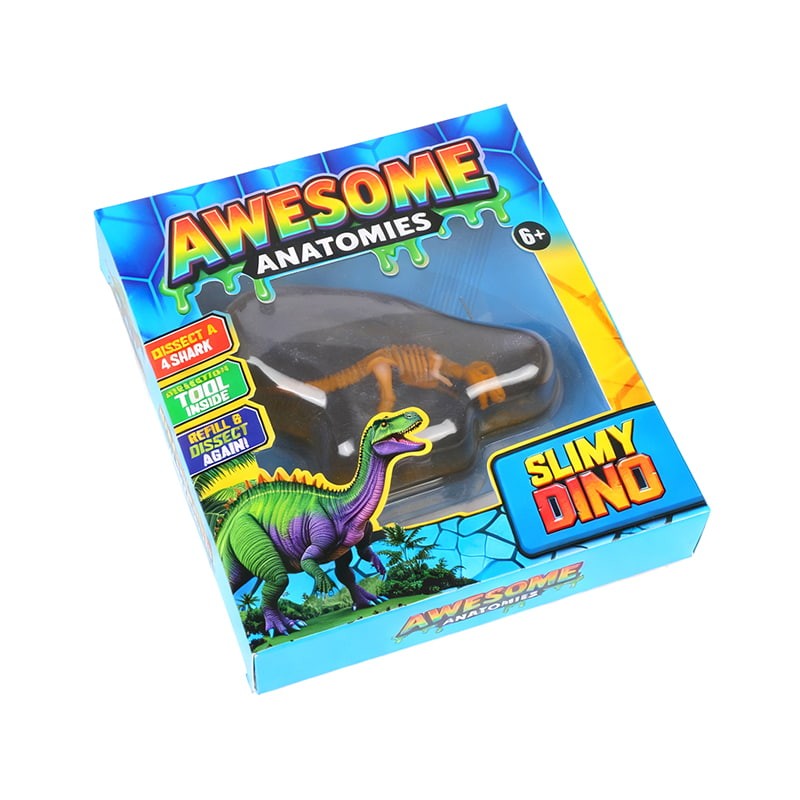
Kids’ Creative DIY Kits
Product Name DINOSAUR JELLY GLUE Quantity per Box 48PCS Item Number DGJ-20001 ...View More


- Product Category
- Kids’ Creative DIY Kits
- Modelling Dough Kit
- Squirmy Worms Sensory Toy
- Kinetic Sand
- Slime
- Snow Foam Clay
- Color Modeling Clay
- All Categories
- Contact Us
-
-
No. 1399, Jinguang Avenue, Fucheng Town, Jindong District, Jinhua City, Yiwu City, China

-
[email protected]

[email protected] -
+86-579-85172625

-