English
  русский
  Español
Industry News
Why Are Buyers Demanding More Consistent Sensory Play Materials in Global Toy Supply Chains?
Content
- 1 Why Consistency Matters in Large-Scale Sensory Product Supply
- 2 Safety Compliance Has Become a Global Purchasing Requirement
- 3 Texture Engineering Is Driving Product Differentiation
- 4 Packaging Stability and Logistics Performance
- 5 OEM Customization for Educational and Retail Brands
- 6 From Material Production to Educational Value Creation
The global toy and educational product market has been shifting toward safer, cleaner, and more sensory-focused materials, especially in early childhood development products. In this context, the Kinetic Sand Factory supply chain has gained significant attention from importers, brand owners, and educational product developers who are actively searching for non-toxic sensory sand manufacturing, dust-free kinetic sand bulk supply, and OEM sensory play material production. Recent social media trends around Montessori learning, sensory therapy tools, and at-home educational kits have further increased demand for materials that offer consistent texture, safe formulation, and stable performance across large production batches. As a manufacturer, we see buyers prioritizing material safety documentation, particle consistency, and scalability for global distribution.
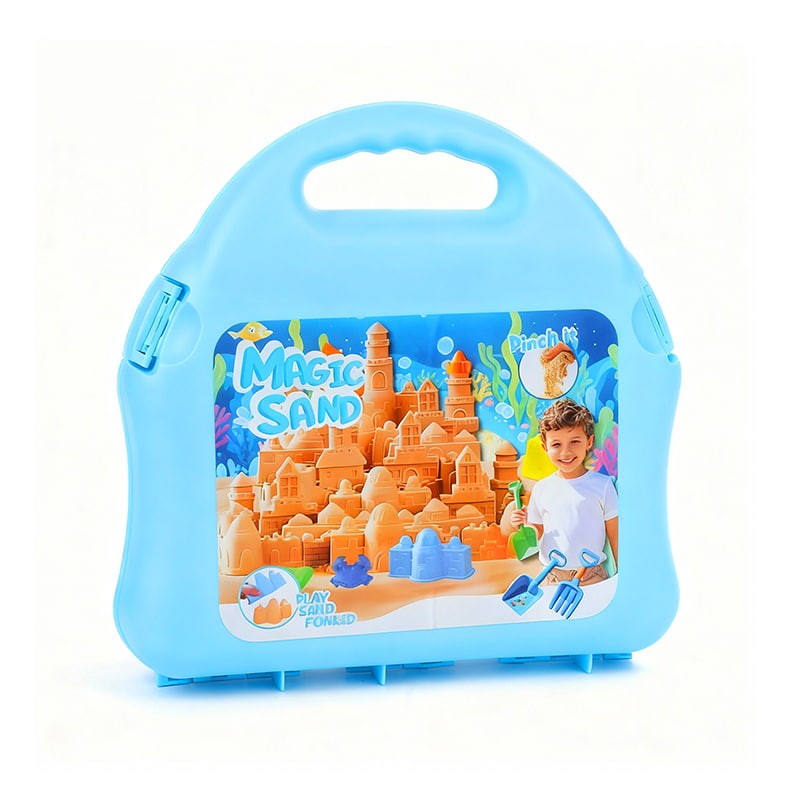
Why Consistency Matters in Large-Scale Sensory Product Supply
One of the most important concerns for buyers is batch-to-batch consistency. In sensory play products, even small variations in texture or flow behavior can affect user experience and brand reputation. Procurement teams are increasingly asking for detailed production control methods rather than general product descriptions.
Key evaluation points include:
- Particle size uniformity for smooth flow behavior
- Binder distribution consistency across batches
- Moisture stability during storage and transport
- Color matching accuracy for branded product lines
Manufacturers are expected to maintain strict process control to ensure that every shipment performs identically in end-user applications.
Safety Compliance Has Become a Global Purchasing Requirement
International buyers are no longer satisfied with basic safety claims. Regulatory compliance now plays a central role in procurement decisions, especially for children’s products sold in Europe and North America.
Common buyer search terms include ASTM compliant sensory sand, EN71 certified kinetic sand, and non-toxic modeling sand supplier. These reflect increasing attention to chemical safety, heavy metal limits, and odor control.
As a production facility, compliance documentation typically includes raw material declarations, testing reports, and controlled formulation records to support import approval processes.
Texture Engineering Is Driving Product Differentiation
Recent social media content around sensory play has highlighted how texture influences learning engagement. Educational product designers now request materials that maintain a consistent “flow and hold” balance—soft enough for shaping but stable enough to retain form.
To achieve this, manufacturers adjust:
- Polymer binder ratios for elasticity control
- Granule coating techniques for smooth tactile response
- Humidity-resistant formulation for different climates
- Compression behavior under repeated handling
This level of control helps brands differentiate their sensory products in a highly competitive retail environment.
Packaging Stability and Logistics Performance
For international distribution, product performance during transportation is just as important as in-use quality. Buyers are increasingly focused on packaging that prevents clumping, moisture absorption, or deformation during long-distance shipping.
Typical requirements include:
- Vacuum-sealed or moisture-barrier packaging
- Temperature-resistant storage stability
- Stackable carton design for warehouse efficiency
- Clear labeling for retail compliance and traceability
These factors directly affect product shelf life and end-user satisfaction in different climate regions.
OEM Customization for Educational and Retail Brands
Global distributors and private label brands often require customized formulations and packaging to match their product positioning. This has increased demand for flexible OEM production capabilities.
Manufacturers are frequently asked to provide:
- Custom color development for themed product lines
- Branded packaging design support
- Multi-size packaging options for retail and bulk supply
- Educational kit integration with molds and tools
- Regional compliance labeling for different markets
This flexibility allows brands to expand into multiple retail channels without redesigning core materials.
From Material Production to Educational Value Creation
The role of suppliers has evolved beyond simple material manufacturing. Buyers now expect technical input on product design, sensory experience optimization, and educational application scenarios. This shift reflects the growing connection between early learning development and tactile play materials.
As a manufacturer, we support customers by aligning production parameters with real usage conditions, ensuring that materials remain stable, safe, and engaging across different educational environments.
As global demand for sensory learning products continues to expand, the importance of a reliable Kinetic Sand Factory partner becomes increasingly clear, especially for brands seeking consistent quality, regulatory compliance, and scalable OEM production for international markets.
NEXT:How Is Eco-Friendly Material Engineering Transforming the Future of Creative Sensory Products?
-
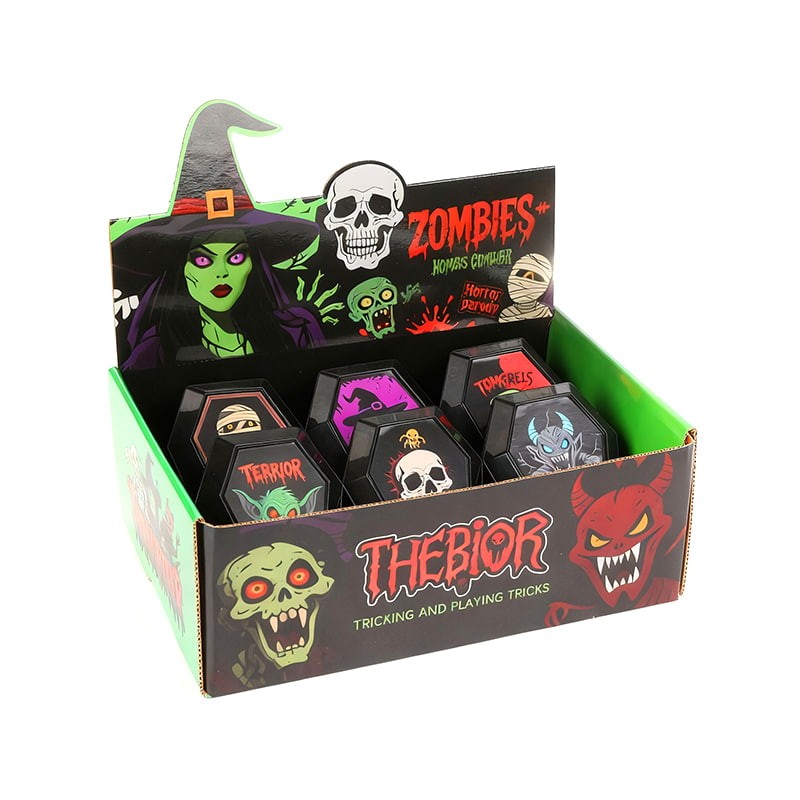
Kids’ Creative DIY Kits
Product Name SLIME Quantity per Box 4X6PCS Item Number SLM-1001 Net Weight ...View More -
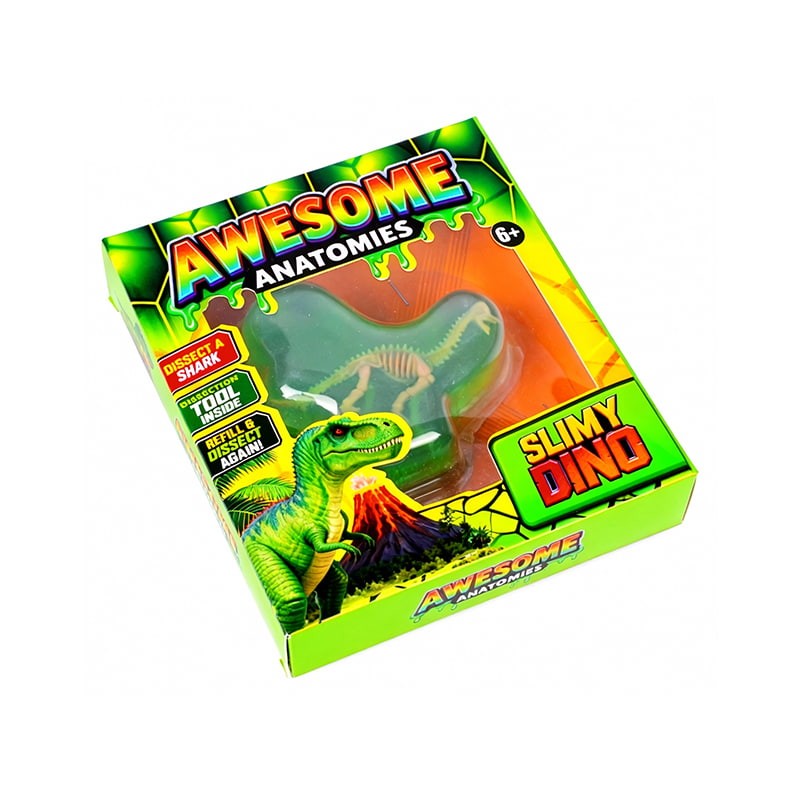
Kids’ Creative DIY Kits
Product Name DINOSAUR JELLY GLUE Quantity per Box 24PCS Item Number DGJ-20004 ...View More -
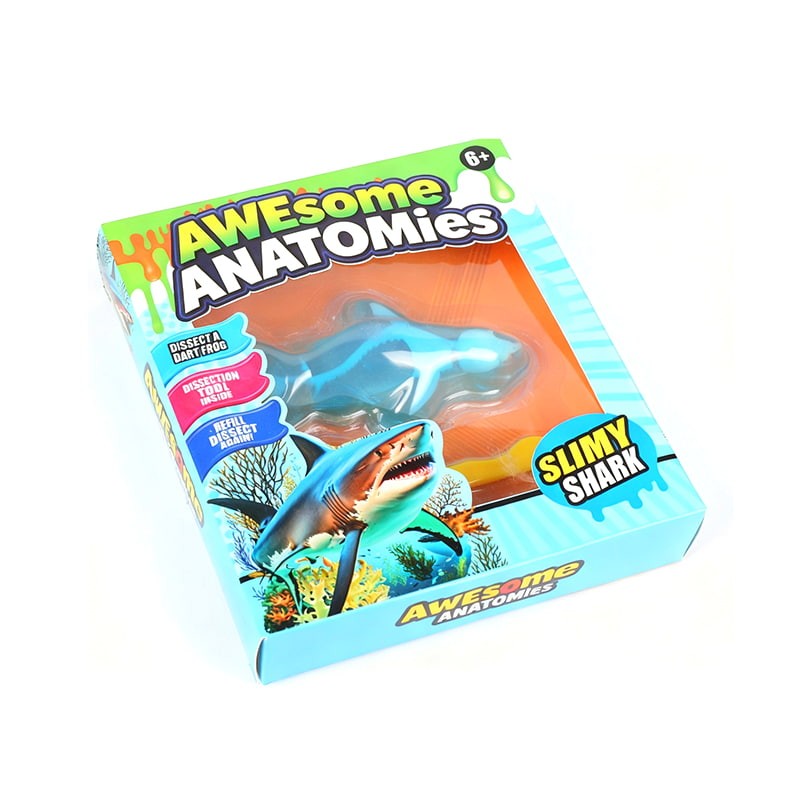
Kids’ Creative DIY Kits
Product Name JELLY GLUE Quantity per Box 48PCS Item Number DGJ-20005 Net We...View More -
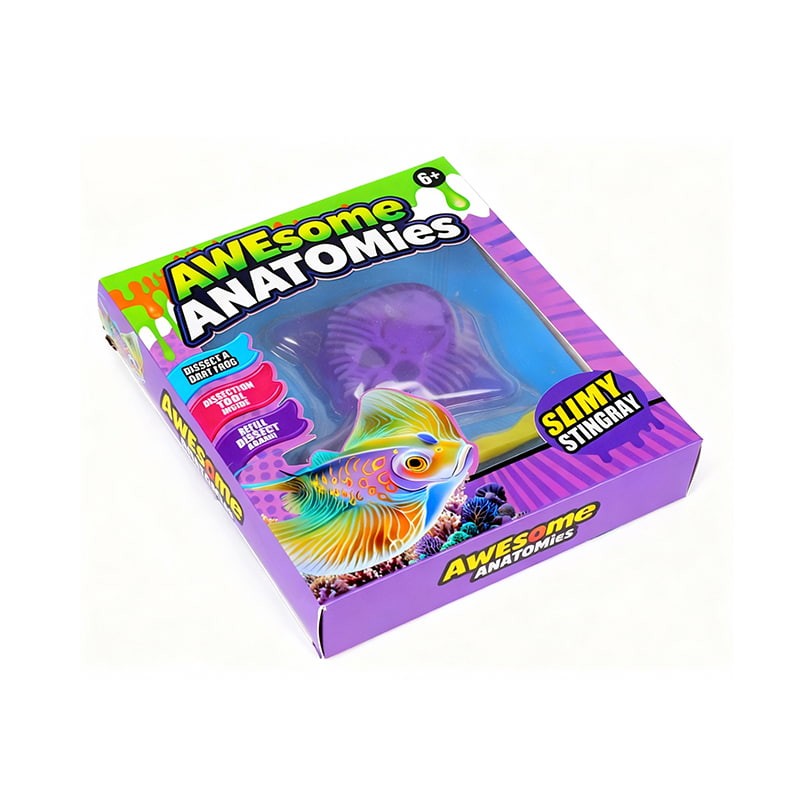
Kids’ Creative DIY Kits
Product Name JELLY GLUE Quantity per Box 48PCS Item Number DGJ-20006 Net We...View More -
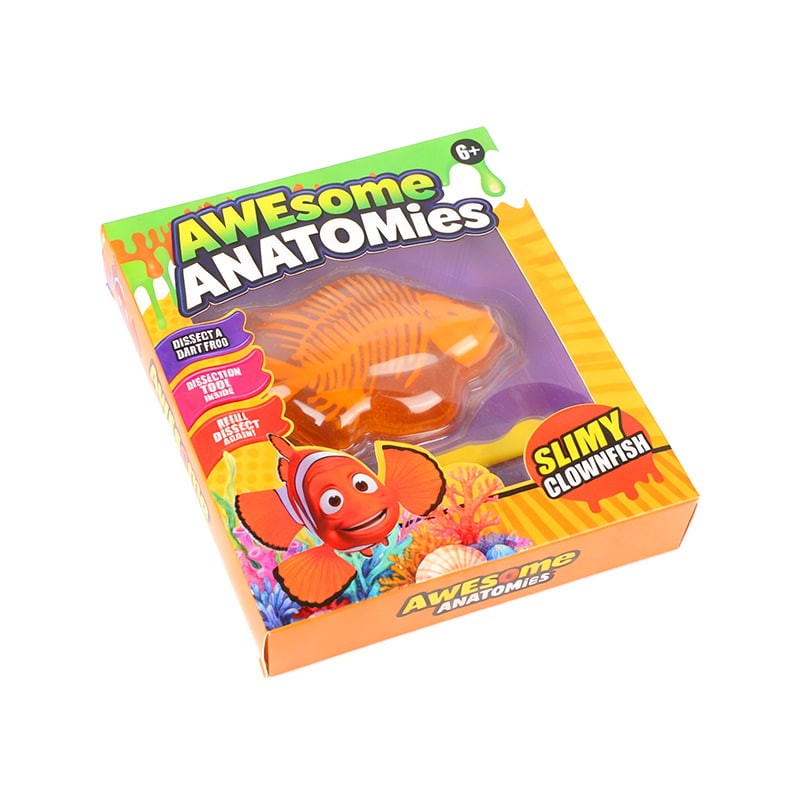
Kids’ Creative DIY Kits
Product Name JELLY GLUE Quantity per Box 48PCS Item Number DGJ-20007 Net We...View More -
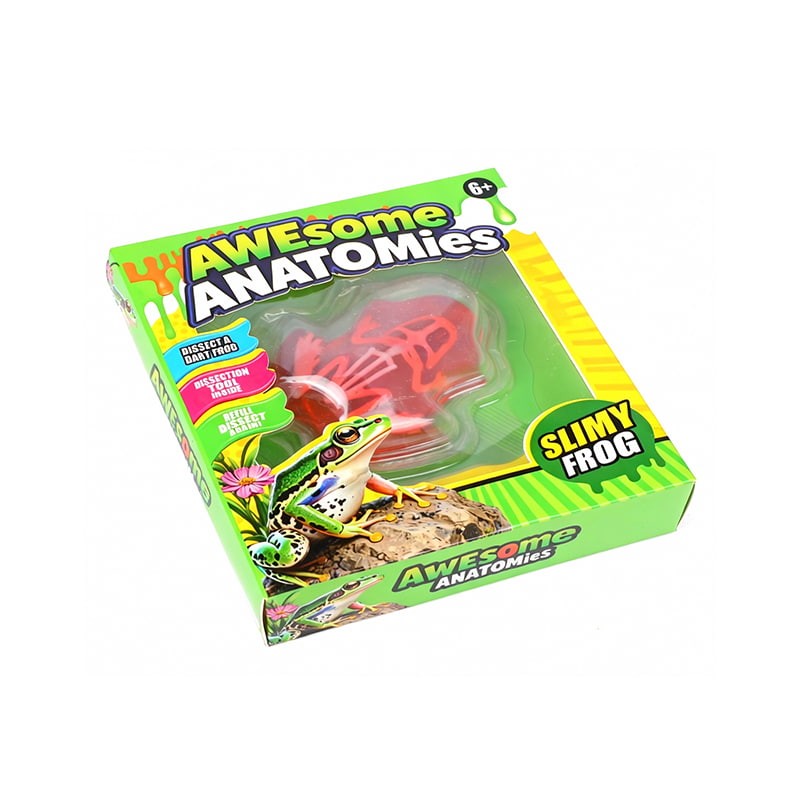
Kids’ Creative DIY Kits
Product Name JELLY GLUE Quantity per Box 48PCS Item Number DGJ-20008 Net We...View More -
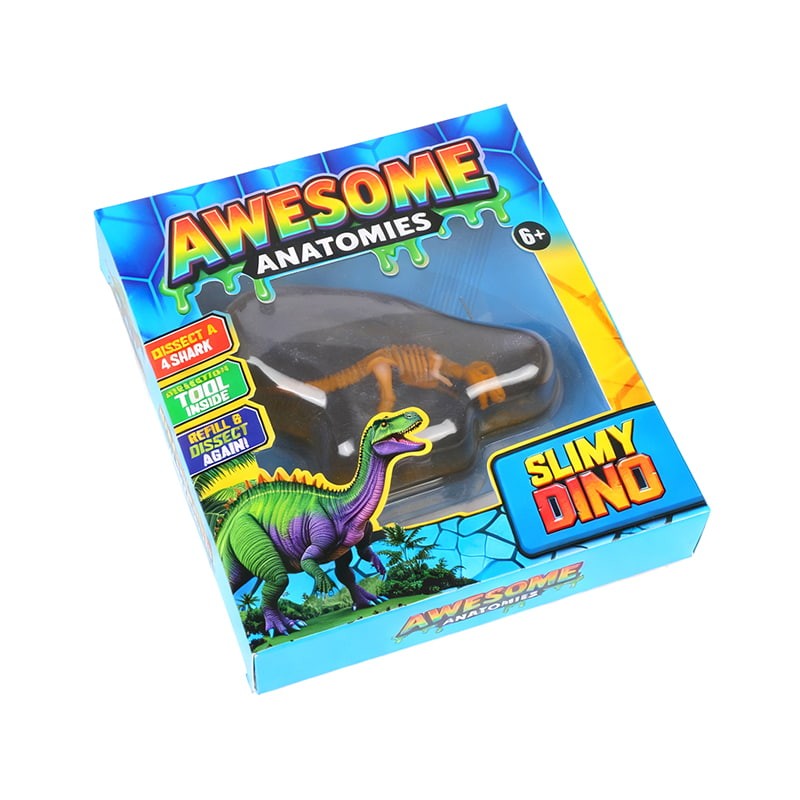
Kids’ Creative DIY Kits
Product Name DINOSAUR JELLY GLUE Quantity per Box 48PCS Item Number DGJ-20001 ...View More

- Product Category
- Kids’ Creative DIY Kits
- Modelling Dough Kit
- Squirmy Worms Sensory Toy
- Kinetic Sand
- Slime
- Snow Foam Clay
- Color Modeling Clay
- All Categories
- Contact Us
-
-
No. 1399, Jinguang Avenue, Fucheng Town, Jindong District, Jinhua City, Yiwu City, China

-
[email protected]

[email protected] -
+86-579-85172625

-