English
  русский
  Español
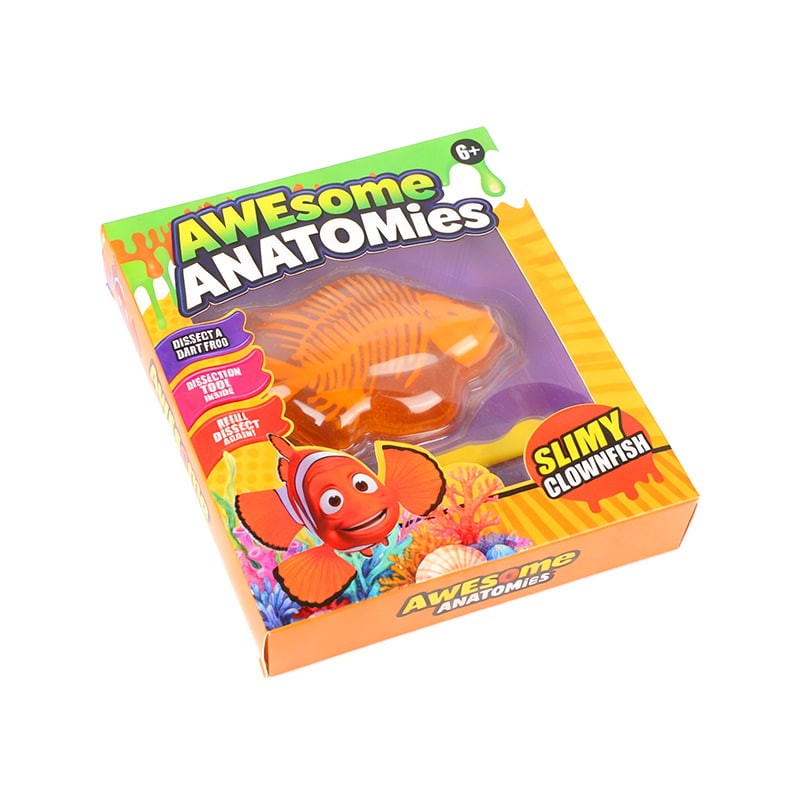
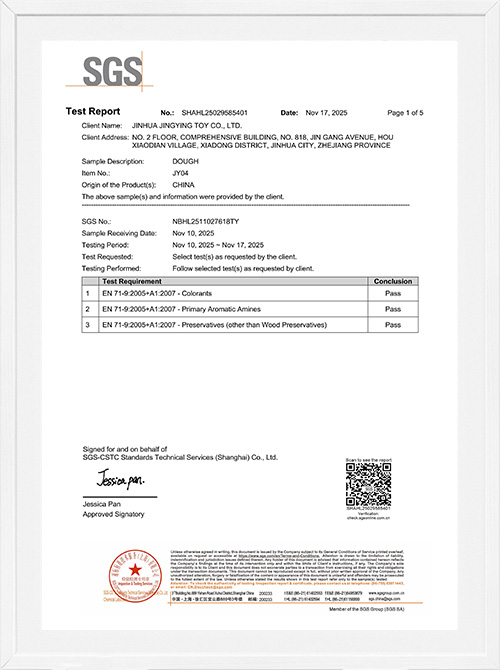
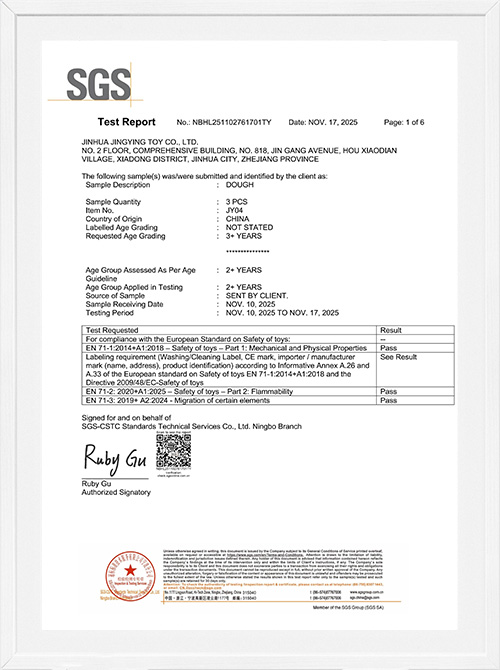
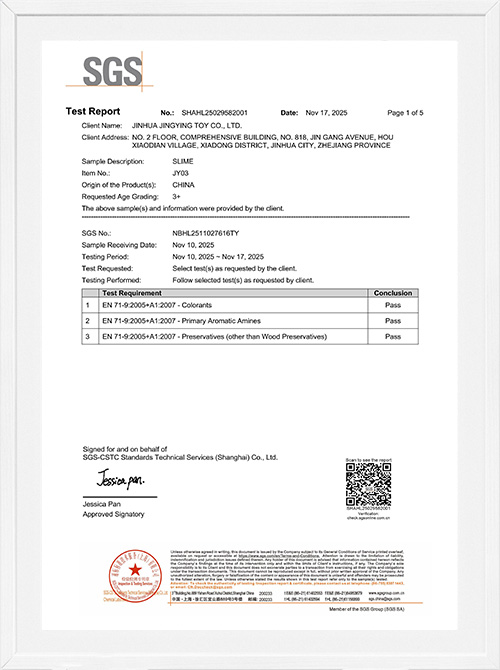
The global sensory toy market is becoming increasingly competitive, and toy brands are looking for more than attractive product designs. Buyers are no...
Read More
DIY Snow Powder Supplier
-
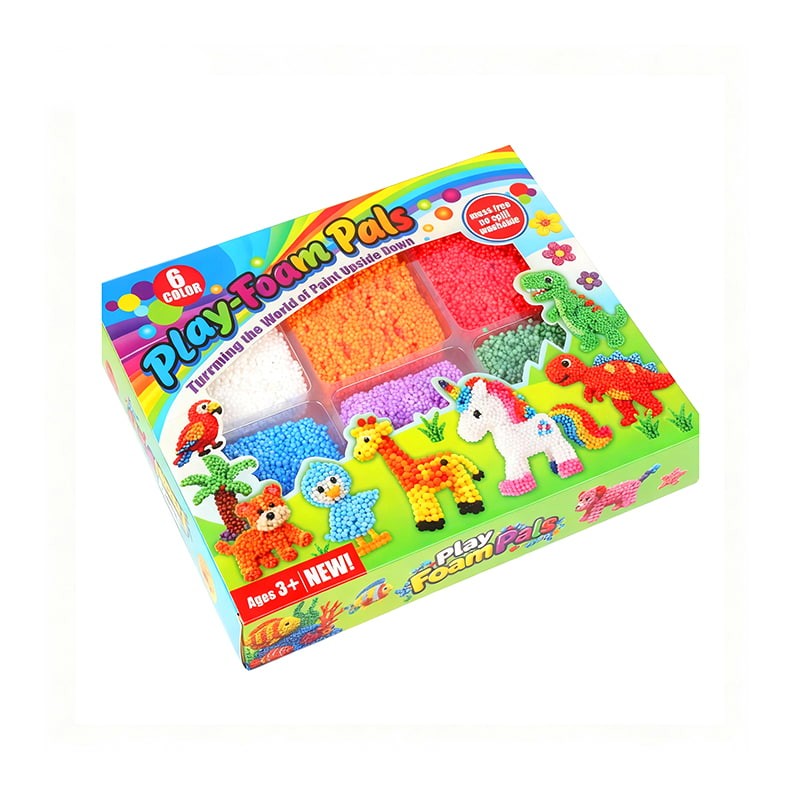
Snow Foam Clay
Product Name FOAM Quantity per Box 24PCS Item Number Y-XHN-801 Net Weight ...View More
Snow Foam Clay is a soft, lightweight, and highly moldable DIY craft material specially designed for children’s creative play, educational learning, and sensory activities. It features a delicate snow-like texture with elastic foam particles, which provides a pleasant tactile experience while maintaining excellent shaping ability. Kids can stretch it, squeeze it, shape it, and combine it with accessories or molds to create various craft projects without mess or residue.
This material is widely used in children’s handcraft education, school art classes, DIY workshops, sensory training activities, and creative gift sets. It supports imagination development, fine motor skills improvement, sensory perception training, and parent-child interaction. Compared with traditional clay, Snow Foam Clay is lighter, cleaner, easier to handle, and less likely to crack after drying.
As a professional manufacturer, we strictly select safe and eco-friendly raw materials that comply with international standards such as EN71, ASTM, and CPSIA. Our production process focuses on consistency, color richness, softness balance, and long-lasting elasticity to ensure every batch delivers stable quality. Multiple textures, colors, packaging options, and theme kits can be customized according to customer needs, OEM and ODM services are available.
We offer strong supply capability, competitive pricing, fast delivery, professional R&D support, and one-stop service from formula development to packaging design. With years of industry experience, we aim to provide fun, safe, and creative Snow Foam Clay solutions for global educational toy brands, supermarkets, gift distributors, and craft product dealers.
Company Profile

JinHua JingYing Toys Co., Ltd.
Jingying Toys is a modern children's toy manufacturer that integrates research and development (R&D), production, and sales. As a China Snow Foam Clay supplier and Snow Foam Clay factory, we are mainly engaged in wholesale Snow Foam Clay and specialize in the production and sale of ultra-light clay products, including crystal mud, modeling clay, rubber mud, dashan clay, creative toy beans, clay, snowflake mud, sand, and sand-based adhesive. Since our establishment in 2005, we have consistently adhered to the business philosophy of "Quality as the Foundation, Innovation-Driven, Customer-First."
We now possess over 20,000 square meters of modern standard factory space, equipped with advanced automated production lines and precision testing equipment. Our workforce comprises approximately 300 employees, including over 20 experienced management personnel and a dedicated 20-member technical R&D team focused on product improvement and new product development.
Looking ahead, JinHua JingYing Toys Co., Ltd. will continue to uphold our philosophy of innovation-driven leadership and quality excellence. We look forward to establishing stable, mutually beneficial, and long-term collaborative relationships with more partners, working together to create a brighter future for the children's creative toy industry.
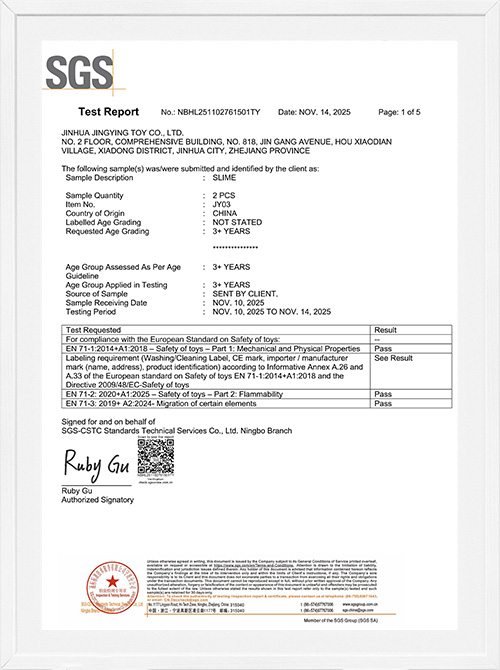
Certificate of Honor
Latest News
-
-
In recent years, sensory play products have gained increasing attention among parents, educators, and toy brands worldwide. With the popularity of cre...
Read More -
The global toy and educational product market has been shifting toward safer, cleaner, and more sensory-focused materials, especially in early childho...
Read More -
The global creative materials market is evolving rapidly as consumer demand shifts toward safer, more sustainable, and more engaging tactile products....
Read More
Contact Us Now
Snow Foam Clay Industry knowledge
What Is DIY Snow Powder and How Is It Used?
DIY Snow Powder is a synthetic material that mimics the texture and appearance of real snow. Unlike real snow, DIY Snow Powder is a powdery substance that can be easily manipulated into a soft, fluffy texture by adding water. When hydrated, the powder forms a snow-like consistency that can be shaped and molded just like snow, making it a perfect material for sensory play and creative activities.
The appeal of DIY Snow Powder lies in its tactile properties. Upon hydration, the powder expands and creates a fluffy, snow-like texture that feels cold and soft to the touch, providing a soothing, sensory experience. This texture is ideal for children who enjoy engaging in tactile play or need a calming activity to help reduce stress and anxiety.
DIY Snow Powder can be used in a variety of ways. Children can use it to create snow scenes, sculptures, or simply enjoy the sensation of manipulating the powder with their hands. Additionally, it is often used as a sensory tool in classrooms or therapy environments to help children with sensory processing issues. It can also be mixed with other materials, such as glitter or food coloring, to enhance the sensory experience further.
This material is often used in educational settings to teach children about the properties of snow and water, allowing them to explore concepts like freezing, melting, and texture changes. By experimenting with different amounts of water, children can observe how the snow powder reacts and adjust it to achieve different consistencies. This interactive aspect makes DIY Snow Powder a valuable tool for both fun and learning.
How Does Snow Foam Clay Create Engaging Textures?
Snow Foam Clay is a lightweight, foamy substance that combines the softness of foam with the texture of clay. It has a smooth, spongy feel that is not sticky or heavy, making it easy to manipulate and mold into various shapes. This material is popular for crafting and artistic projects, as it offers a unique texture that is both fun to work with and visually appealing.
The key feature of Snow Foam Clay is its airy, soft consistency, which gives it the appearance of snow while still being malleable like clay. It can be molded into figures, used for creating sculptures, or incorporated into artistic designs like textured wall hangings and mixed-media art projects. The foam aspect adds a light, bouncy element to the clay, which makes it less dense and easier to work with than traditional modeling clays.
Snow Foam Clay is also often used for sensory play. Its lightweight, airy texture provides a satisfying tactile experience that can help children with focus and relaxation. The foam-like nature of the material makes it particularly appealing for activities that involve squeezing, rolling, or pressing, offering a satisfying feeling when worked with.
In addition to its use in crafting, Snow Foam Clay can be incorporated into educational activities. It allows children to create representations of snowflakes, ice, and other winter-related objects, helping them connect with nature in a hands-on way. The material's ability to retain its shape for long periods also makes it a good option for children to revisit their creations and improve upon them over time.
What Makes DIY Soft Clay Perfect for Creative Play?
DIY Soft Clay is a malleable, smooth material that offers endless possibilities for hands-on creative play. Unlike traditional clay, DIY Soft Clay is designed to be softer and more pliable, making it easier for children and beginners to work with. The soft, smooth texture makes it ideal for sculpting, molding, and even creating intricate designs or shapes with minimal effort.
The beauty of DIY Soft Clay lies in its versatility. It can be used for a wide range of activities, from simple molding projects to more complex sculpting tasks. The clay can be easily shaped into animals, people, or abstract designs, allowing for full creative expression. It is often used in art classes and DIY projects, as it doesn't require special tools or advanced techniques to manipulate.
In addition to being used for artistic endeavors, DIY Soft Clay also provides educational benefits. Children can learn about form, structure, and symmetry as they manipulate the material into different shapes. The soft texture also makes it easier to add details and texture to their creations, enhancing fine motor skills and hand-eye coordination.
DIY Soft Clay can be mixed with other materials, such as glitter, beads, or paint, to further enhance its visual appeal. It is also available in a variety of colors, allowing for even more creative freedom. Whether it's for art projects, sensory play, or DIY crafts, this soft clay is a versatile and enjoyable material for users of all ages.

CHOOSE US, AND YOU WILL ACHIEVE SUCCESS.
- Product Category
- Kids’ Creative DIY Kits
- Modelling Dough Kit
- Squirmy Worms Sensory Toy
- Kinetic Sand
- Slime
- Snow Foam Clay
- Color Modeling Clay
- All Categories
- Contact Us
-
-
No. 1399, Jinguang Avenue, Fucheng Town, Jindong District, Jinhua City, Yiwu City, China

-
[email protected]

[email protected] -
+86-579-85172625

-