English
  русский
  Español
Industry News
Why Are High-Performance Elastic Materials Becoming the New Focus in Sensory and Creative Product Manufacturing?
Content
- 1 Why Is Demand for Sensory Play Materials Increasing Worldwide?
- 2 How Is Material Elasticity Affecting Product Experience?
- 3 Why Is Non-Toxic Formulation a Key Purchasing Requirement?
- 4 How Is Educational Product Design Expanding Market Use?
- 5 Why Is Manufacturing Consistency Important for Global Brands?
- 6 Manufacturer Insight: What Are Buyers Prioritizing Today?
- 7 Is Sensory Material Innovation Becoming a Long-Term Consumer Trend?
The global market for sensory toys, creative modeling materials, and stress-relief products is expanding rapidly as consumers increasingly prioritize mental wellness, interactive learning, and hands-on creativity. From educational institutions to office desk accessories and retail toy brands, buyers are searching for safer, more durable, and more engaging tactile materials. In this evolving landscape, Decompression Mud has become a frequently searched material category, especially among distributors and OEM brands looking for stable texture performance and scalable production solutions.
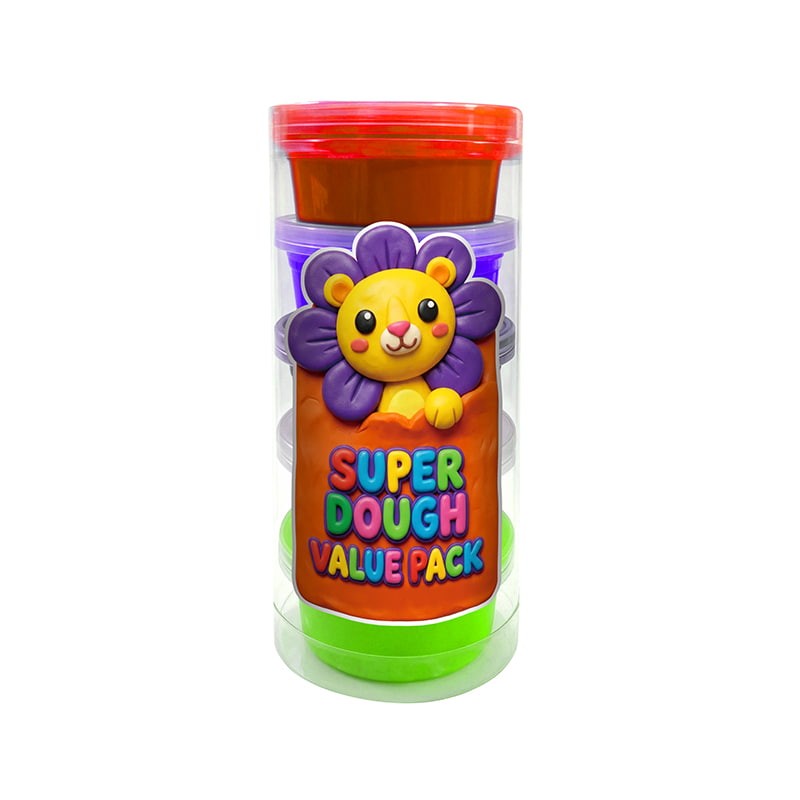
Recent market queries show strong attention to elasticity stability, non-toxic formulation, and long-term usability under repeated handling conditions.
Why Is Demand for Sensory Play Materials Increasing Worldwide?
Growing awareness of stress management and cognitive development has significantly expanded the use of sensory-based products across different age groups. These materials are no longer limited to toys but are now widely used in wellness and educational environments.
Key demand drivers include:
- Increased focus on mental wellness and relaxation tools
- Expansion of sensory learning in early education systems
- Rising popularity of DIY and creative hobby products
- Demand for portable stress-relief materials in workplaces
This diversification is creating consistent global market growth.
How Is Material Elasticity Affecting Product Experience?
In sensory materials, elasticity is one of the most important performance factors because it directly influences user satisfaction and product usability.
Buyers are prioritizing:
- Smooth stretching and rebound performance
- Resistance to tearing under repeated use
- Stable elasticity over long-term storage
- Non-sticky and comfortable hand feel
High-quality elasticity ensures a better sensory experience and longer product lifecycle.
Why Is Non-Toxic Formulation a Key Purchasing Requirement?
With increasing global safety awareness, especially for children’s products, material composition is under stricter evaluation than ever before. Buyers are carefully reviewing ingredient transparency and compliance standards.
Common requirements include:
- Safe, non-toxic raw material selection
- Odor-free and skin-friendly formulation
- Compliance with international toy safety standards
- Reduced chemical sensitivity risks
Safety compliance has become a baseline requirement for global distribution.
How Is Educational Product Design Expanding Market Use?
Creative modeling materials are increasingly used in structured learning environments where hands-on interaction supports cognitive development and creativity.
Typical applications include:
- Early childhood sensory development activities
- Classroom creativity and art projects
- Fine motor skill training exercises
- Parent-child interactive learning tools
This expansion is strengthening demand beyond traditional toy markets.
Why Is Manufacturing Consistency Important for Global Brands?
As product demand scales internationally, consistency in material performance becomes critical for brand reputation and customer retention.
Buyers expect:
- Stable elasticity and texture across batches
- Uniform color and material composition
- Scalable production for bulk orders
- Reliable supply chain continuity
Consistency ensures predictable user experience and reduces product return rates.
Manufacturer Insight: What Are Buyers Prioritizing Today?
As a manufacturer in sensory modeling materials, we see a shift toward performance-based procurement decisions. Buyers are no longer evaluating products based only on appearance but on functional stability and safety assurance.
Typical OEM expectations include:
- Customizable softness and elasticity levels
- Stable batch-to-batch quality control systems
- Certified safe formulation for multiple markets
- Flexible packaging and private label support
This reflects a more mature and professional global sourcing environment.
Is Sensory Material Innovation Becoming a Long-Term Consumer Trend?
As global consumers continue to focus on wellness, creativity, and interactive learning, sensory materials are becoming an established product category rather than a niche segment. Performance, safety, and user experience now define purchasing decisions across multiple industries.
In this environment, partnering with a reliable Ultra-Light Clayr supplier helps brands achieve consistent quality, scalable production, and strong market competitiveness in the growing global sensory materials industry.
NEXT:Why Is Decompression-Based Material Innovation Gaining Attention in Sensory and Educational Product Markets?
-
Kids’ Creative DIY Kits
Product Name SLIME Quantity per Box 4X6PCS Item Number SLM-1001 Net Weight ...View More -
Kids’ Creative DIY Kits
Product Name DINOSAUR JELLY GLUE Quantity per Box 24PCS Item Number DGJ-20004 ...View More -
Kids’ Creative DIY Kits
Product Name JELLY GLUE Quantity per Box 48PCS Item Number DGJ-20005 Net We...View More -
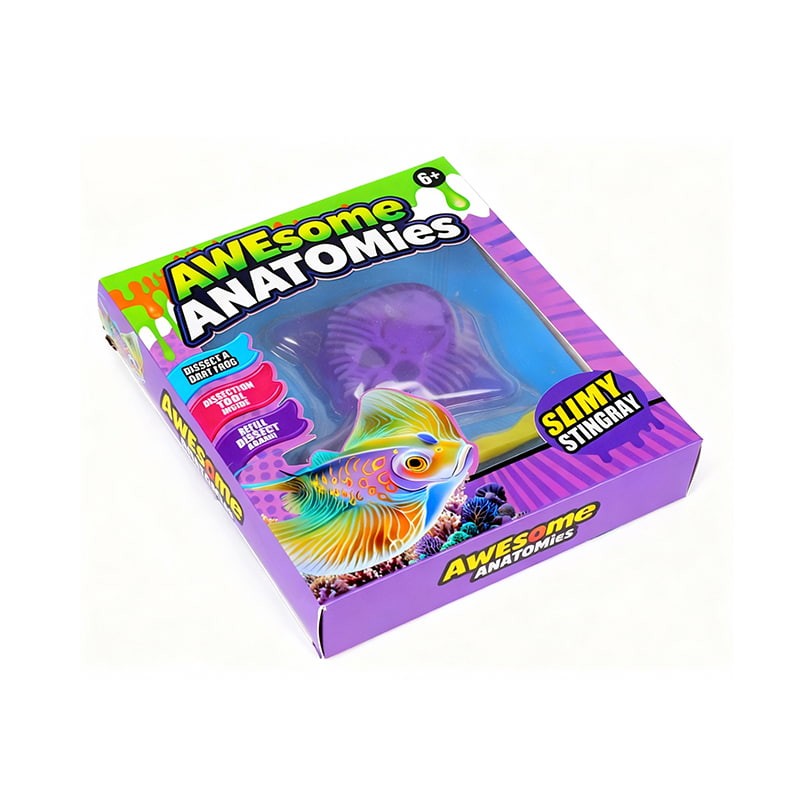
Kids’ Creative DIY Kits
Product Name JELLY GLUE Quantity per Box 48PCS Item Number DGJ-20006 Net We...View More -
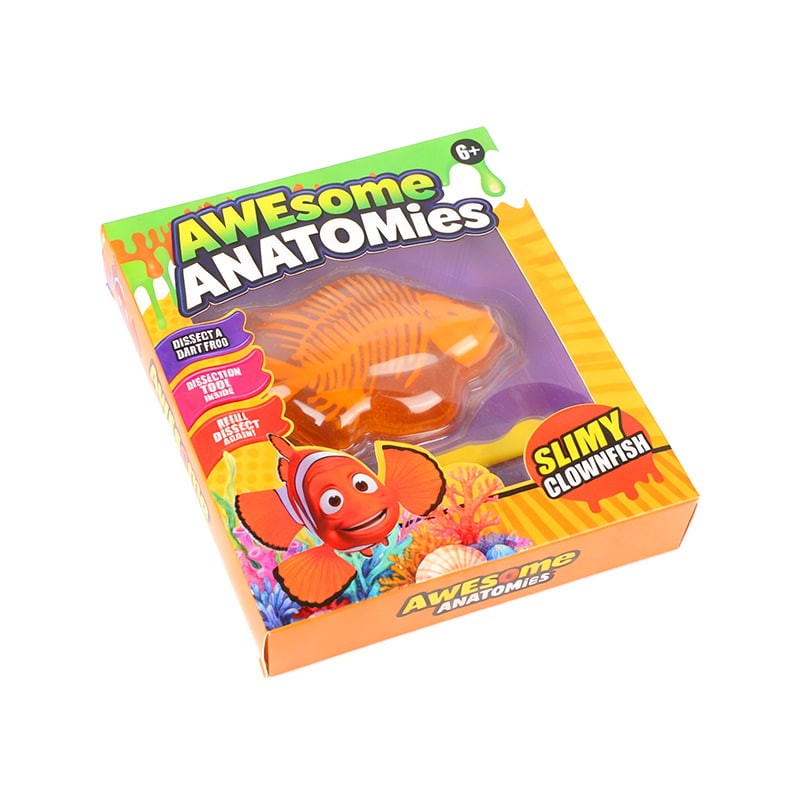
Kids’ Creative DIY Kits
Product Name JELLY GLUE Quantity per Box 48PCS Item Number DGJ-20007 Net We...View More -
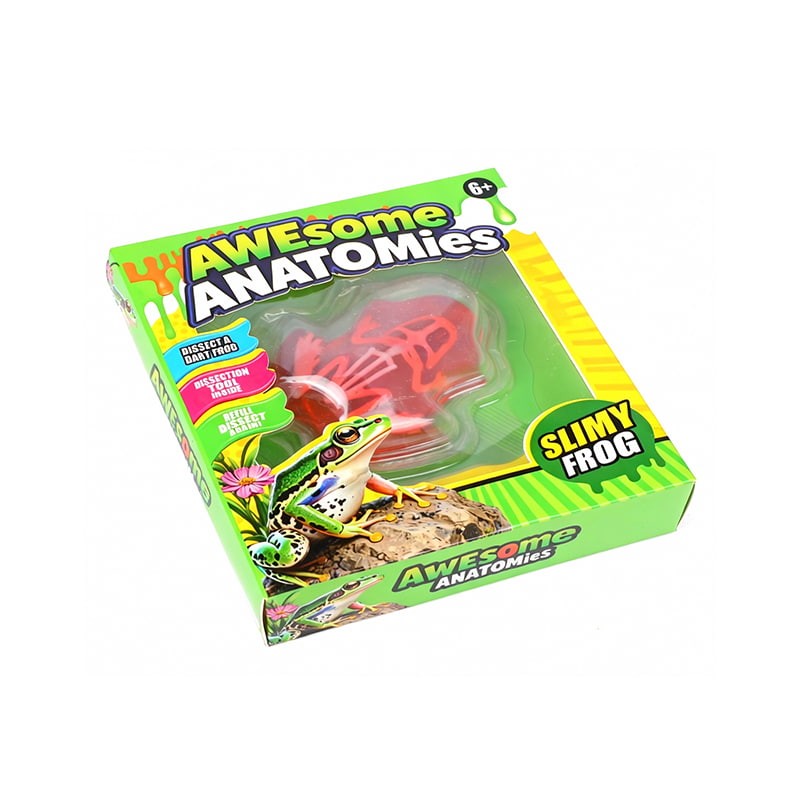
Kids’ Creative DIY Kits
Product Name JELLY GLUE Quantity per Box 48PCS Item Number DGJ-20008 Net We...View More -
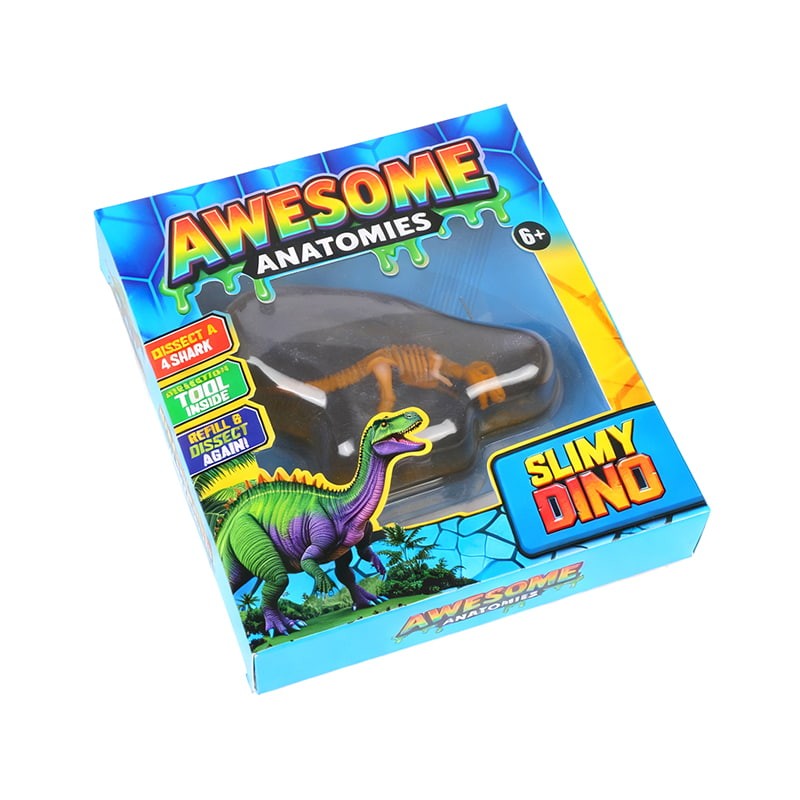
Kids’ Creative DIY Kits
Product Name DINOSAUR JELLY GLUE Quantity per Box 48PCS Item Number DGJ-20001 ...View More


- Product Category
- Kids’ Creative DIY Kits
- Modelling Dough Kit
- Squirmy Worms Sensory Toy
- Kinetic Sand
- Slime
- Snow Foam Clay
- Color Modeling Clay
- All Categories
- Contact Us
-
-
No. 1399, Jinguang Avenue, Fucheng Town, Jindong District, Jinhua City, Yiwu City, China

-
[email protected]

[email protected] -
+86-579-85172625

-