English
  русский
  Español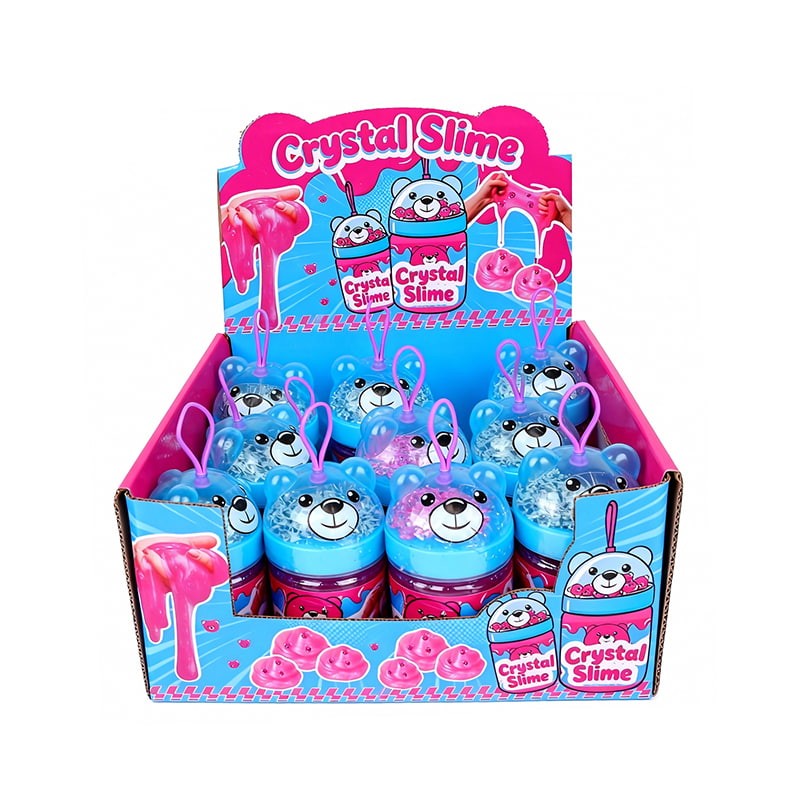
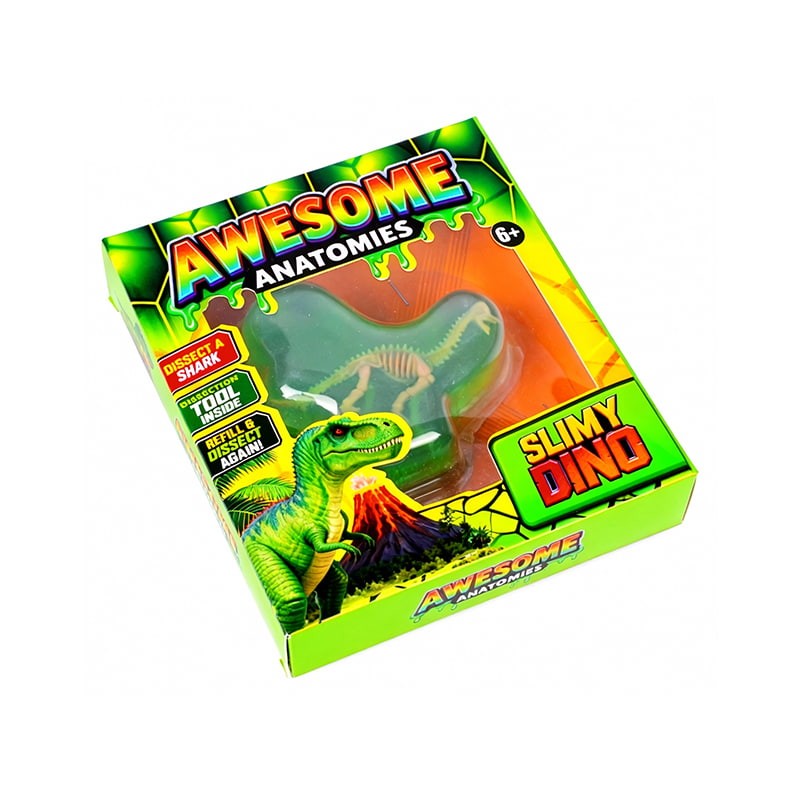
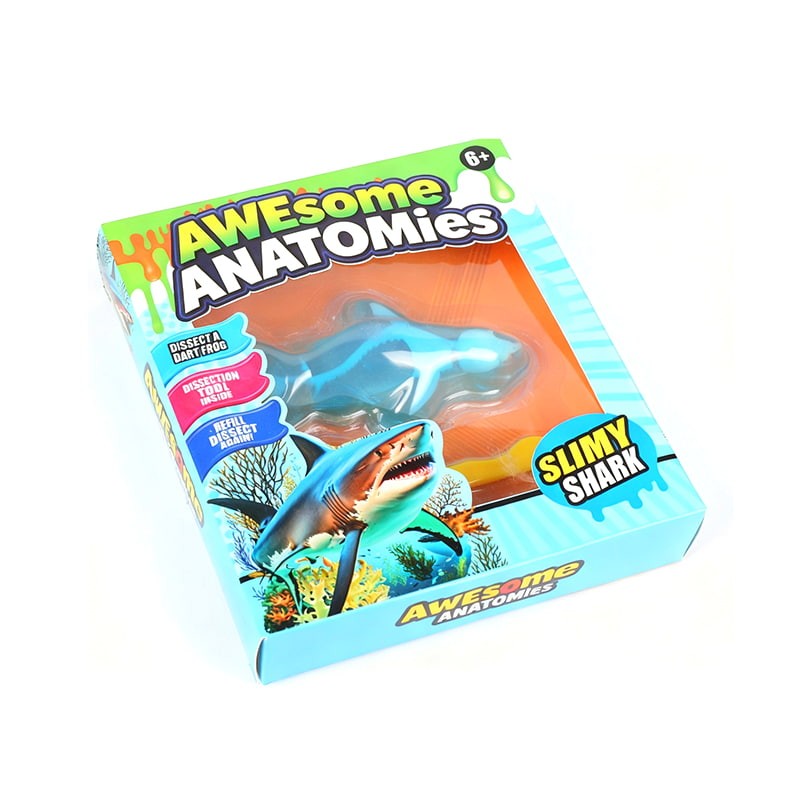
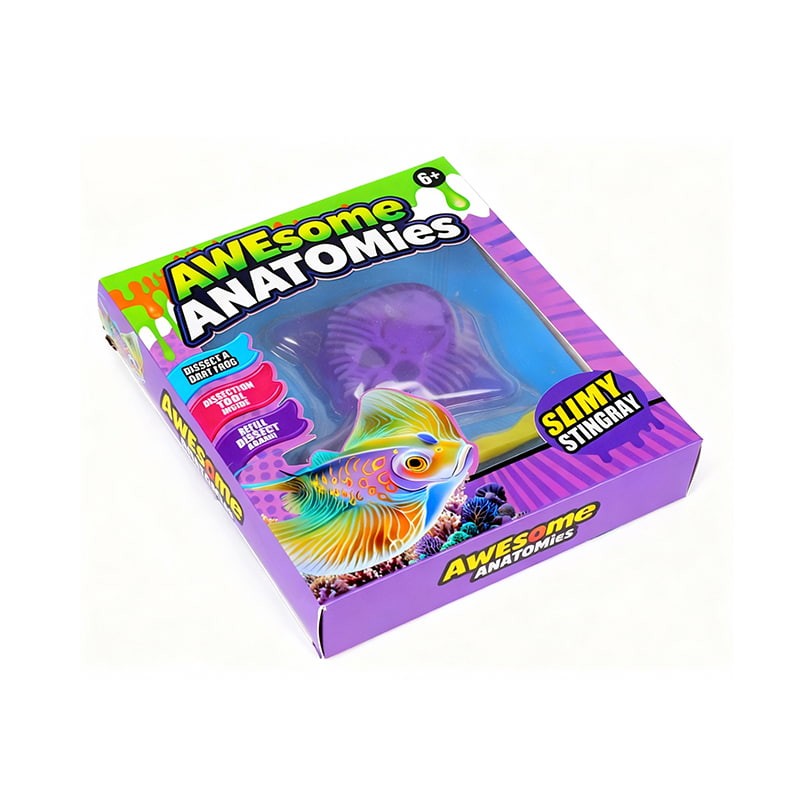
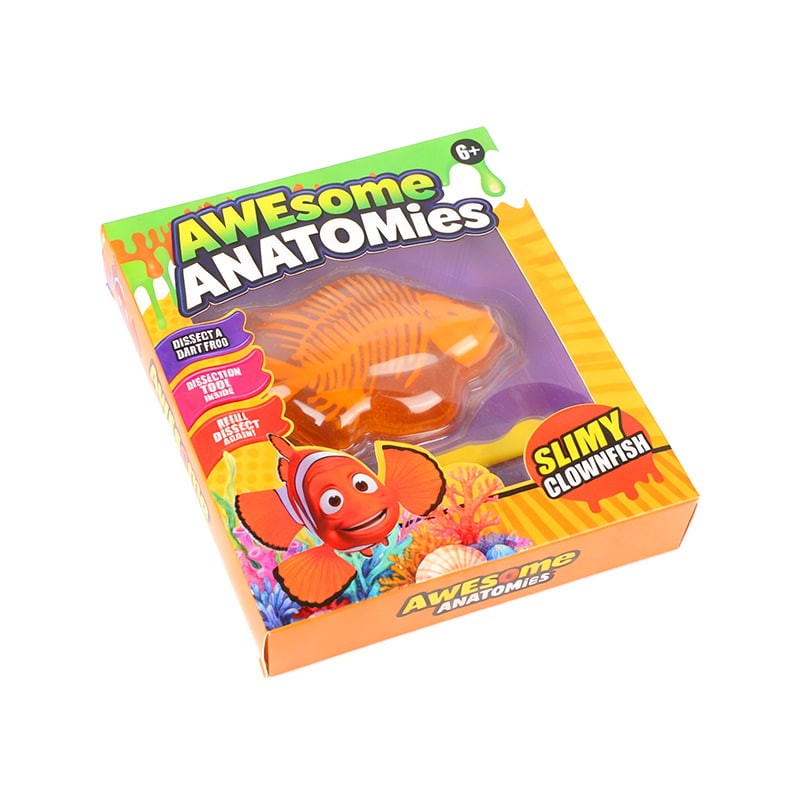
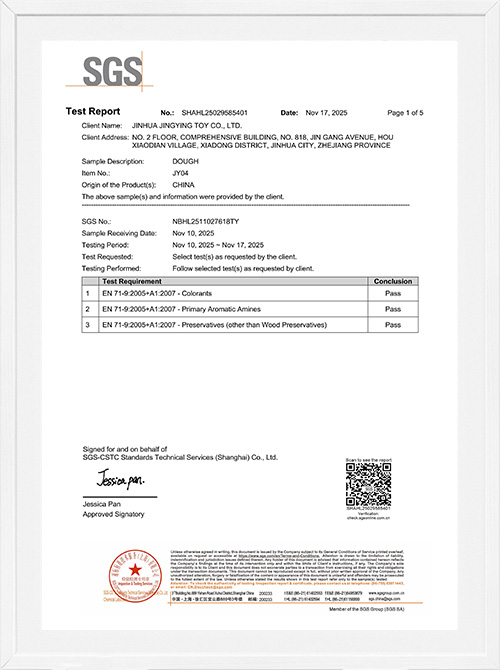
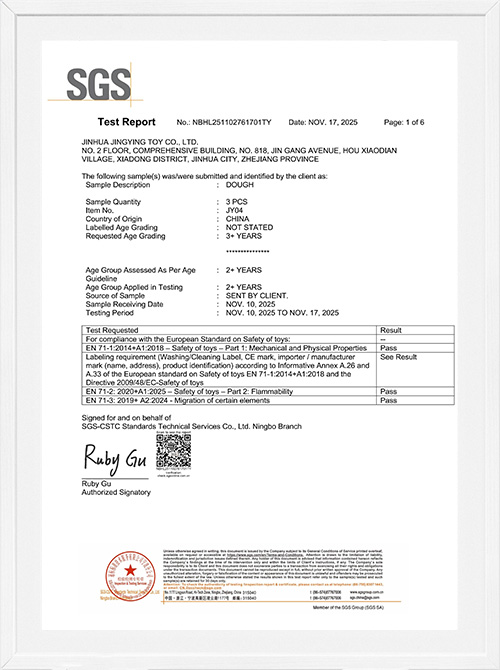
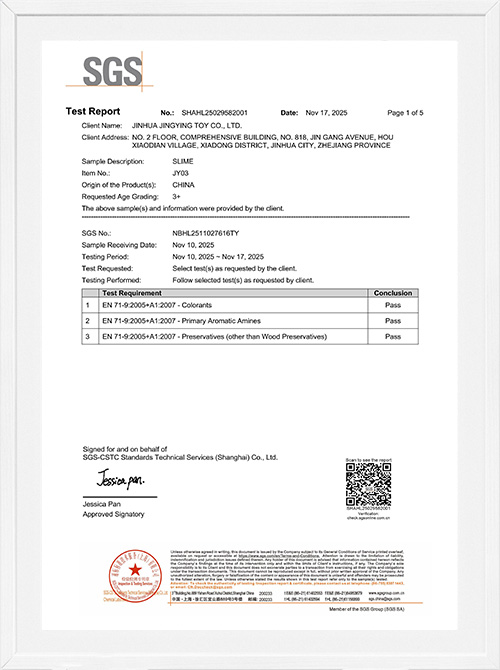
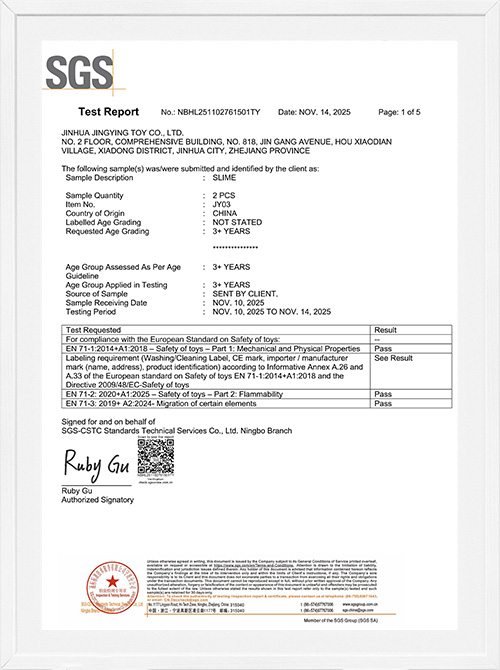
The global sensory toy market is becoming increasingly competitive, and toy brands are looking for more than attractive product designs. Buyers are no...
Read More
High Quality Slime
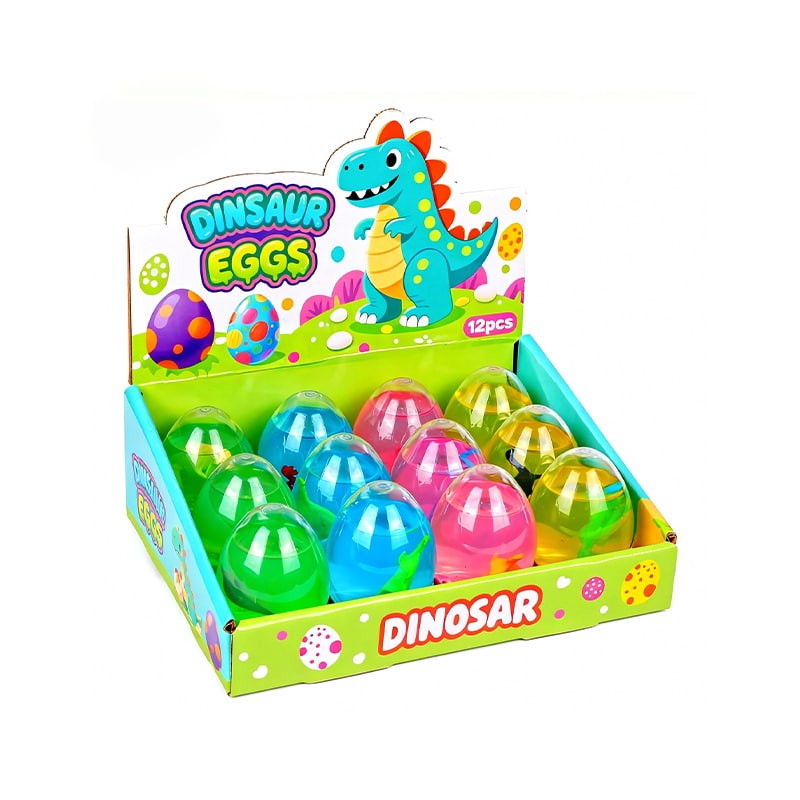
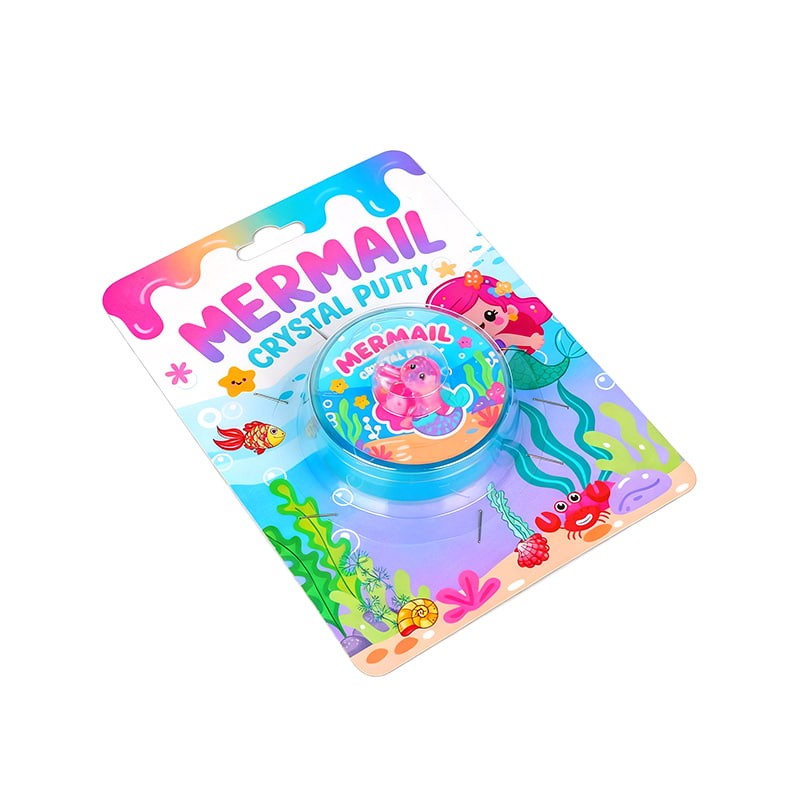
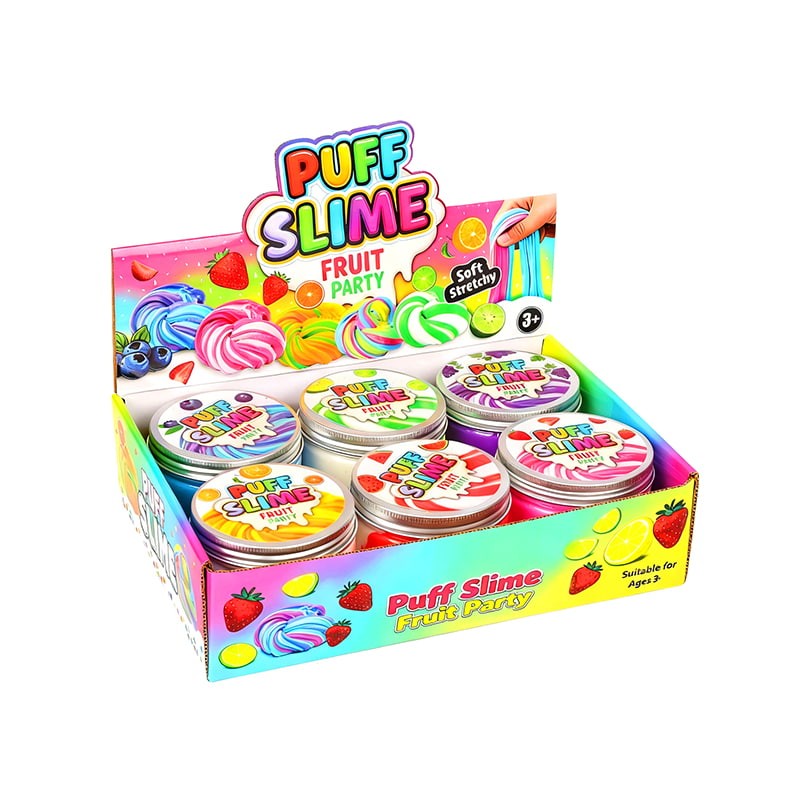
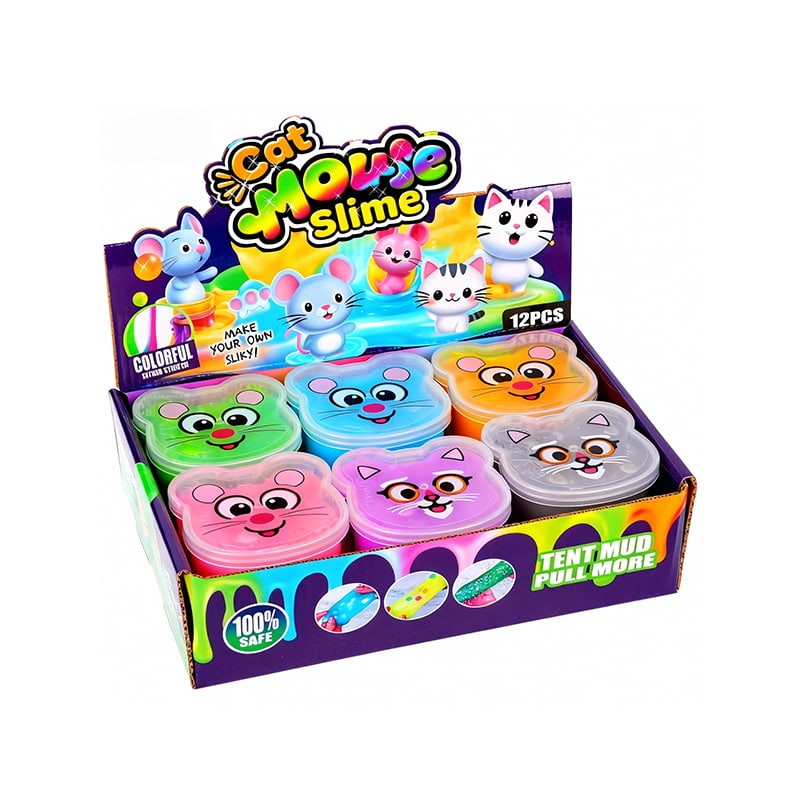
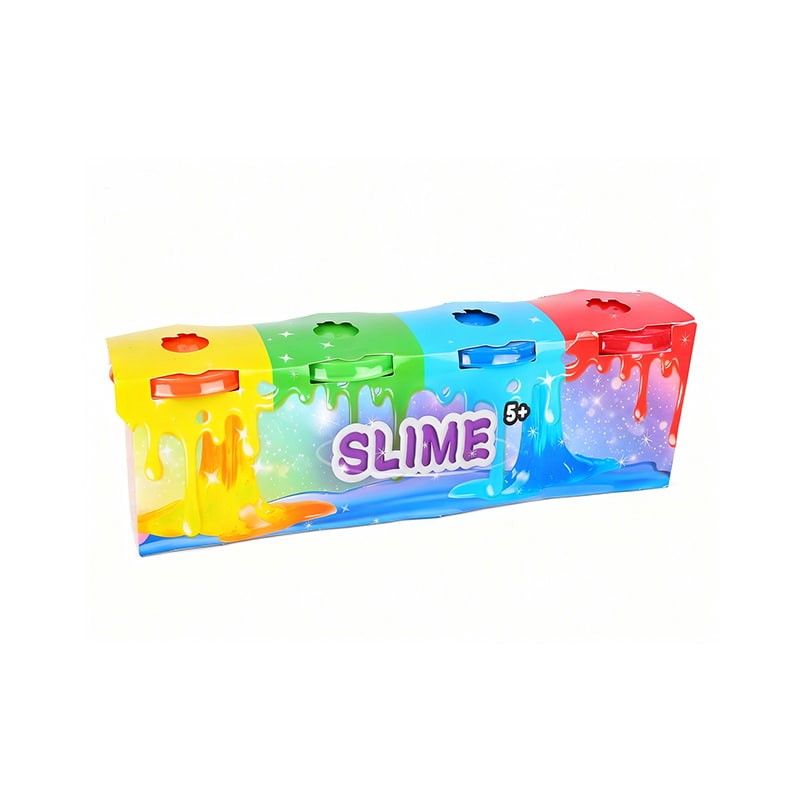
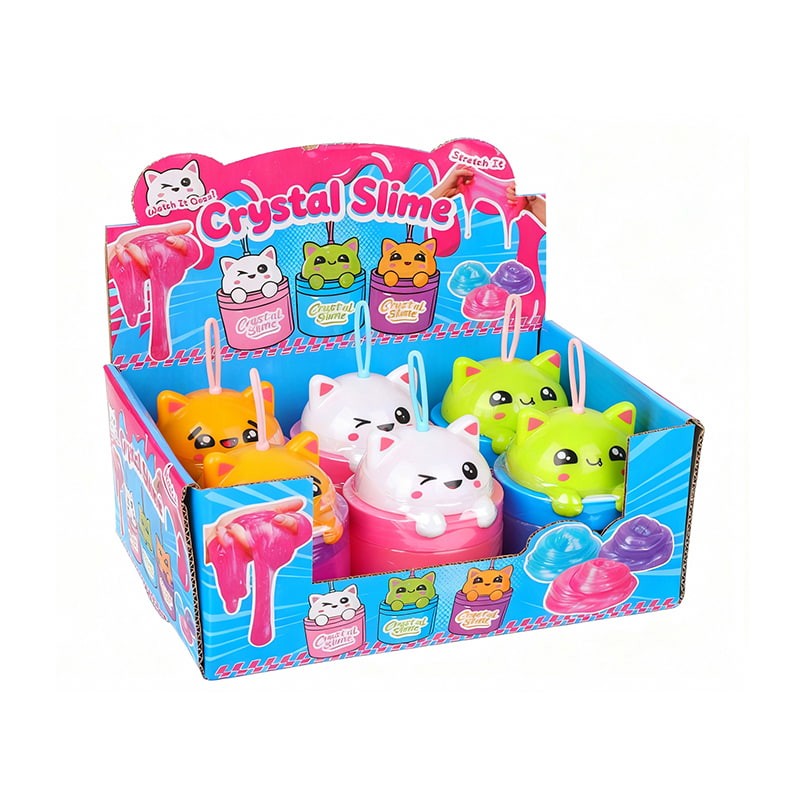
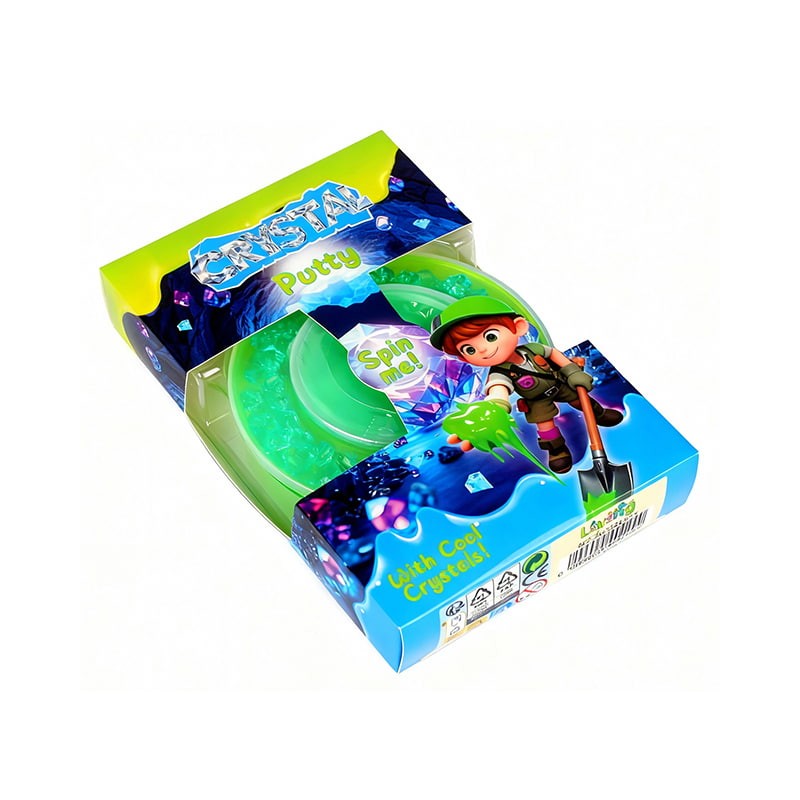
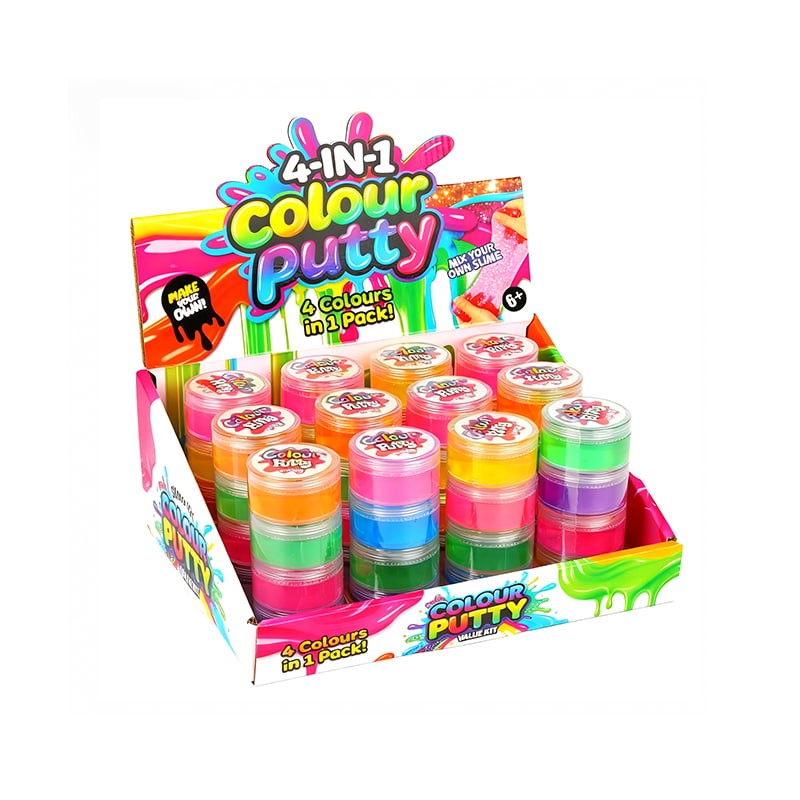
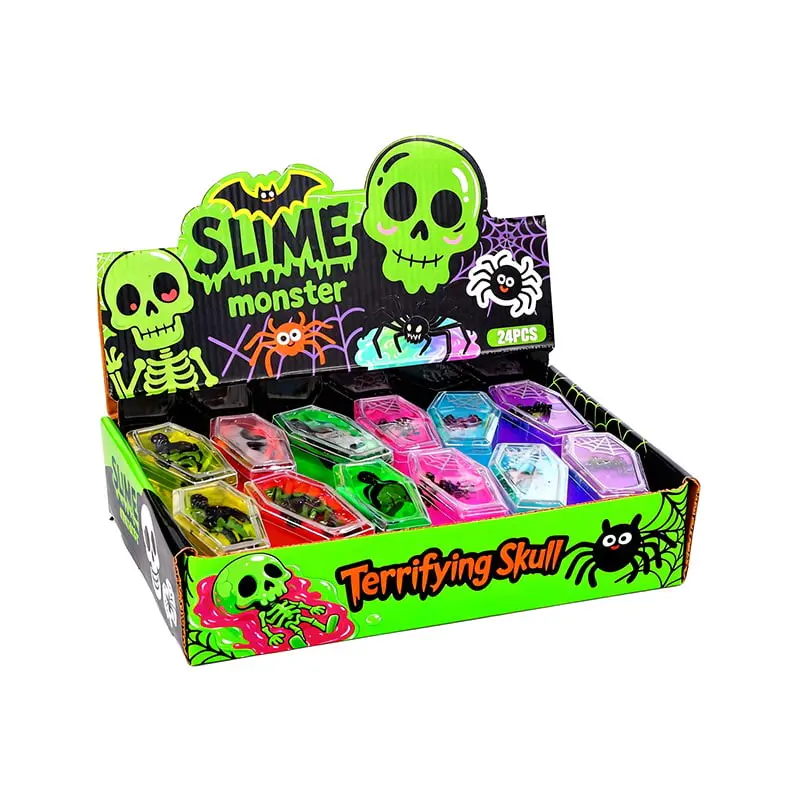
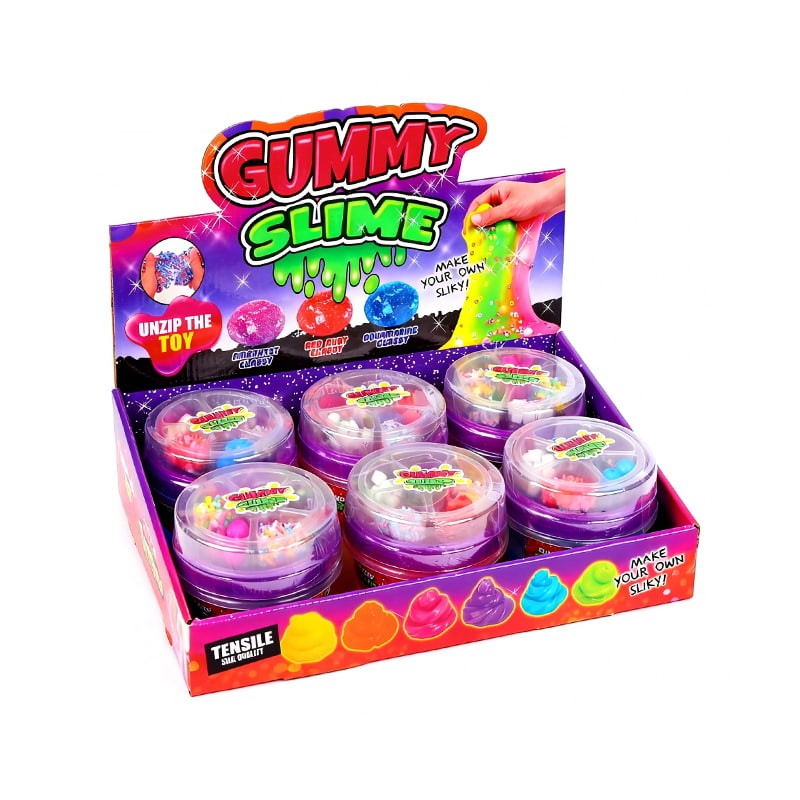
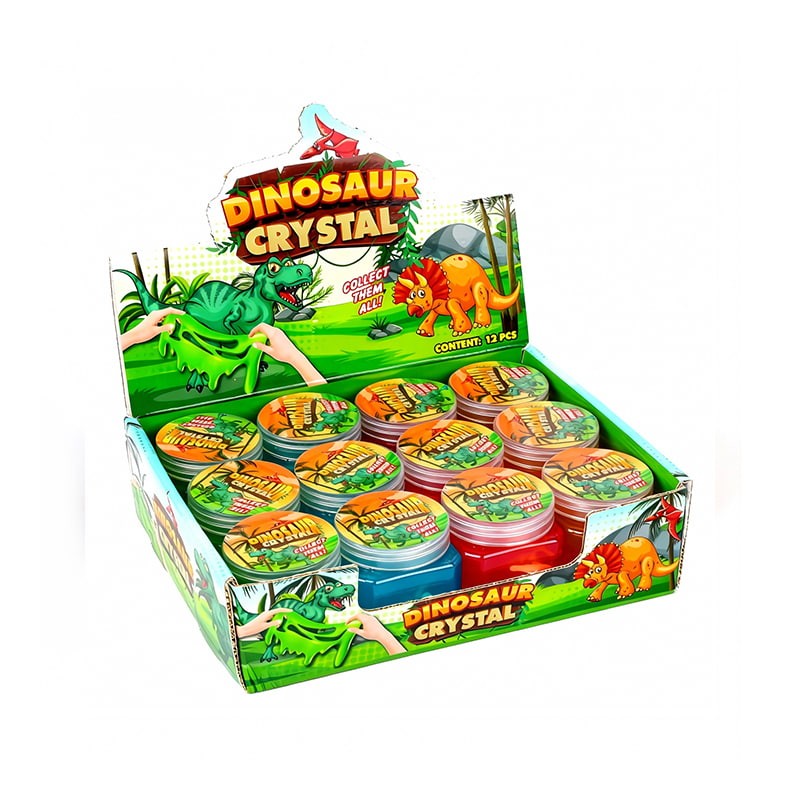
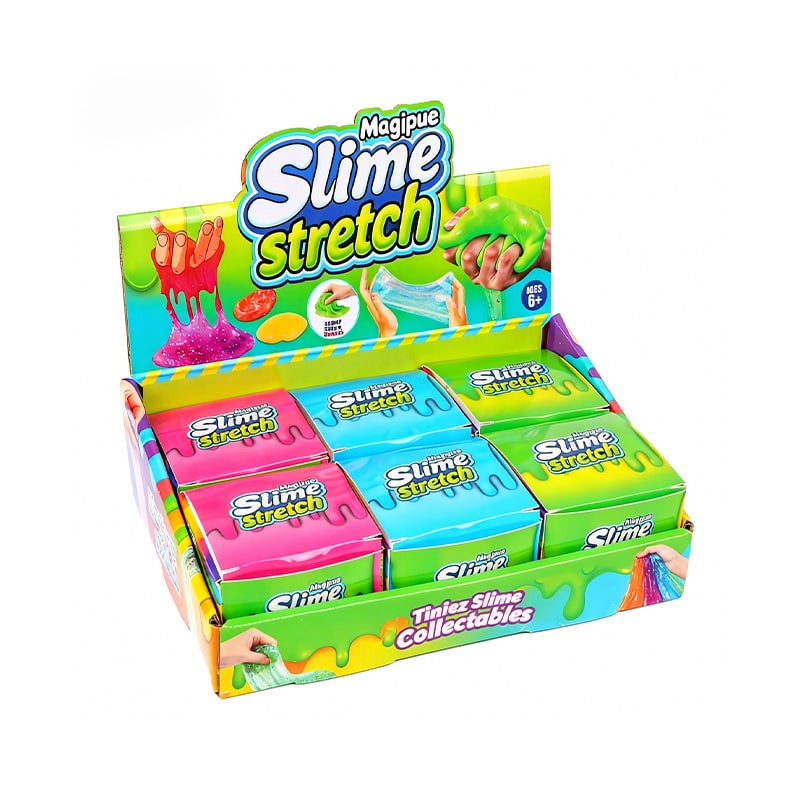
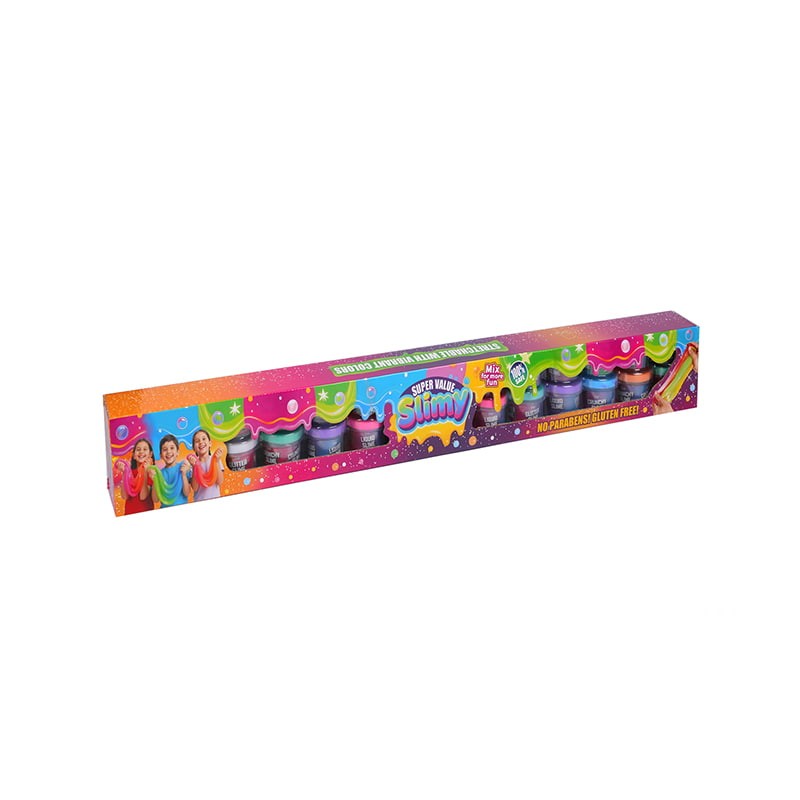
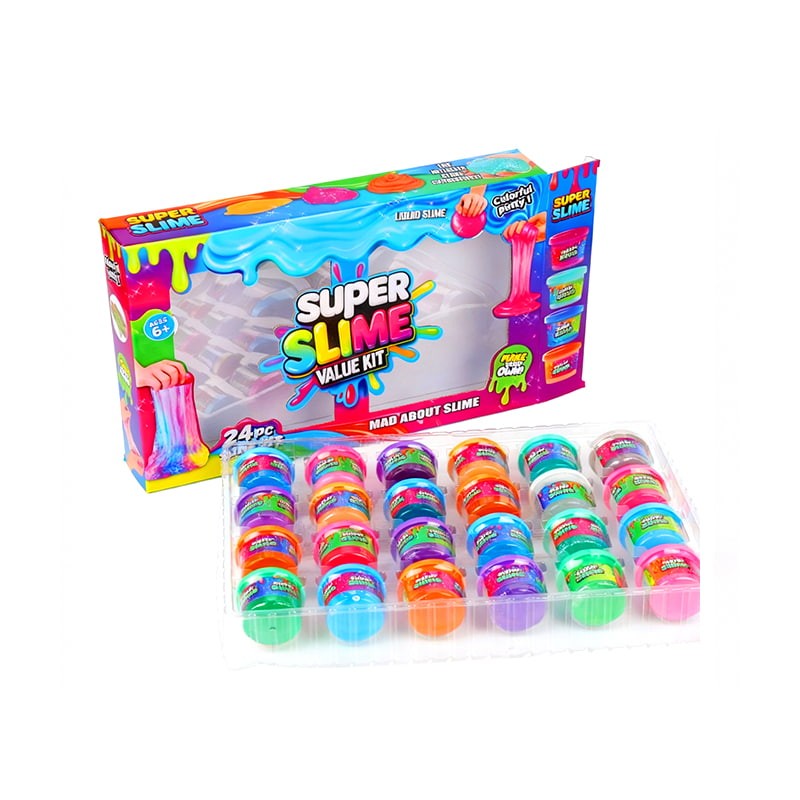
Slime is one of the core categories in our children’s craft toy product line. Soft, stretchable, and highly moldable, slime encourages children to explore creativity while improving hand-eye coordination and sensory development through play. We offer a wide range of slime options, including clear slime, colored slime, glitter slime, glow slime, scented slime, and more. These products are suitable for DIY craft projects, preschool education, art activities, school supplies, party gifts, and family interaction.
Our slime products are made with safe, eco-friendly formulas that comply with international standards. They feature smooth texture, strong elasticity, vibrant colors, good durability, and easy cleaning, making them popular in many global markets. With advanced production facilities and an experienced R&D team, we support OEM and ODM customization, covering formula development, color customization, packaging solutions, private labeling, and gift set production. We ensure reliable manufacturing capacity, strict quality control, and professional service support to help our partners grow their business with confidence.
By choosing our slime products, you gain not only a safe and enjoyable creative toy, but also a reliable, value-driven solution designed for long-term market success.
Company Profile

JinHua JingYing Toys Co., Ltd.
Jingying Toys is a modern children's toy manufacturer that integrates research and development (R&D), production, and sales. As a China Slime supplier and Slime factory, we are mainly engaged in wholesale Slime and specialize in the production and sale of ultra-light clay products, including crystal mud, modeling clay, rubber mud, dashan clay, creative toy beans, clay, snowflake mud, sand, and sand-based adhesive. Since our establishment in 2005, we have consistently adhered to the business philosophy of "Quality as the Foundation, Innovation-Driven, Customer-First."
We now possess over 20,000 square meters of modern standard factory space, equipped with advanced automated production lines and precision testing equipment. Our workforce comprises approximately 300 employees, including over 20 experienced management personnel and a dedicated 20-member technical R&D team focused on product improvement and new product development.
Looking ahead, JinHua JingYing Toys Co., Ltd. will continue to uphold our philosophy of innovation-driven leadership and quality excellence. We look forward to establishing stable, mutually beneficial, and long-term collaborative relationships with more partners, working together to create a brighter future for the children's creative toy industry.
Certificate of Honor
Latest News
-
-
In recent years, sensory play products have gained increasing attention among parents, educators, and toy brands worldwide. With the popularity of cre...
Read More -
The global toy and educational product market has been shifting toward safer, cleaner, and more sensory-focused materials, especially in early childho...
Read More -
The global creative materials market is evolving rapidly as consumer demand shifts toward safer, more sustainable, and more engaging tactile products....
Read More
Contact Us Now
Slime Industry knowledge
What Is Slime and How Does It Work?
Slime, in its basic form, is a squishy, malleable substance that can be stretched, molded, and compressed. It is often made by mixing simple household ingredients like glue and borax or a saline solution. When these ingredients are combined, they create a non-Newtonian fluid—meaning that the slime behaves like both a liquid and a solid. This unique property allows it to flow when left undisturbed but also hold its shape when manipulated.
Slime became popular in the 1980s and has seen a resurgence in recent years, particularly in the form of a sensory and stress-relief tool. Many people find the act of playing with slime soothing and relaxing. Its satisfying texture, which changes based on the recipe or type of slime, can help alleviate stress, encourage mindfulness, and improve focus. Additionally, slime play fosters the development of fine motor skills as users engage in activities like stretching, rolling, and squishing.
Though slime is often marketed as a fun toy, it has also found use in educational contexts. Teachers use it to teach scientific concepts such as viscosity, chemical reactions, and non-Newtonian fluids. Through hands-on experimentation, children learn valuable lessons about material properties, chemical reactions, and basic science.
While slime can be purchased in stores in various colors, textures, and scents, it also serves as a great medium for DIY projects, allowing individuals to create customized slime based on their preferences.
How Does DIY Slime Enhance Creativity?
DIY Slime offers a more personalized, hands-on experience compared to store-bought options. Making slime from scratch can be a fun and educational activity that promotes creativity, problem-solving, and even chemistry skills. By using simple ingredients like glue, baking soda, and saline solution, anyone can create slime at home and experiment with different textures, colors, and add-ins.
Creating DIY Slime involves a basic understanding of how different ingredients interact to form the slime's desired consistency. The common ingredients are white glue (or clear glue), baking soda, and contact lens solution. When combined, these ingredients react to form a stretchy, gooey substance. However, users can also add other ingredients like shaving cream for a fluffier texture, or glitter, foam beads, and essential oils for a sensory boost.
Making DIY Slime encourages experimentation and allows for customization. Users can adjust the ratio of ingredients to create slime that's firmer, stretchier, or more liquid. This hands-on approach not only gives individuals control over the outcome but also helps develop skills like measuring, following instructions, and understanding basic chemistry principles.
DIY Slime is also a fantastic creative outlet. Once the slime base is prepared, it can be customized with various colors, textures, and scents. For instance, adding food coloring or neon pigments transforms the slime into a vibrant creation, while glitter or sequins can make it sparkle. These customizations allow individuals to create slime that suits their personal taste and adds a sensory experience to their play.
Additionally, DIY Slime can be used in art projects, experiments, or simple sensory play. It's a versatile material that offers a wide range of applications, making it a favorite choice for both kids and adults looking to explore their creative side.
What Makes Rainbow DIY Slime a Colorful Twist?
Rainbow DIY Slime takes the concept of traditional DIY Slime a step further by incorporating multiple colors, creating a vibrant, multi-layered experience. This variation allows users to combine several different colored slimes to form a rainbow effect. The process of making Rainbow DIY Slime involves preparing separate batches of colored slime and then layering them together, resulting in a visually striking, colorful creation.
The appeal of Rainbow DIY Slime lies in its vibrant aesthetic and the sensory experience that comes with it. Each color of slime has its own unique texture and feel, adding variety to the sensory play. As users stretch, swirl, and mix the colors together, they get to experience a dynamic shift in the appearance and texture of the slime. This interaction creates a satisfying visual and tactile effect that is often mesmerizing to watch.
Creating Rainbow DIY Slime can also be an engaging educational activity. Similar to regular DIY Slime, making Rainbow Slime helps children learn about color mixing and the properties of different materials. Additionally, the activity provides an opportunity to practice fine motor skills as users carefully layer each color and manipulate the different textures. The rainbow effect itself encourages creativity, as users can experiment with different color combinations, patterns, and textures.
Rainbow DIY Slime is a great way to combine the therapeutic aspects of slime with visual stimulation. It appeals to users who enjoy colorful, tactile experiences and want to add an artistic element to their slime-making process. Whether it's for personal enjoyment, stress relief, or even as a fun project for group play, Rainbow DIY Slime brings an extra layer of excitement to the world of slime.

CHOOSE US, AND YOU WILL ACHIEVE SUCCESS.
- Product Category
- Kids’ Creative DIY Kits
- Modelling Dough Kit
- Squirmy Worms Sensory Toy
- Kinetic Sand
- Slime
- Snow Foam Clay
- Color Modeling Clay
- All Categories
- Contact Us
-
-
No. 1399, Jinguang Avenue, Fucheng Town, Jindong District, Jinhua City, Yiwu City, China

-
[email protected]

[email protected] -
+86-579-85172625

-