English
  русский
  Español
Industry News
Worm Sand: The Sensory Toy for Early Childhood Development
Content
Sensory play is a cornerstone of early childhood development. Through sensory experiences, children engage with their environment in meaningful ways, building essential cognitive, motor, and emotional skills. Worm sand, when used alongside decompression mud, offers an engaging and effective sensory experience. This unique material provides children with the opportunity to explore textures, experiment with shapes, and develop various skills—all while having fun. As a hands-on, sensory-rich activity, worm sand has gained popularity as an excellent tool for parents and educators looking to support early childhood development.
The Benefits of Worm Sand in Early Childhood Development
Worm sand serves as an interactive play material that encourages children to explore and understand the world around them. The slightly grainy texture of worm sand stimulates a child's tactile senses, allowing them to experiment with different touch sensations. This not only helps build sensory awareness but also plays a role in refining fine motor skills as children scoop, dig, and mold the sand.
By using worm sand, children can also develop their ability to categorize textures and shapes. The simple act of feeling the sand with their hands can promote brain development, especially in the areas related to sensory processing. As they explore, children become more aware of their own touch and gain a deeper understanding of the different textures they encounter in daily life.
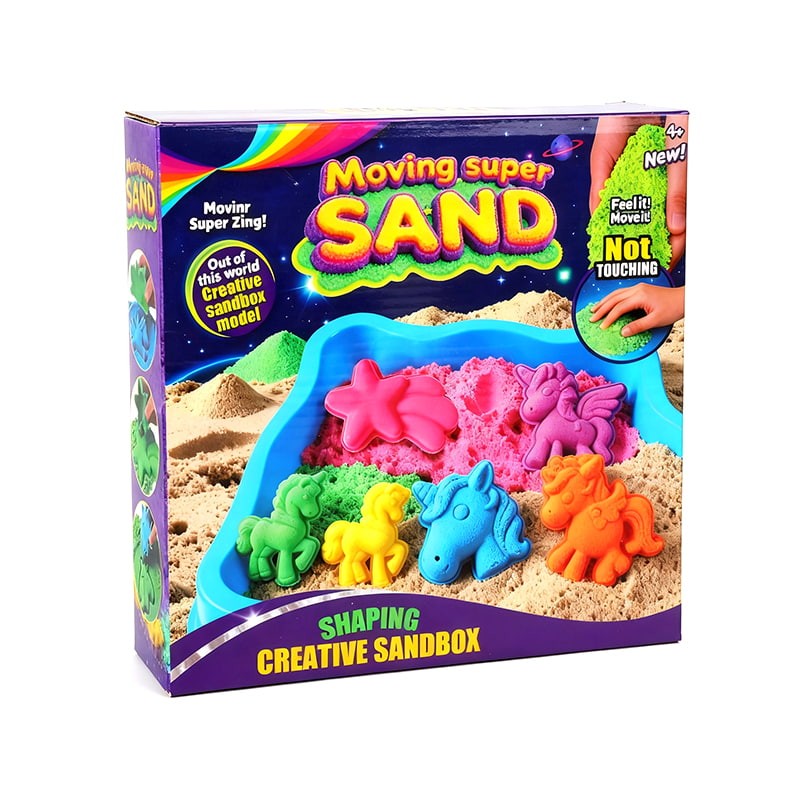
Complementary Benefits of Decompression Mud and Worm Sand
When paired with decompression mud, worm sand provides a multifaceted sensory experience. Decompression mud, with its soft, malleable texture, complements the grainy feel of worm sand, offering a more varied sensory encounter. The contrast between the two materials allows children to experiment with blending textures, which can help them develop problem-solving and creative thinking skills.
For instance, children can mix the mud and sand to create new, mixed textures or use them in various play activities like building structures or designing imaginative landscapes. By combining both materials, children are encouraged to think critically, enhancing their ability to plan and complete tasks. This combination also strengthens hand-eye coordination as children learn to manipulate both materials in different ways.
Practical Benefits of Worm Sand for Parents and Educators
Worm sand is more than just a sensory toy. It offers numerous practical advantages for parents and educators alike, making it an ideal choice for interactive play at home or in the classroom.
- Cost-Effective and Low-Maintenance
Worm sand is a durable material that doesn't require frequent replacement. Unlike other sensory materials, it is easy to clean and maintain, requiring only occasional washing to ensure its longevity. This makes it a cost-effective solution for parents and teachers who want a long-lasting sensory toy.
- Portable and Convenient
The lightweight nature of worm sand makes it easy to transport, whether it's being used in a classroom, daycare, or at home. Worm sand can be stored in containers or bins, making it highly portable for play on the go. Whether indoors or outdoors, the material can be used in a variety of environments, allowing children to engage in sensory play no matter where they are.
- Versatility in Activities
Worm sand is versatile and can be used for many different educational and creative activities. From simple tactile exploration to more structured tasks, worm sand offers numerous opportunities to integrate sensory play with learning. For example, children can practice sorting, counting, or even create patterns and designs using the sand.
Practical Applications of Worm Sand in Child Development
Here is an overview of some of the ways worm sand can be used to enhance development during early childhood:
|
Activity |
Skills Developed |
|
Sifting and Sorting Sand |
Fine motor skills, hand-eye coordination, cognitive categorization |
|
Building Sand Structures |
Creative thinking, problem-solving, spatial awareness |
|
Mixing with Other Materials |
Sensory processing, creative play, exploration of textures |
|
Drawing Shapes in the Sand |
Artistic expression, hand control, concentration |
These activities can be easily modified depending on the child's age and developmental stage, ensuring that worm sand remains a useful and adaptable tool throughout early childhood.
FAQ: Common Questions About Worm Sand and Decompression Mud
- Is worm sand safe for young children?
Yes, worm sand is generally safe for young children when used under supervision. It is non-toxic, and many products are designed with young children in mind. However, it is important to ensure that children do not ingest the sand.
- Can worm sand be used for therapeutic purposes?
Worm sand can be used for sensory therapy to help children with sensory processing disorders. It provides a soothing tactile experience, helping children improve sensory awareness and develop coping mechanisms for stress.
- How should worm sand be stored?
Worm sand should be stored in an airtight container to prevent it from drying out. It is suitable to keep it in a cool, dry place to ensure its longevity and prevent any degradation.
- Can worm sand be combined with other sensory materials?
Yes, worm sand can be mixed with other materials like decompression mud, play dough, or even water to create different textures and enhance the sensory experience. Children will benefit from exploring various combinations of materials.
- How do I clean worm sand if it gets dirty?
Worm sand can be cleaned by using a soft cloth to wipe off any surface dirt. If the sand gets too messy, it can be rinsed in water and left to dry before reusing. It's important to ensure that the sand is completely dry before storage.
NEXT:Decompression Mud: Stimulating Creativity in Children's Playtime
-
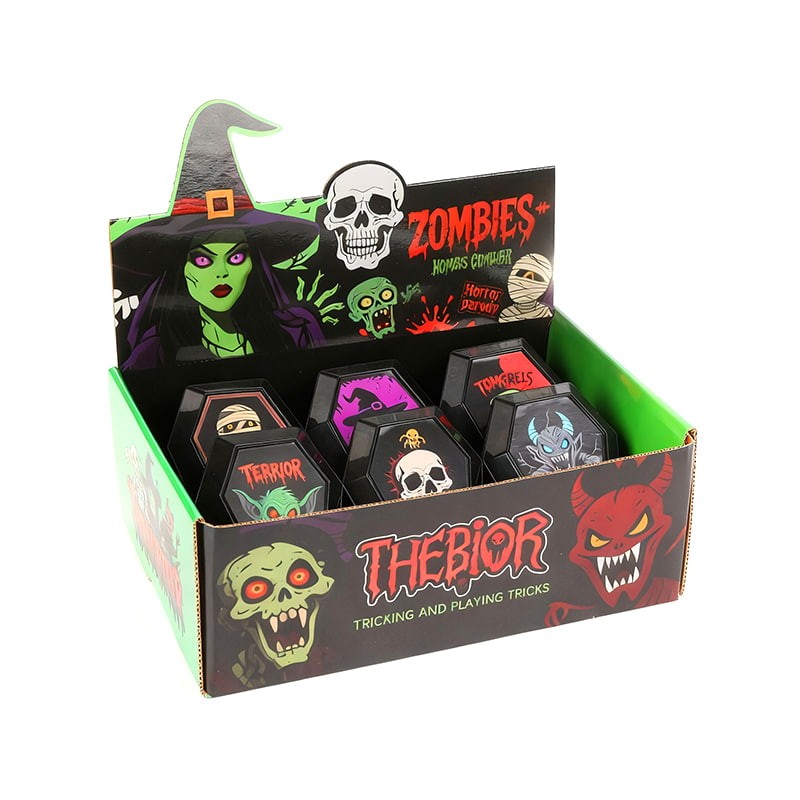
Kids’ Creative DIY Kits
Product Name SLIME Quantity per Box 4X6PCS Item Number SLM-1001 Net Weight ...View More -
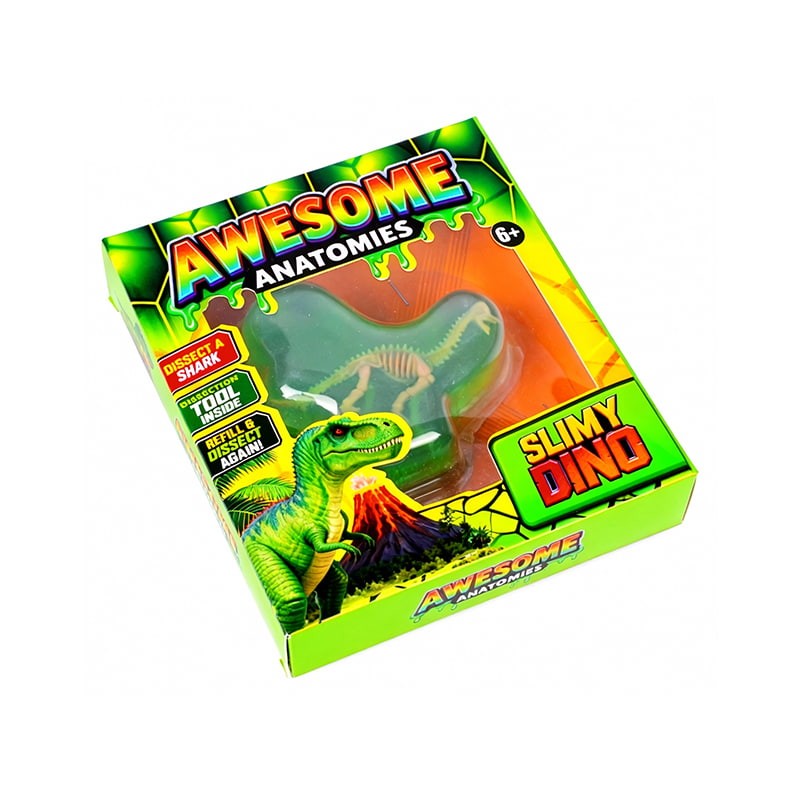
Kids’ Creative DIY Kits
Product Name DINOSAUR JELLY GLUE Quantity per Box 24PCS Item Number DGJ-20004 ...View More -
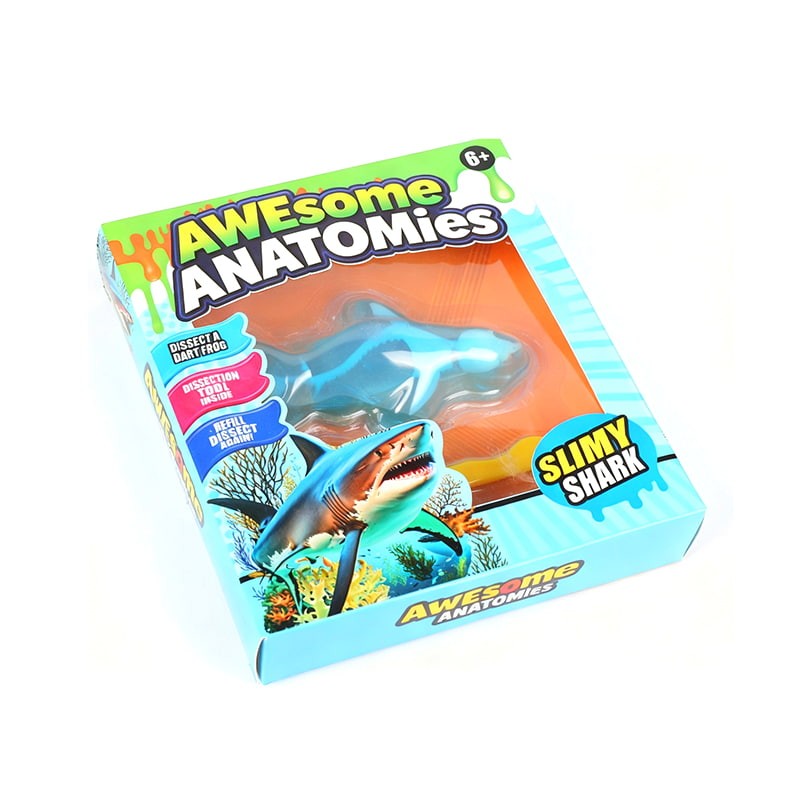
Kids’ Creative DIY Kits
Product Name JELLY GLUE Quantity per Box 48PCS Item Number DGJ-20005 Net We...View More -
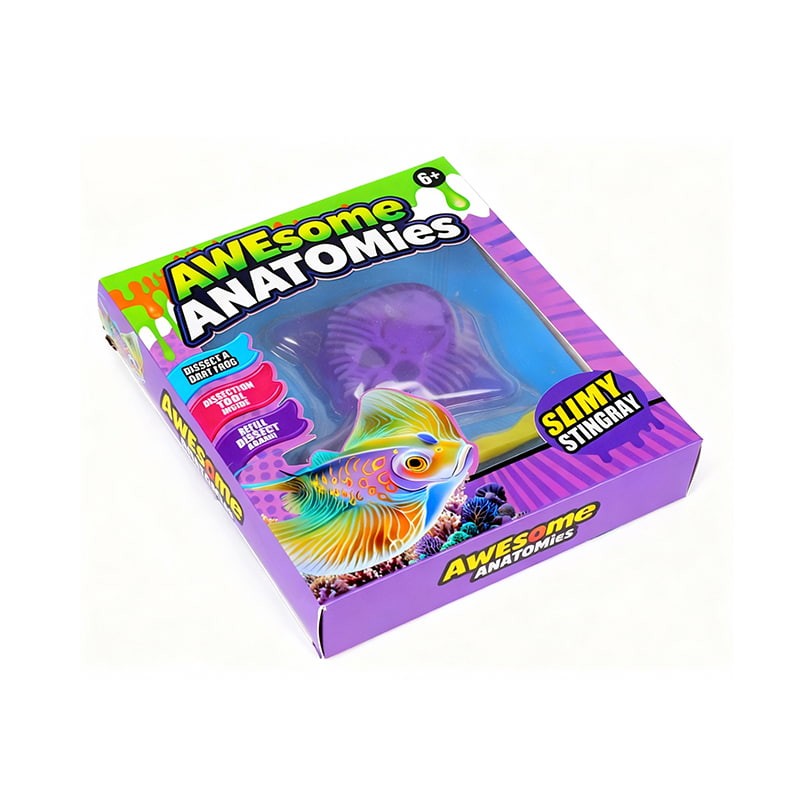
Kids’ Creative DIY Kits
Product Name JELLY GLUE Quantity per Box 48PCS Item Number DGJ-20006 Net We...View More -
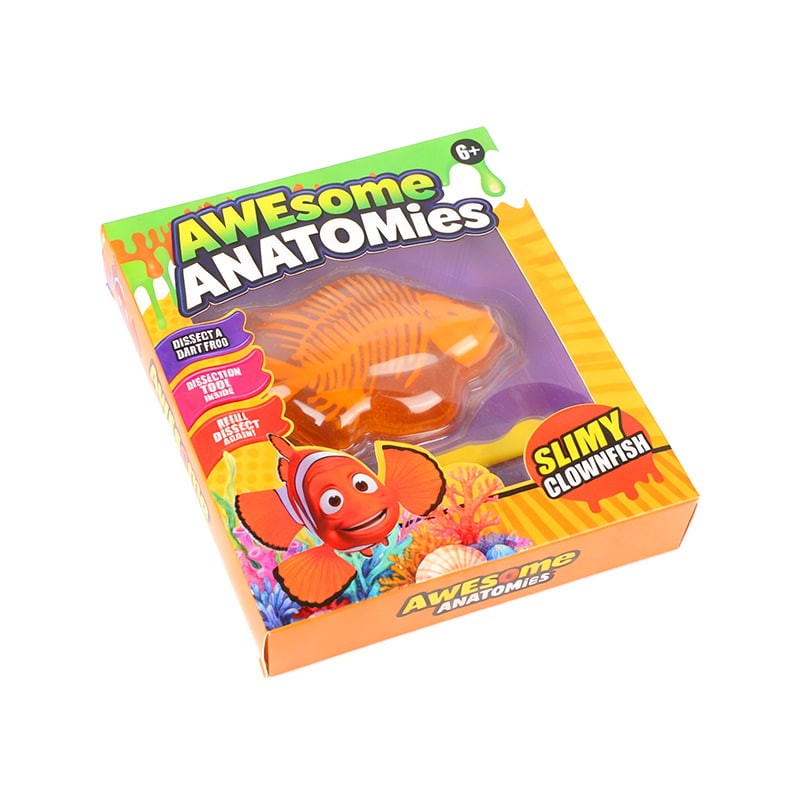
Kids’ Creative DIY Kits
Product Name JELLY GLUE Quantity per Box 48PCS Item Number DGJ-20007 Net We...View More -
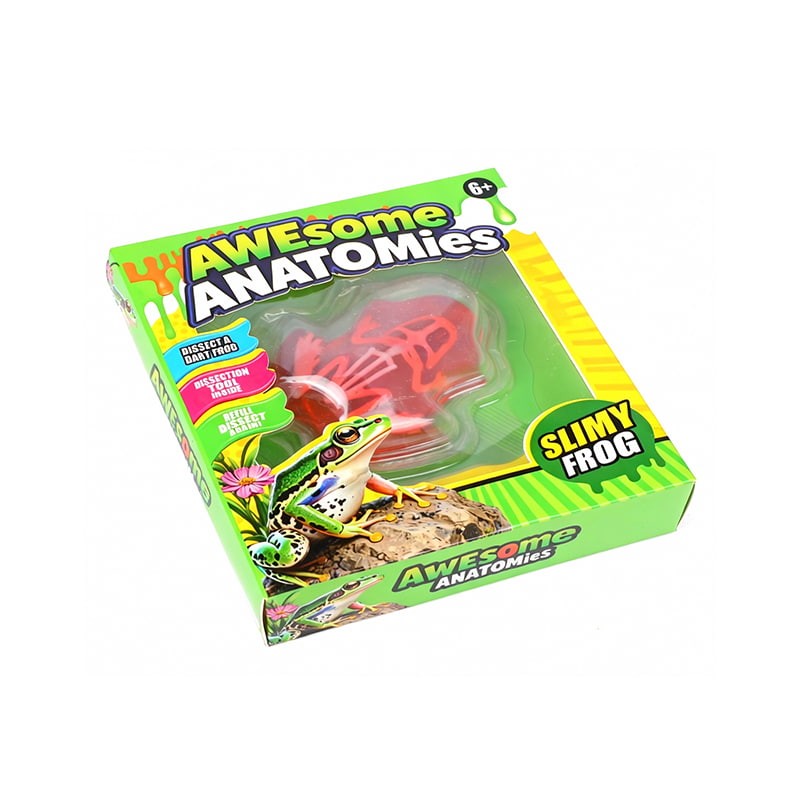
Kids’ Creative DIY Kits
Product Name JELLY GLUE Quantity per Box 48PCS Item Number DGJ-20008 Net We...View More -
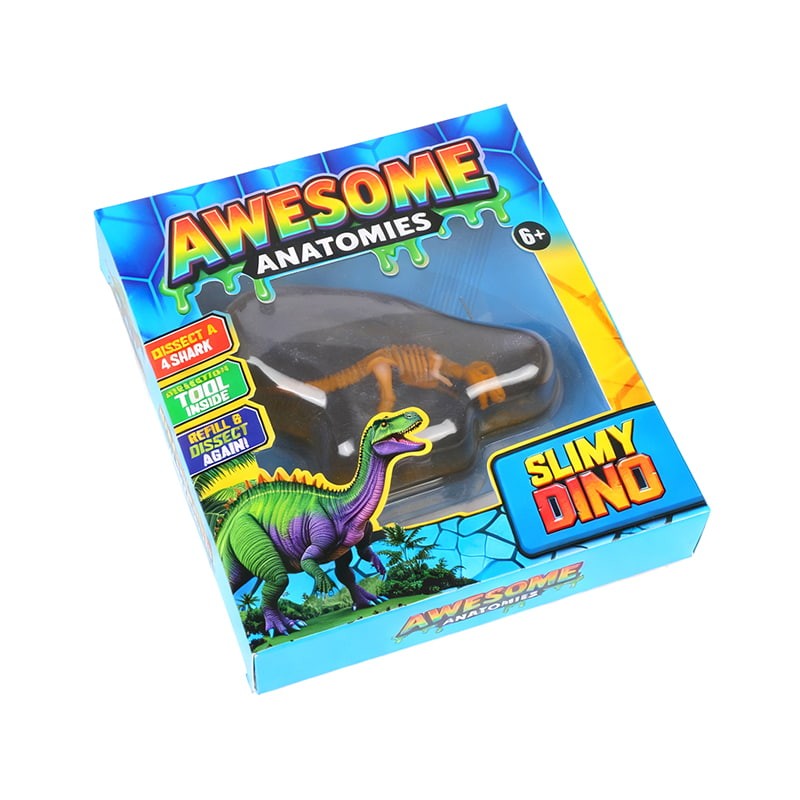
Kids’ Creative DIY Kits
Product Name DINOSAUR JELLY GLUE Quantity per Box 48PCS Item Number DGJ-20001 ...View More


- Product Category
- Kids’ Creative DIY Kits
- Modelling Dough Kit
- Squirmy Worms Sensory Toy
- Kinetic Sand
- Slime
- Snow Foam Clay
- Color Modeling Clay
- All Categories
- Contact Us
-
-
No. 1399, Jinguang Avenue, Fucheng Town, Jindong District, Jinhua City, Yiwu City, China

-
[email protected]

[email protected] -
+86-579-85172625

-