English
  русский
  Español
Industry News
Why Worm Sand is a Fun, Mess-Free Option for Play
Content
Decompression Mud and Worm Sand have quickly become popular sensory tools for children and adults alike. Offering a tactile, stress-relieving experience, both are favored for their playful texture and versatility. While Decompression Mud tends to be more malleable and gooey, Worm Sand offers a different, more granular sensory experience. This article explores why Worm Sand, in particular, stands out as a fun and mess-free option for play, highlighting its various benefits, practical uses, and common questions.
What Makes Worm Sand Different?
Worm Sand's unique texture, resembling small, squishy worms or strands, provides a satisfying tactile experience. Unlike other sensory materials, Worm Sand doesn't stick to skin or surfaces as easily, making cleanup after play sessions a lot easier. Its consistency can range from fine particles to slightly coarse, allowing users to enjoy a wide variety of sensory interactions.
Worm Sand's durability also stands out. It doesn't dry out quickly, which means it can be reused multiple times without losing its playful qualities. This makes it a sustainable choice for long-term play, especially in environments like classrooms, homes, and therapy centers.
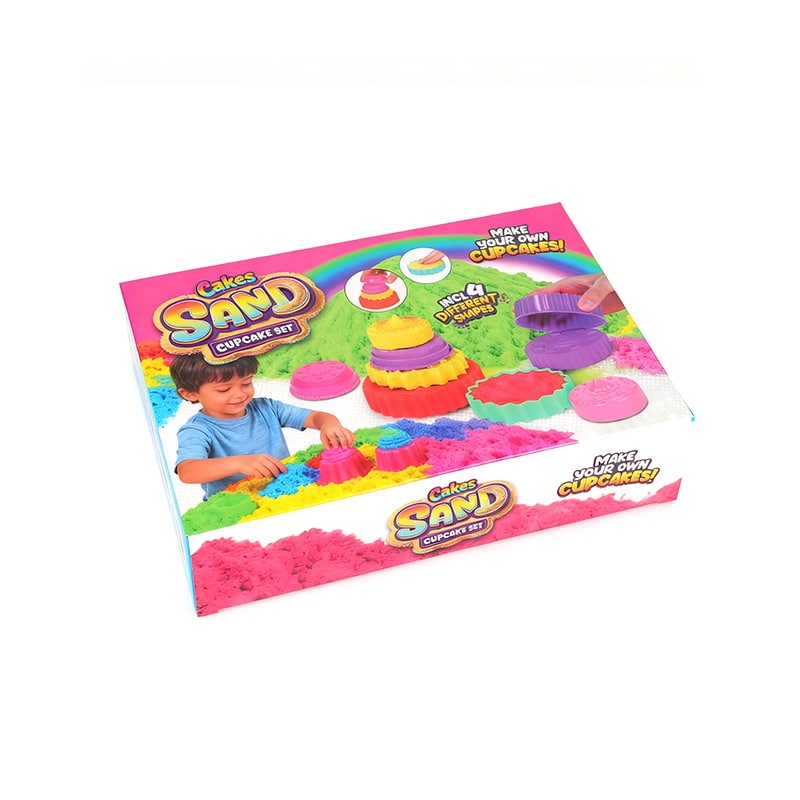
The Appeal of Worm Sand in Sensory Play
Worm Sand offers a calming experience for those who benefit from sensory input. Its soft, granular texture mimics the feeling of sand, providing both a visual and tactile focus that can help improve concentration and reduce anxiety. It's not just for kids either; adults can also use Worm Sand as a stress-relief tool to relax their minds after a long day.
Parents and educators often choose Worm Sand because it's less likely to create a mess compared to other materials like sand or playdough. Its lack of stickiness and ability to stay contained in a designated play area make it ideal for smaller spaces or when there's a need for easy cleanup.
Practical Benefits of Using Worm Sand
- Mess-Free Play: One of the common concerns with sensory materials is the mess they leave behind. Worm Sand, with its granular nature, is much easier to manage and clean up after use. Unlike mud or liquid-based materials, it doesn't stain fabrics or leave residues that are hard to remove.
- Stimulates Tactile Senses: The texture of Worm Sand provides a soothing sensation that engages tactile sensory pathways, which is particularly beneficial for children with sensory processing needs. It allows them to explore different textures in a controlled, non-invasive way.
- Encourages Creativity and Imagination: Just like traditional sand, Worm Sand can be molded, shaped, and played with in creative ways. Children can create mini landscapes, build structures, or simply enjoy the sensory experience. It's a versatile material for free play, encouraging both fine and gross motor skill development.
- Durability for Extended Use: Unlike many sensory materials that degrade over time, Worm Sand is long-lasting. Whether it's used in therapy sessions or just for fun, its texture remains consistent, making it an excellent option for repeated use.
Frequently Asked Questions About Worm Sand
- How should I store Worm Sand to keep it fresh?
To keep Worm Sand in good condition, store it in a sealed container to prevent it from absorbing moisture or dirt. A plastic bin with a lid works well, especially for keeping it from drying out.
- Is Worm Sand safe for children?
Yes, Worm Sand is generally safe for children. It is made from non-toxic materials that are designed for tactile play. However, like with any small particles, it's important to supervise young children to prevent accidental ingestion.
- How long does Worm Sand last?
Worm Sand can last for months, depending on how it is used and stored. Proper storage in an airtight container will help maintain its texture and quality over time.
- Can Worm Sand be used in educational settings?
Absolutely! Worm Sand is a great tool in educational settings, particularly for sensory therapy and motor skill development. It encourages creativity and can be incorporated into lesson plans or therapeutic exercises.
- Can Worm Sand be mixed with other materials for different play experiences?
Yes, Worm Sand can be combined with other materials like playdough or modeling clay for varied textures and experiences. However, mixing it with liquids or materials that can make it sticky should be avoided to preserve its clean play characteristics.
- Is Worm Sand eco-friendly?
Worm Sand is designed to be durable and reusable, which makes it a more sustainable option compared to other one-time use materials. While it's not biodegradable, its longevity and reusability reduce the need for constant replacement.
NEXT:Worm Sand: The Sensory Toy for Early Childhood Development
-
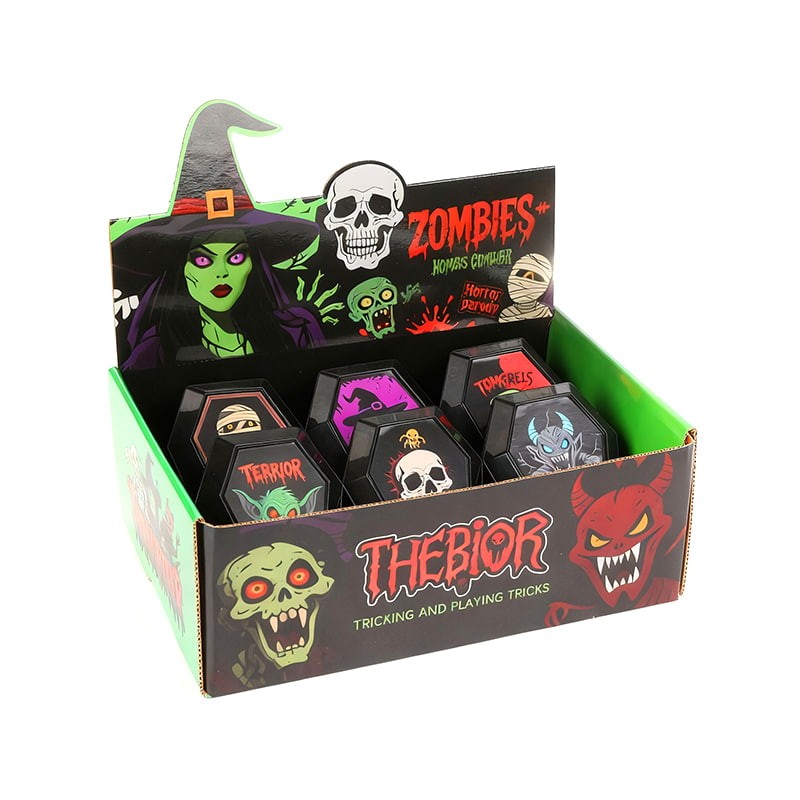
Kids’ Creative DIY Kits
Product Name SLIME Quantity per Box 4X6PCS Item Number SLM-1001 Net Weight ...View More -
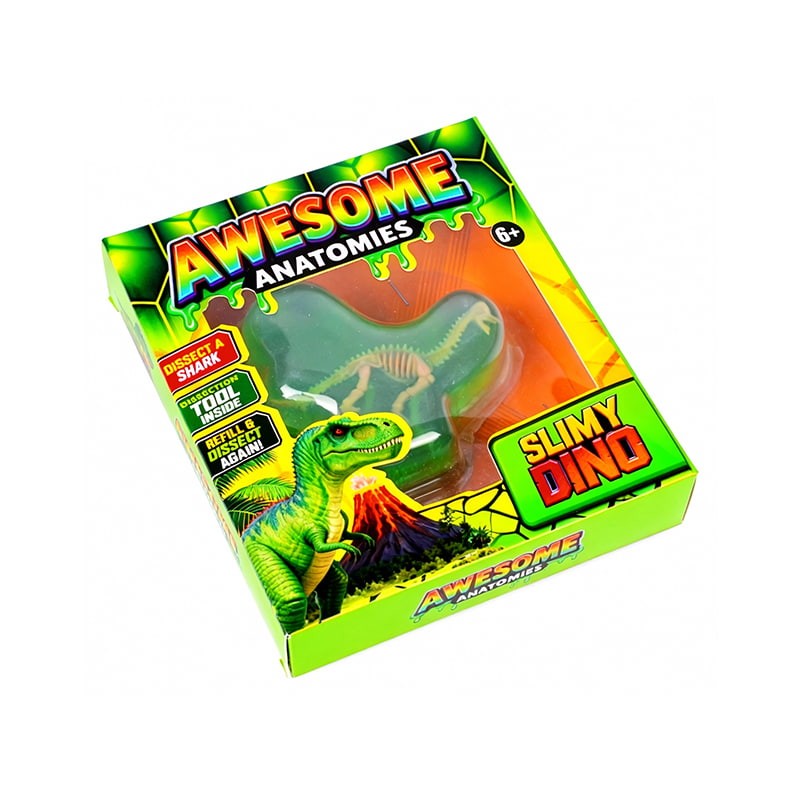
Kids’ Creative DIY Kits
Product Name DINOSAUR JELLY GLUE Quantity per Box 24PCS Item Number DGJ-20004 ...View More -
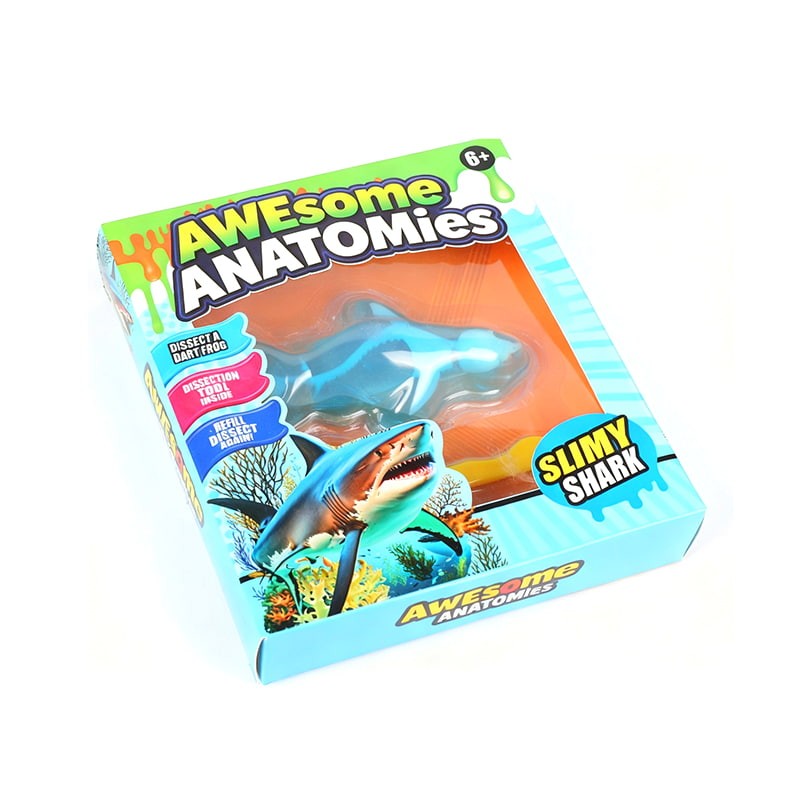
Kids’ Creative DIY Kits
Product Name JELLY GLUE Quantity per Box 48PCS Item Number DGJ-20005 Net We...View More -
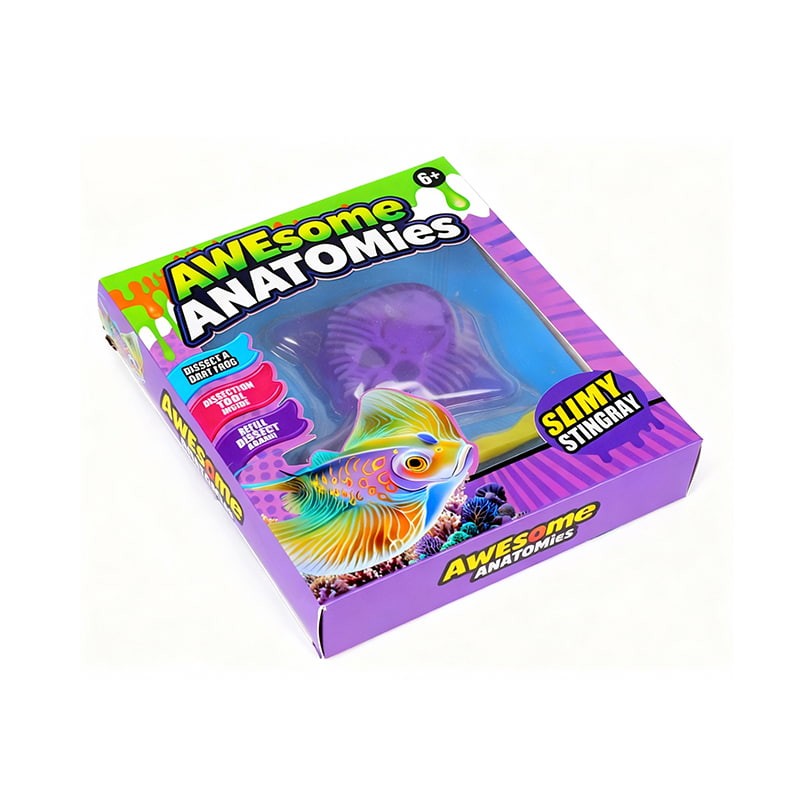
Kids’ Creative DIY Kits
Product Name JELLY GLUE Quantity per Box 48PCS Item Number DGJ-20006 Net We...View More -
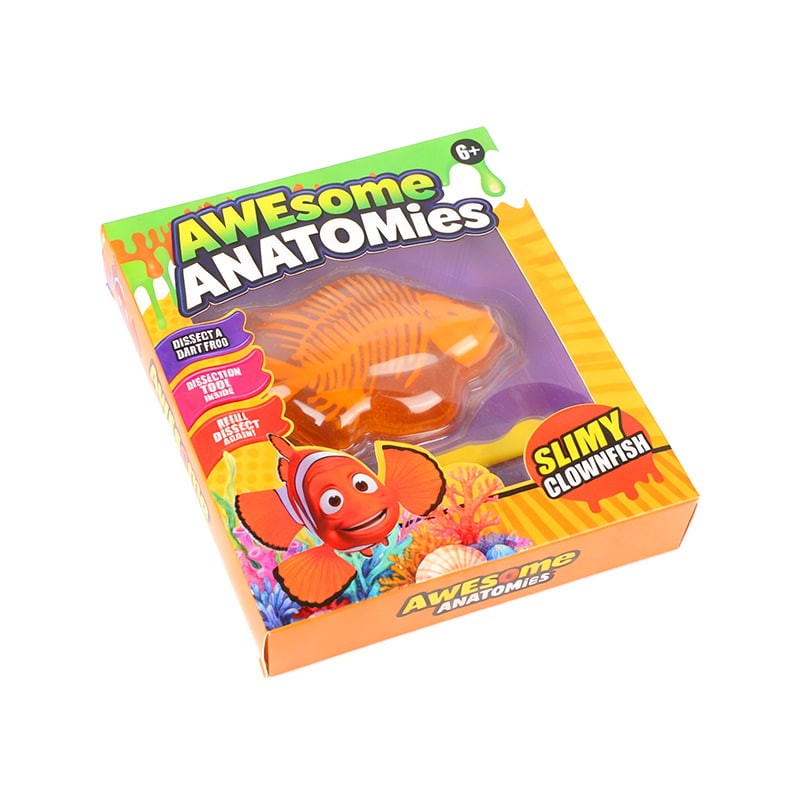
Kids’ Creative DIY Kits
Product Name JELLY GLUE Quantity per Box 48PCS Item Number DGJ-20007 Net We...View More -
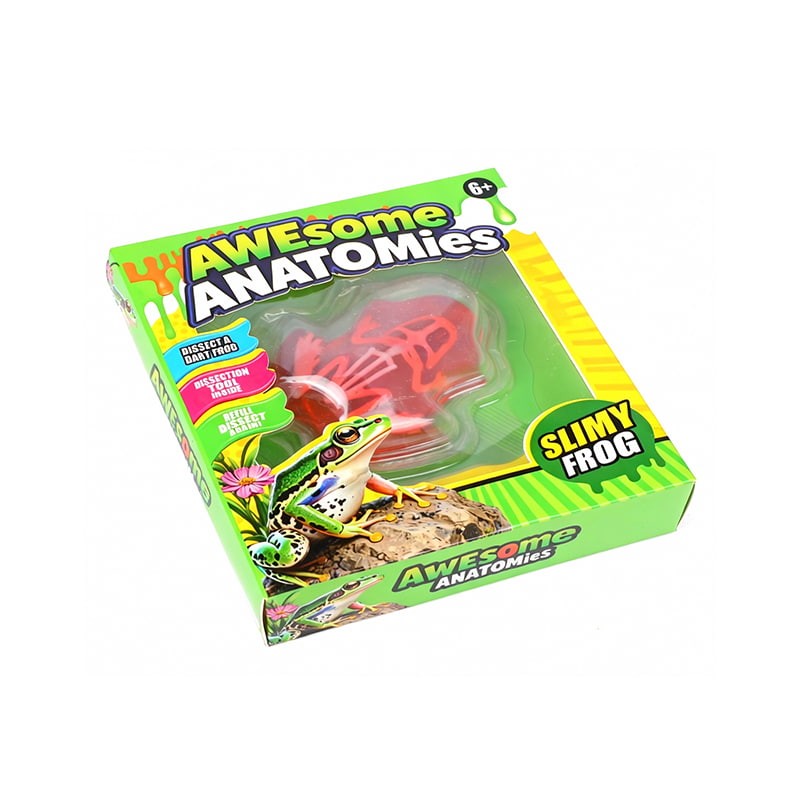
Kids’ Creative DIY Kits
Product Name JELLY GLUE Quantity per Box 48PCS Item Number DGJ-20008 Net We...View More -
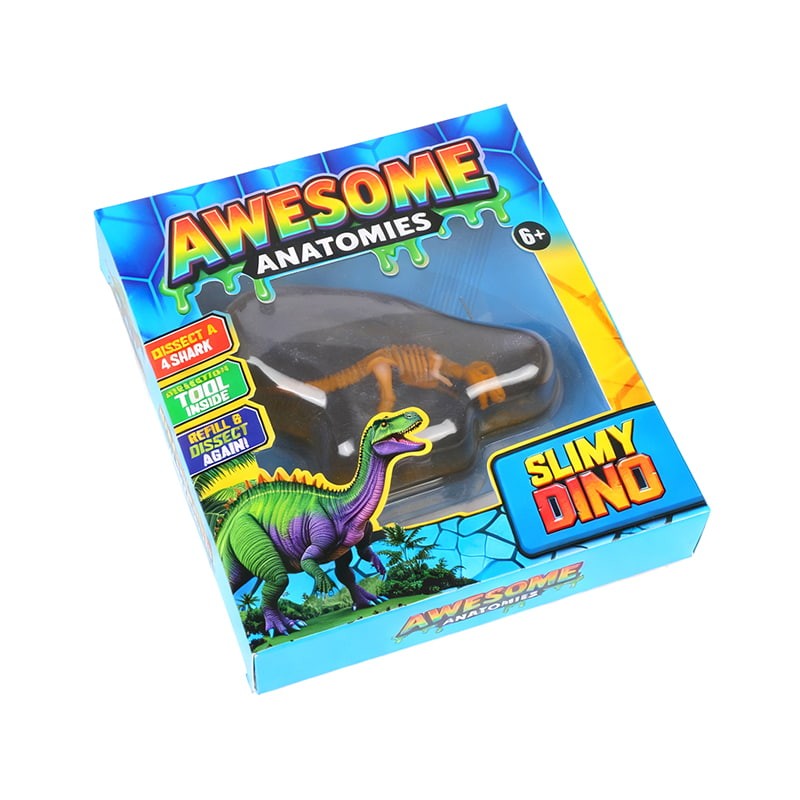
Kids’ Creative DIY Kits
Product Name DINOSAUR JELLY GLUE Quantity per Box 48PCS Item Number DGJ-20001 ...View More


- Product Category
- Kids’ Creative DIY Kits
- Modelling Dough Kit
- Squirmy Worms Sensory Toy
- Kinetic Sand
- Slime
- Snow Foam Clay
- Color Modeling Clay
- All Categories
- Contact Us
-
-
No. 1399, Jinguang Avenue, Fucheng Town, Jindong District, Jinhua City, Yiwu City, China

-
[email protected]

[email protected] -
+86-579-85172625

-