English
  русский
  Español
Industry News
Decompression Mud: Stimulating Creativity in Children's Playtime
Content
Playtime is essential in a child's development, fostering creativity, problem-solving skills, and even emotional growth. One of engaging and educational tools to promote these skills is decompression mud, often referred to as "stress-relief" or "sensory" play materials. Combined with worm sand, this play medium offers children a unique, hands-on experience that encourages exploration and imaginative play. These materials are increasingly popular for their tactile benefits and potential to create a soothing yet stimulating environment.
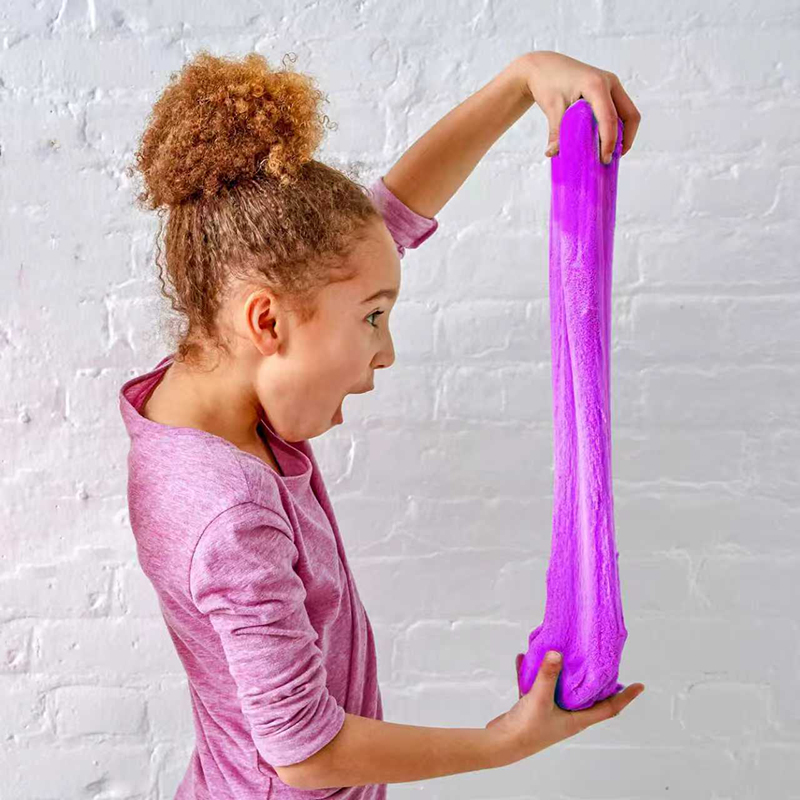
The Role of Decompression Mud in Childhood Development
Decompression mud serves as an innovative tool for children's play, offering not only sensory stimulation but also opportunities for motor skill development. By manipulating the soft, pliable texture, children can develop fine motor skills and hand-eye coordination. The mud encourages them to knead, mold, and shape, creating different textures and forms in a hands-on experience that mimics the tactile sensations of real-world objects.
Additionally, this sensory activity can promote emotional regulation. The act of squeezing, rolling, or stretching decompression mud can help children manage stress and anxiety, providing a calm environment for them to focus and relax. As an alternative to traditional toys, decompression mud can also foster more interactive and imaginative play, where children create entire worlds or characters from the material, causing deeper storytelling and role-playing.
Worm Sand: A Complementary Tool for Creativity
Worm sand, another popular play material, pairs well with decompression mud. While decompression mud offers a squishy, malleable texture, worm sand provides a contrasting, slightly grainy feel that can further stimulate a child's sensory experience. Together, these materials offer endless possibilities for exploration. For instance, children can create landscapes, build tiny sandcastles, or simulate excavation sites where they search for buried objects, helping them learn about the environment while developing essential cognitive and problem-solving skills.
The unique texture of worm sand encourages children to interact with it in creative ways, stimulating their curiosity and helping them practice patience and focus as they work through projects. This combination of tactile experiences helps children learn to adapt and understand the differences in materials, improving their ability to categorize and differentiate various textures in their everyday surroundings.
Encouraging Group Play with Decompression Mud and Worm Sand
These materials also shine in group play environments. When used in a social setting, decompression mud and worm sand can foster teamwork, communication, and collaborative problem-solving. Children can work together to create larger structures, such as intricate sandcastles or multi-textured landscapes. This shared experience not only encourages cooperation but also nurtures social development, as children learn to negotiate, share, and communicate their ideas and preferences with one another.
For educators and caregivers, incorporating these materials into group activities can be a rewarding way to engage children in cooperative learning, as they take turns, share tools, and build upon each other's creations.
Practical Benefits of Decompression Mud and Worm Sand for Home and Educational Settings
- Easy to Clean and Maintain
Decompression mud and worm sand are relatively easy to clean compared to traditional play materials. Whether at home or in a classroom, spills can be quickly wiped up, and the materials are often reusable, making them a cost-effective choice in the long term. They are non-toxic and safe for young children, which adds peace of mind for caregivers and teachers.
- Portable and Flexible
These materials are portable, allowing for flexibility in play. Whether it's used in the home, outdoors, or in a school setting, decompression mud and worm sand can be contained in small, easily transportable containers. This makes them an ideal option for road trips, playdates, or outdoor activities where traditional toys may not be suitable.
- Versatile for Different Activities
Beyond just sensory play, decompression mud and worm sand can be used for various educational activities. From creating simple sculptures to exploring scientific concepts like density and texture, these materials offer a hands-on way to integrate play with learning, making them valuable tools for educators. For example, teachers can challenge children to use both materials to design models of animals or natural landscapes, helping them build a better understanding of geography or biology.
Frequently Asked Questions
- What age group is decompression mud suitable for?
Decompression mud is suitable for children aged 3 and up, as it provides a safe, tactile experience that stimulates creativity and helps develop motor skills. Always supervise younger children to ensure safe play.
- Can decompression mud be used for sensory therapy?
Yes, decompression mud can be used as part of sensory therapy for children who may benefit from tactile stimulation. It can help calm children and provide a therapeutic sensory experience for those with sensory processing challenges.
- Is worm sand safe for children to play with?
Worm sand is generally safe for children when used properly. It is important to ensure that children do not put the sand in their mouths or inhale it. Always choose worm sand that is non-toxic and designed specifically for children's play.
- How can I store decompression mud and worm sand?
Both materials can be stored in airtight containers to maintain their freshness and prevent them from drying out. Store them in a cool, dry place and avoid direct sunlight to prolong their usability.
- Can decompression mud and worm sand be mixed together?
Yes, decompression mud and worm sand can be mixed to create interesting textures. This combination allows for even more creative possibilities, enabling children to explore and compare the tactile differences between the materials.
- Are decompression mud and worm sand eco-friendly?
Many decompression mud and worm sand products are made with eco-friendly materials that are safe for the environment. However, it's always a good idea to check the product's packaging or description to ensure it meets your sustainability standards.
NEXT:What Are the Benefits of Using Creative Multi-Colored Clay?
-
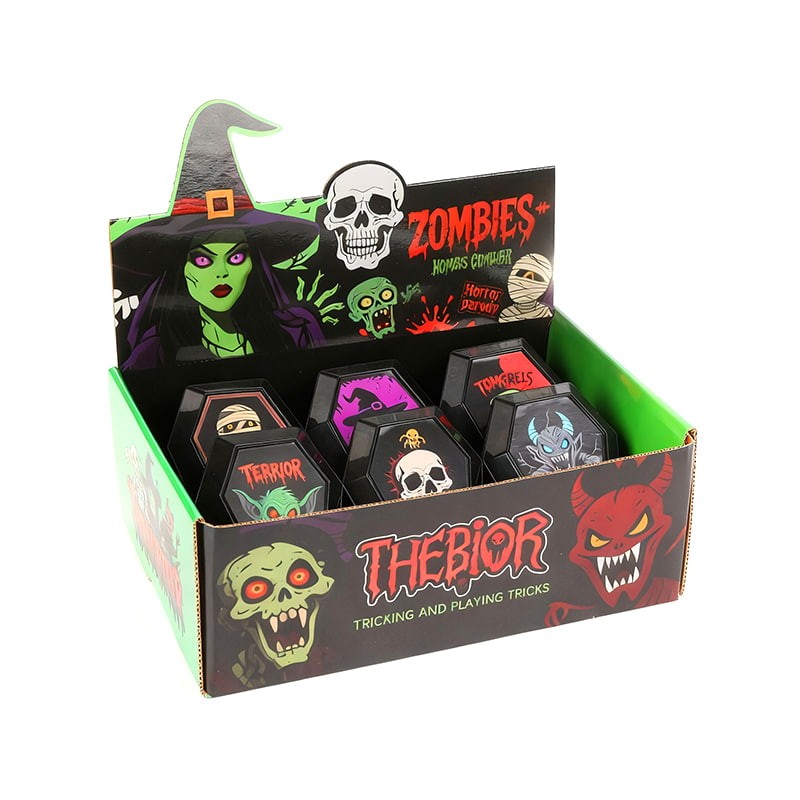
Kids’ Creative DIY Kits
Product Name SLIME Quantity per Box 4X6PCS Item Number SLM-1001 Net Weight ...View More -
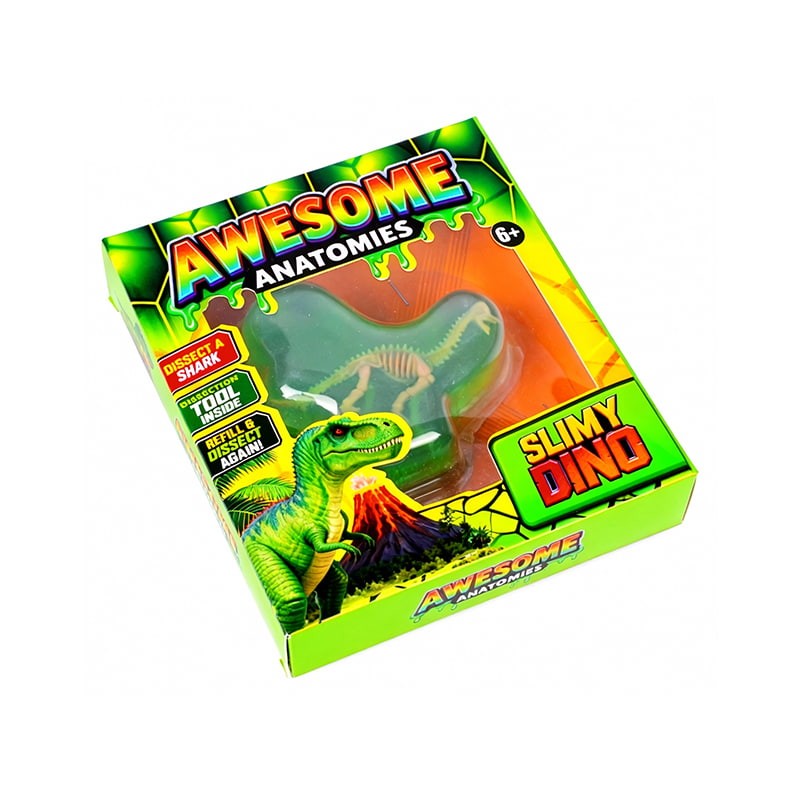
Kids’ Creative DIY Kits
Product Name DINOSAUR JELLY GLUE Quantity per Box 24PCS Item Number DGJ-20004 ...View More -
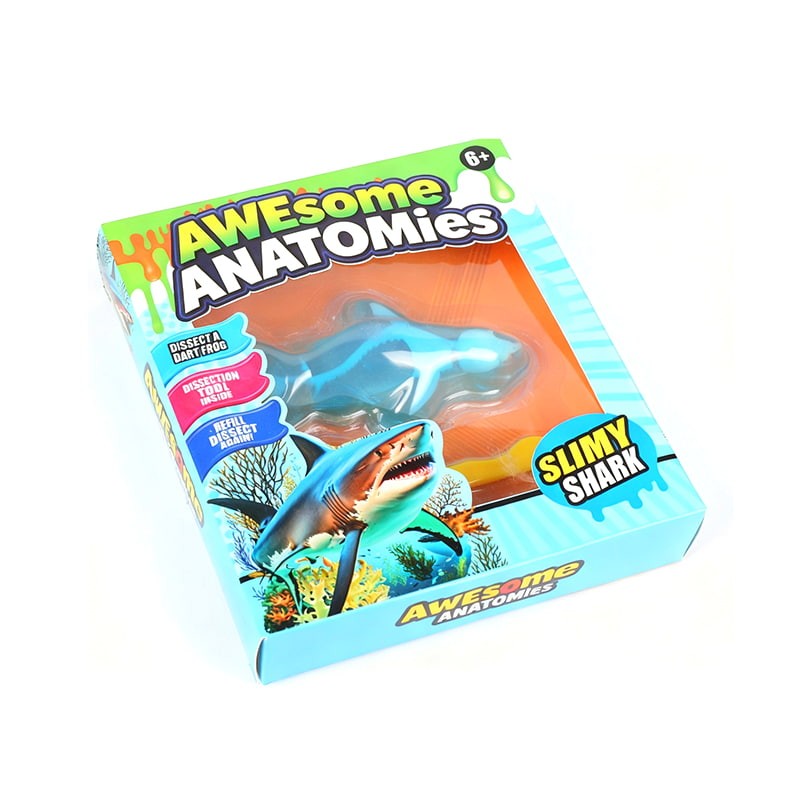
Kids’ Creative DIY Kits
Product Name JELLY GLUE Quantity per Box 48PCS Item Number DGJ-20005 Net We...View More -
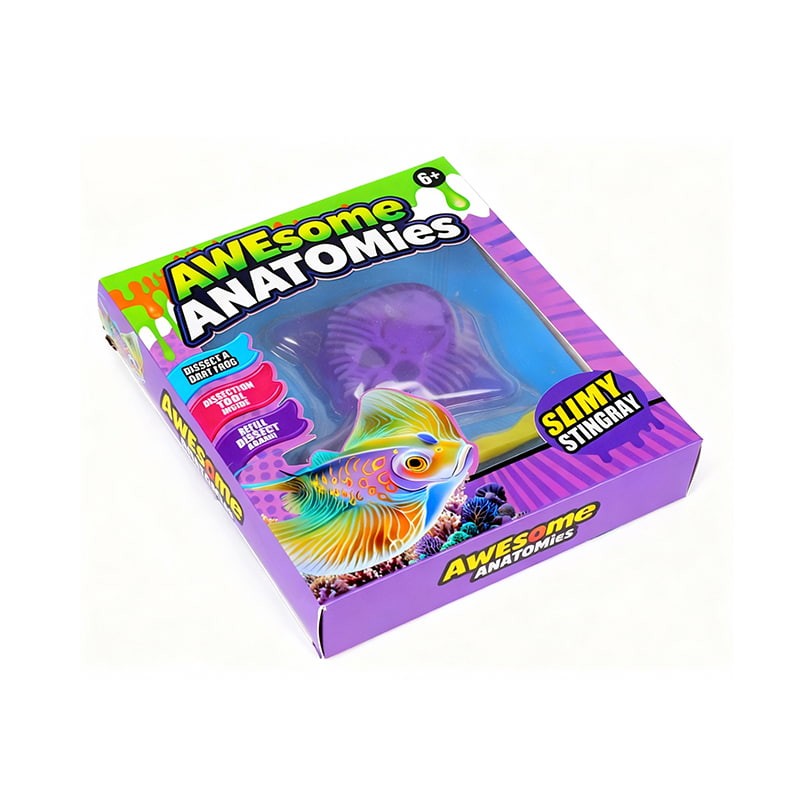
Kids’ Creative DIY Kits
Product Name JELLY GLUE Quantity per Box 48PCS Item Number DGJ-20006 Net We...View More -
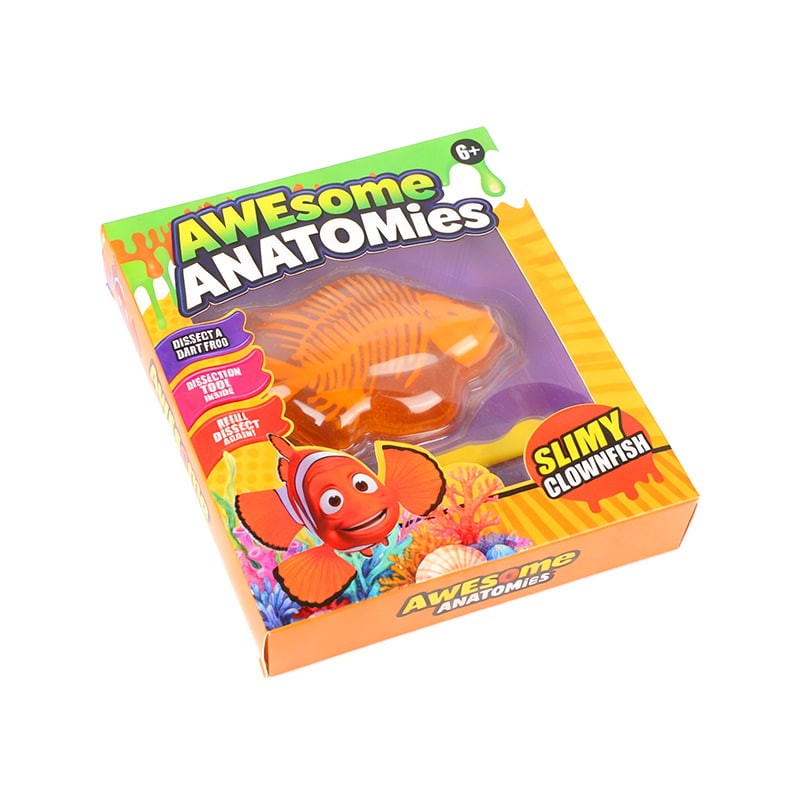
Kids’ Creative DIY Kits
Product Name JELLY GLUE Quantity per Box 48PCS Item Number DGJ-20007 Net We...View More -
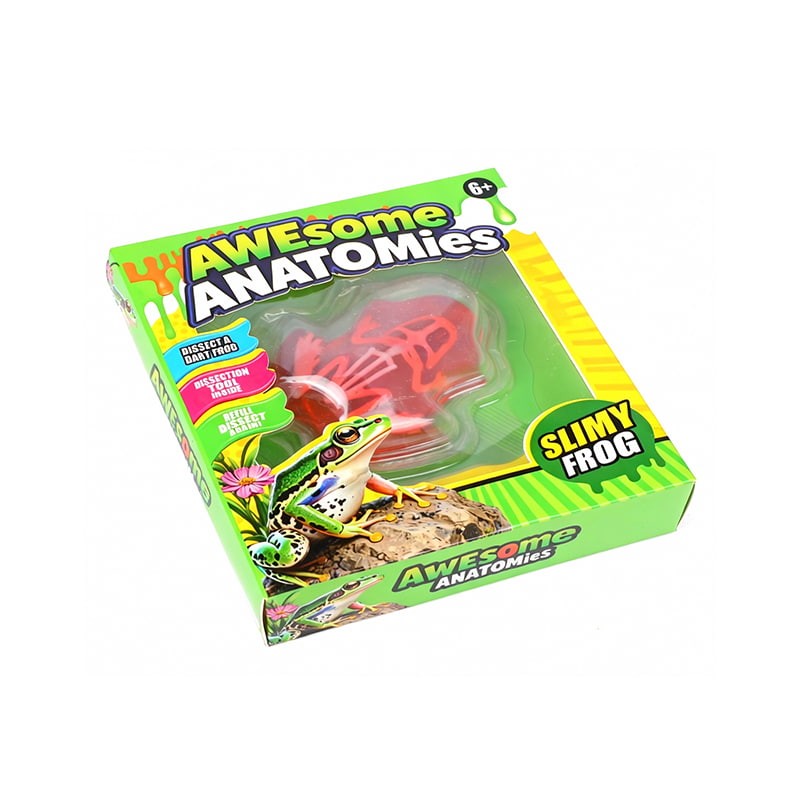
Kids’ Creative DIY Kits
Product Name JELLY GLUE Quantity per Box 48PCS Item Number DGJ-20008 Net We...View More -
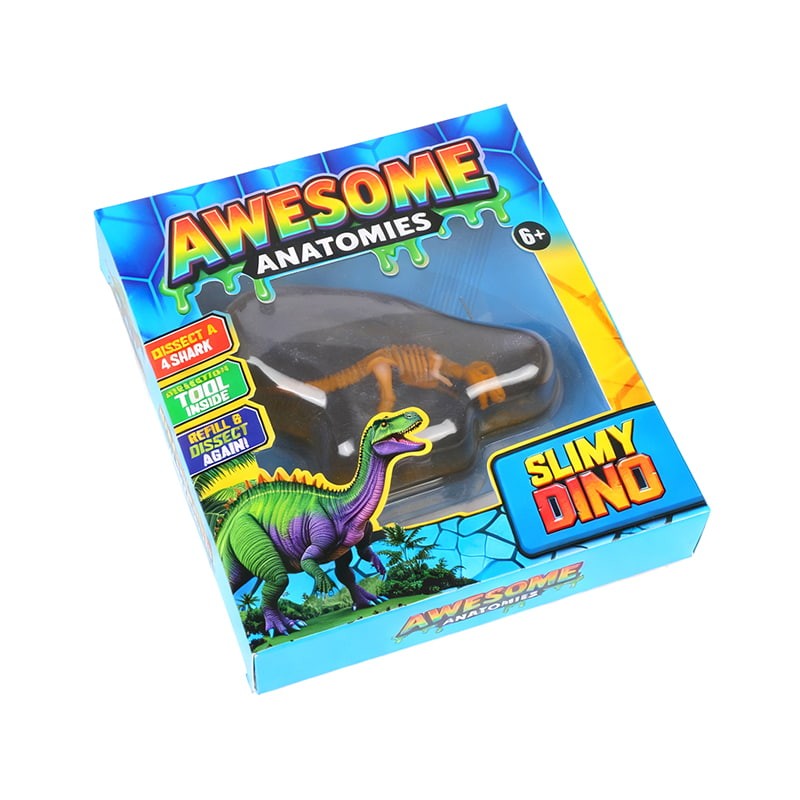
Kids’ Creative DIY Kits
Product Name DINOSAUR JELLY GLUE Quantity per Box 48PCS Item Number DGJ-20001 ...View More


- Product Category
- Kids’ Creative DIY Kits
- Modelling Dough Kit
- Squirmy Worms Sensory Toy
- Kinetic Sand
- Slime
- Snow Foam Clay
- Color Modeling Clay
- All Categories
- Contact Us
-
-
No. 1399, Jinguang Avenue, Fucheng Town, Jindong District, Jinhua City, Yiwu City, China

-
[email protected]

[email protected] -
+86-579-85172625

-