English
  русский
  Español
Industry News
Sensory Play Trends: Exploring Worm Sand for Stress Relief
Content
Ultra-Light Clay and Worm Sand are being increasingly introduced into sensory play setups, especially in environments focused on tactile interaction and relaxation-based activities. Ultra-Light Clay provides a soft shaping base that supports structured modeling, while Worm Sand introduces a granular texture that can be poured, pressed, and reshaped repeatedly. Their combined use is gradually becoming part of modern sensory crafting routines.
Why Sensory Materials Are Getting More Attention
Daily routines in school, office, and home environments often involve long periods of screen exposure and repetitive tasks, which can reduce opportunities for hands-on sensory interaction. As a result, materials that allow touch-based engagement are being included in recreational and educational spaces to support varied forms of activity.
Worm Sand has gained attention in this context because of its loose, flowing structure. It can be compressed into shapes but also breaks apart smoothly when handled, creating a continuous cycle of forming and reforming. Ultra-Light Clay, when paired with it, adds structure and helps maintain partial form stability in mixed sensory setups.
In many cases, sensory play is not focused on producing a fixed result but on the process of interaction itself. The combination of these two materials supports that process by offering different textures and resistance levels within the same activity.
Material Behavior and Structural Adjustments
Ultra-Light Clay has a soft and elastic texture that allows users to shape simple or detailed forms without requiring complex tools. It can be stretched, folded, and pressed into different forms while maintaining a light structure after shaping.
Worm Sand behaves differently due to its granular composition. It flows through fingers, shifts easily under pressure, and can be reshaped repeatedly without sticking together permanently. This makes it suitable for repetitive tactile interaction, especially in stress-relief or sensory exploration activities.
When used together, these materials create a layered experience. A clay base can provide structure while Worm Sand is applied on surfaces or within cavities to introduce texture variation. This combination is often used in sensory kits, classroom learning tools, and home relaxation setups.
Key material differences:
|
Material |
Texture Type |
Handling Behavior |
Typical Role |
|
Ultra-Light Clay |
Soft, elastic |
Holds shape after modeling |
Structural base |
|
Worm Sand |
Granular, flowing |
Easily reshaped repeatedly |
Sensory texture |
|
Combined Use |
Mixed texture |
Adjustable interaction |
Layered sensory design |
This structure allows users to shift between controlled shaping and free-form interaction within a single activity.
Practical Uses in Sensory and Relaxation Activities
Worm Sand is commonly used in sensory trays, relaxation boxes, and interactive play stations. Its ability to shift easily under touch makes it suitable for repetitive hand movement activities, which are often used in calm-down routines or focus-based exercises.
Ultra-Light Clay is used alongside it to create defined shapes or boundaries within these sensory setups. For example, clay can be used to form containers, miniature objects, or barriers that hold or guide the movement of Worm Sand.
Typical usage scenarios include:
- Classroom sensory activity stations
- Home-based tactile relaxation kits
- Early learning exploration tools
- Craft-based stress relief exercises
- Simple interactive modeling exercises
In structured activities, users often begin by forming basic shapes with Ultra-Light Clay and then introduce Worm Sand to interact with or fill these shapes. This approach creates a balance between control and free movement, which is often preferred in sensory play design.
Observed Activity Patterns and User Interaction Notes
In group-based sensory sessions, Worm Sand tends to encourage repeated hand movement, where users press, lift, and release the material multiple times. This repetitive interaction is often maintained for several minutes without a fixed end goal, indicating its suitability for open-ended activity design.
In a classroom observation involving mixed-age participants, a setup combining Ultra-Light Clay structures with Worm Sand filling showed consistent engagement across a 30–45 minute activity window. Participants adjusted sand placement around clay shapes multiple times, modifying both texture and form during the session.
A simplified breakdown of interaction behavior:
|
Activity Type |
Observed Interaction |
Common Adjustment |
|
Sand pressing |
Repeated compression and release |
Changing pressure levels |
|
Clay shaping |
Formation of basic structures |
Adjusting shape edges |
|
Combined use |
Layering and refilling |
Switching between materials |
These interaction patterns suggest that users often move between structured shaping and free-form tactile engagement during the same session.
Role in Modern Sensory Material Development
Sensory materials are increasingly designed to support flexible usage rather than fixed outcomes. Worm Sand fits into this trend by offering a material that responds continuously to touch without requiring reshaping tools or external processing.
Ultra-Light Clay complements this by providing structural boundaries and shaping possibilities. Together, they support mixed sensory environments where both control and randomness are part of the experience.
NEXT:Eco Crafting Ideas: Using Ultra-Light Clay for DIY Projects
-
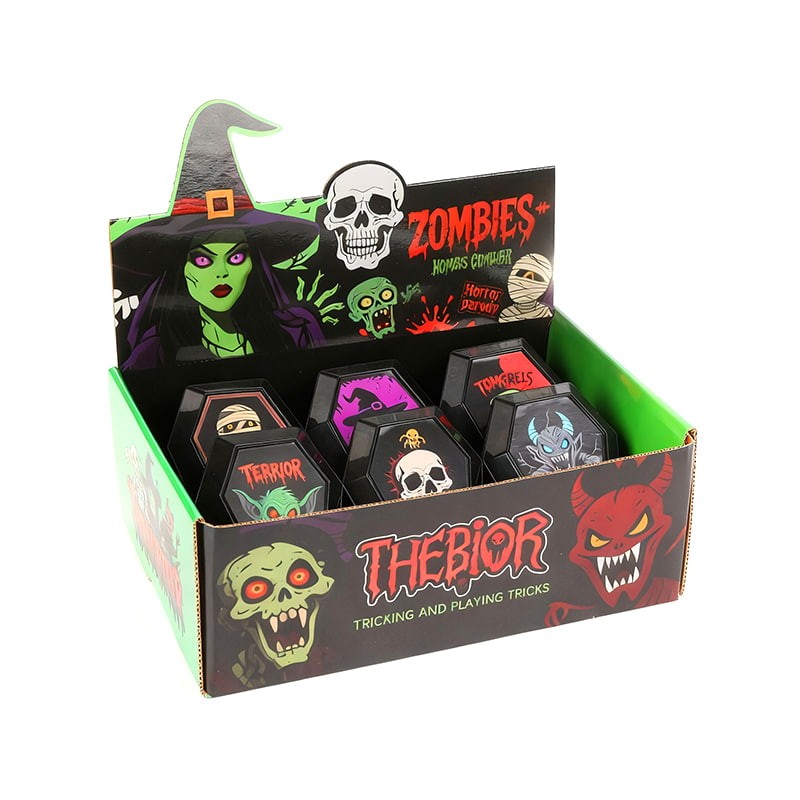
Kids’ Creative DIY Kits
Product Name SLIME Quantity per Box 4X6PCS Item Number SLM-1001 Net Weight ...View More -
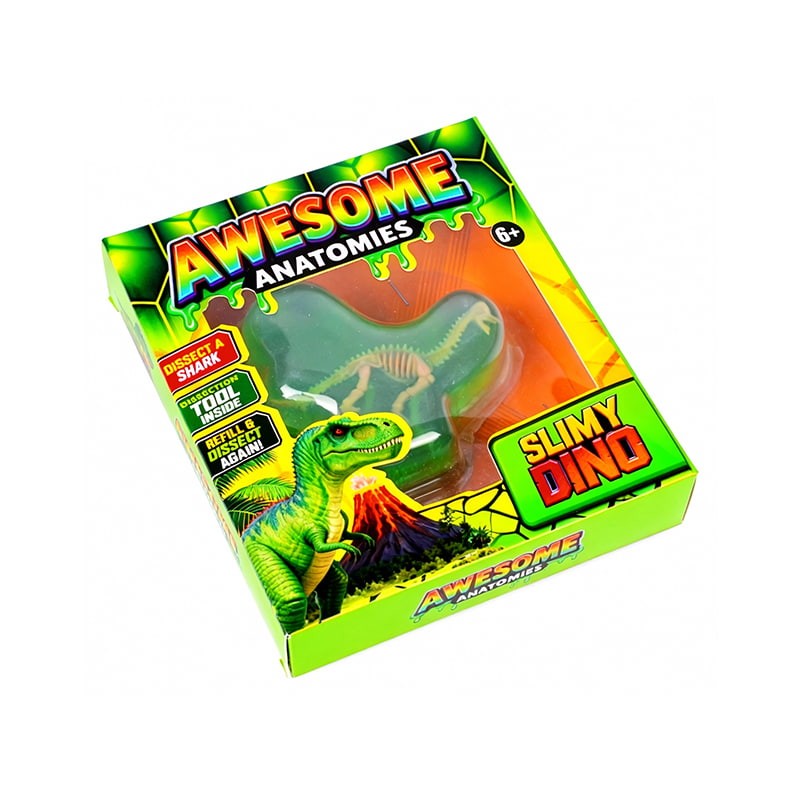
Kids’ Creative DIY Kits
Product Name DINOSAUR JELLY GLUE Quantity per Box 24PCS Item Number DGJ-20004 ...View More -
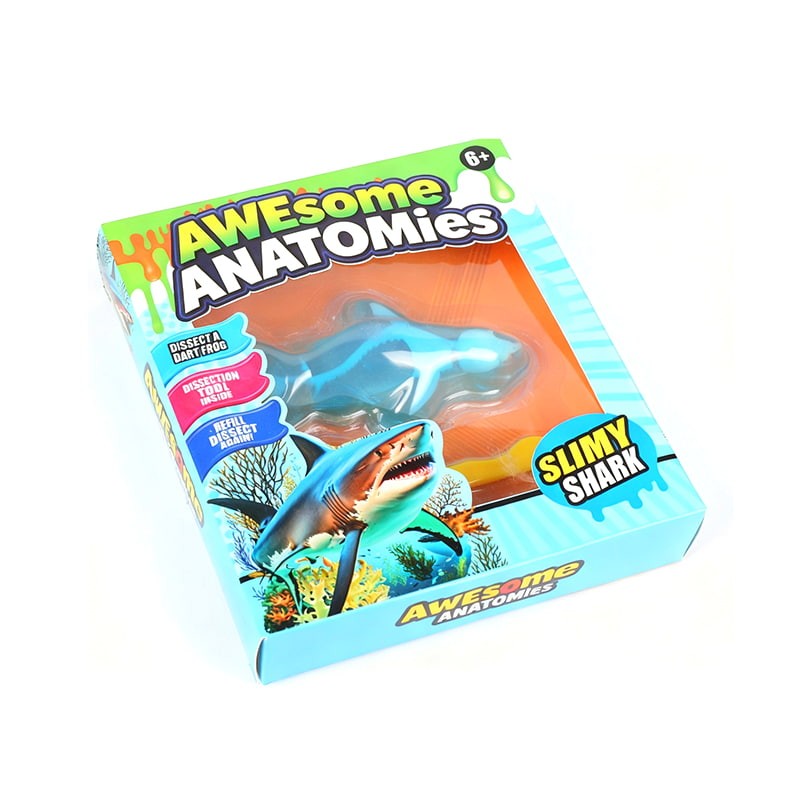
Kids’ Creative DIY Kits
Product Name JELLY GLUE Quantity per Box 48PCS Item Number DGJ-20005 Net We...View More -
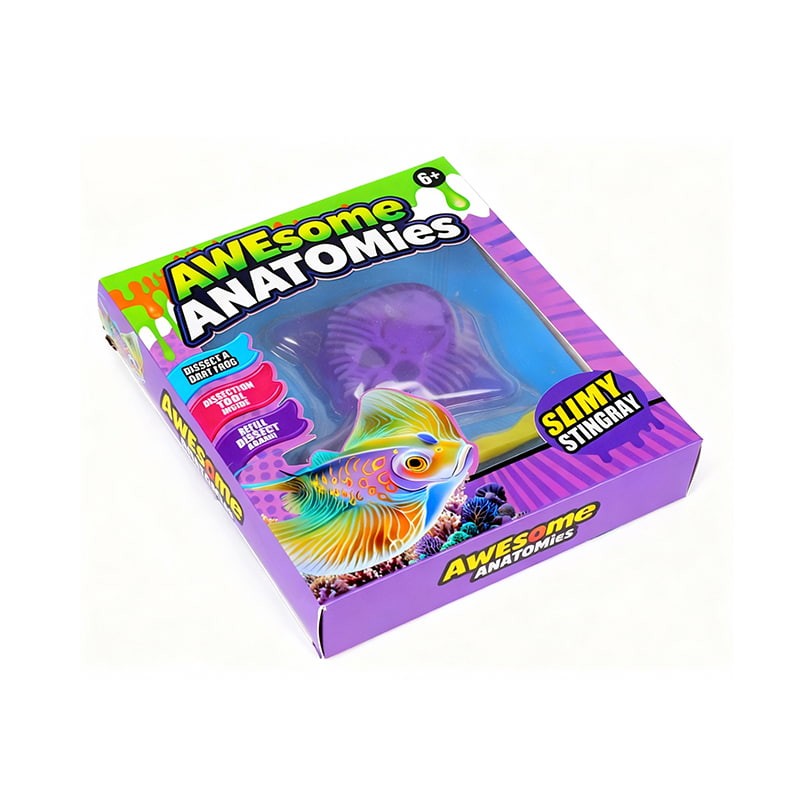
Kids’ Creative DIY Kits
Product Name JELLY GLUE Quantity per Box 48PCS Item Number DGJ-20006 Net We...View More -
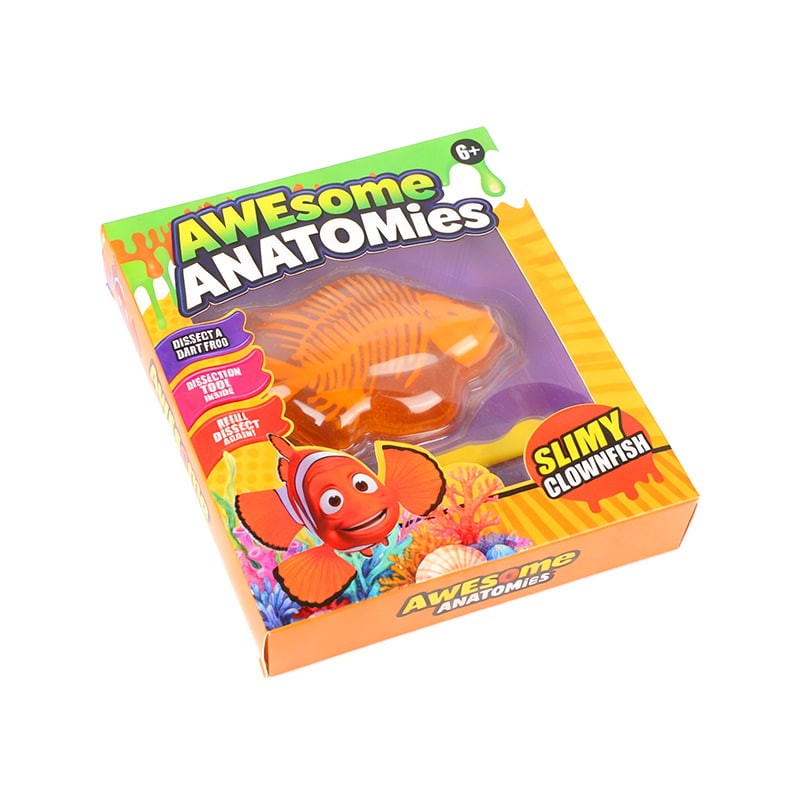
Kids’ Creative DIY Kits
Product Name JELLY GLUE Quantity per Box 48PCS Item Number DGJ-20007 Net We...View More -
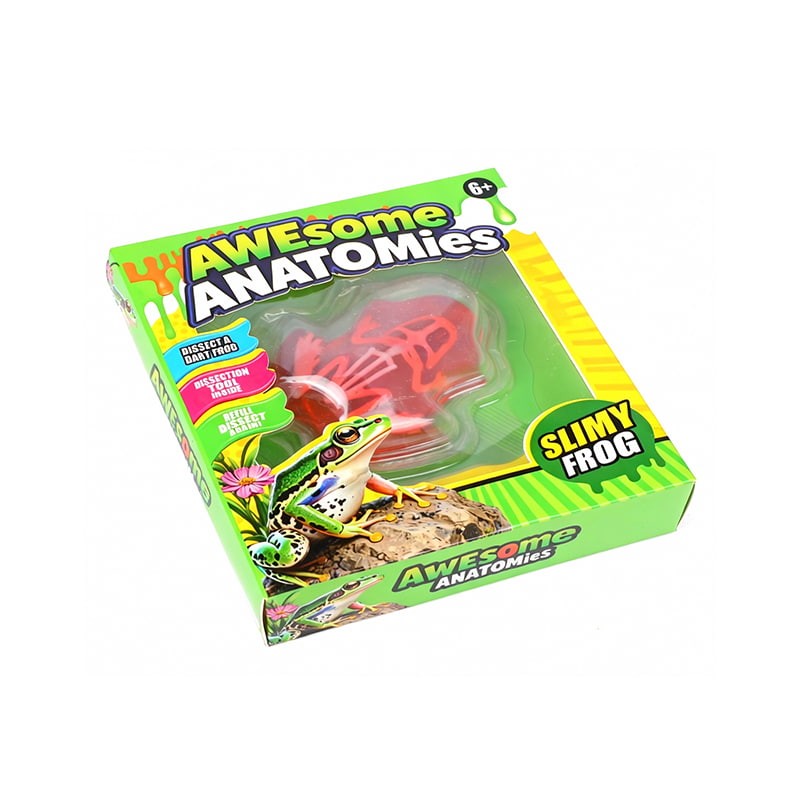
Kids’ Creative DIY Kits
Product Name JELLY GLUE Quantity per Box 48PCS Item Number DGJ-20008 Net We...View More -
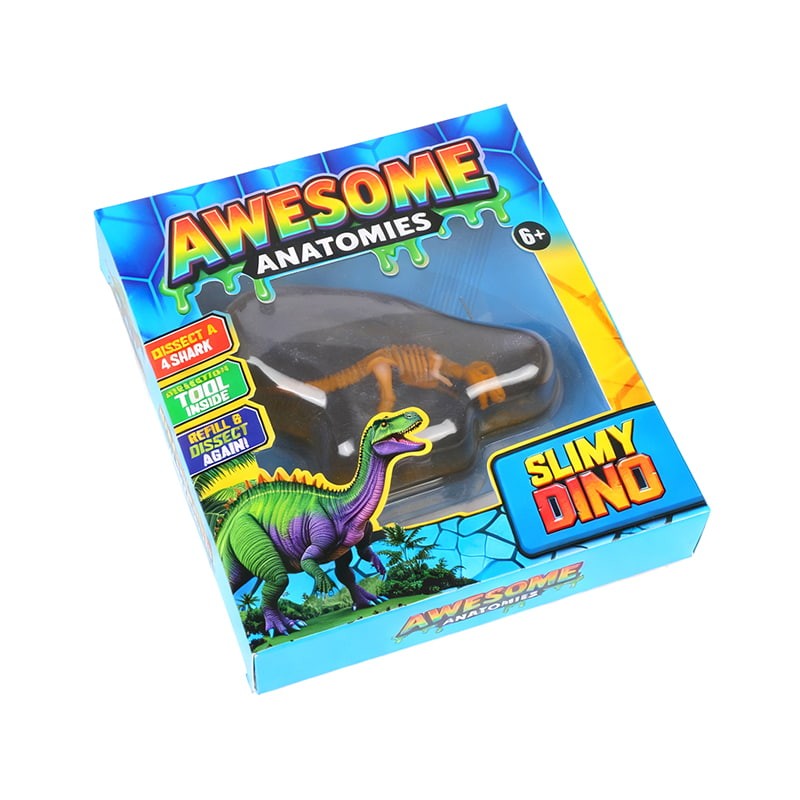
Kids’ Creative DIY Kits
Product Name DINOSAUR JELLY GLUE Quantity per Box 48PCS Item Number DGJ-20001 ...View More

- Product Category
- Kids’ Creative DIY Kits
- Modelling Dough Kit
- Squirmy Worms Sensory Toy
- Kinetic Sand
- Slime
- Snow Foam Clay
- Color Modeling Clay
- All Categories
- Contact Us
-
-
No. 1399, Jinguang Avenue, Fucheng Town, Jindong District, Jinhua City, Yiwu City, China

-
[email protected]

[email protected] -
+86-579-85172625

-