English
  русский
  Español
Industry News
Eco Crafting Ideas: Using Ultra-Light Clay for DIY Projects
Content
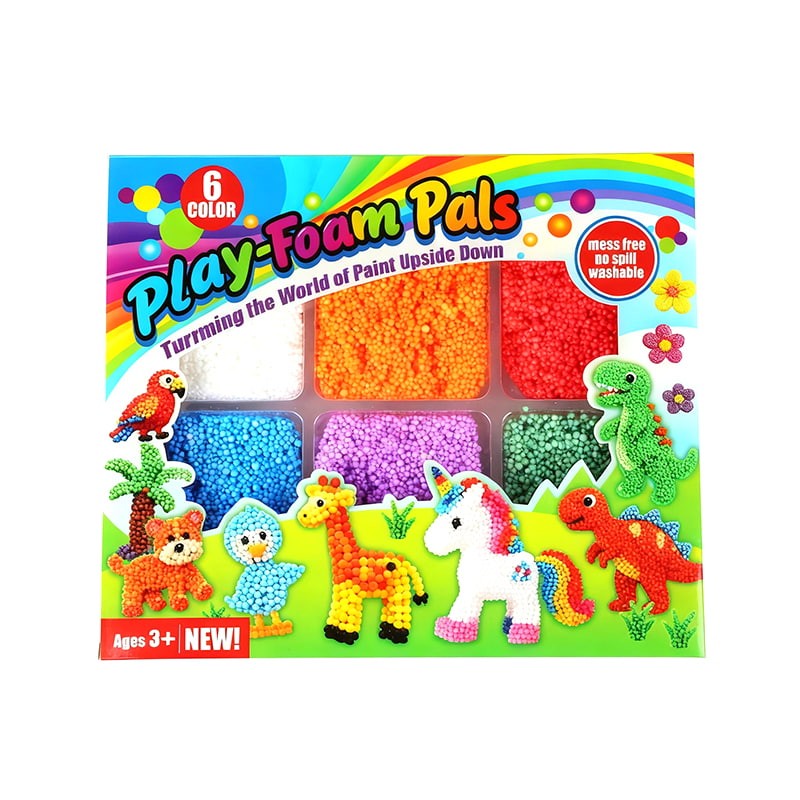
Ultra-Light Clay and Worm Sand are increasingly used in DIY craft activities, especially in home decoration, educational play, and handmade art practice. Ultra-Light Clay offers a soft modeling texture that is easy to shape, while Worm Sand brings a granular, flowing structure that supports sensory exploration and creative layering. Together, they provide flexible material options for different crafting styles and user skill levels.
Background and Crafting Challenges
DIY crafting often depends on materials that are easy to handle, safe for casual use, and suitable for both beginners and experienced hobbyists. However, traditional modeling materials may come with limitations such as heavy texture, slow drying time, or restricted shaping flexibility. In educational environments or home crafting sessions, these factors can affect how smoothly ideas are translated into finished pieces.
Worm Sand introduces a different challenge and opportunity at the same time. Its loose and movable structure makes it interesting for sensory play, but it can be difficult to maintain stable shapes without support materials. Ultra-Light Clay helps address this by providing a stabilizing medium that can be combined with granular textures to form more structured designs.
Material Characteristics and Functional Adjustments
Ultra-Light Clay is known for its lightweight composition and smooth handling experience. It can be stretched, pressed, and shaped into detailed forms without requiring complex tools. After forming, it gradually becomes firmer while maintaining a relatively light structure, which makes it suitable for decorative crafts and model building.
Worm Sand behaves differently due to its granular composition. It flows freely and can be molded temporarily, offering a tactile experience that supports sensory learning and creative experimentation. When combined with Ultra-Light Clay, it becomes possible to create hybrid structures that balance stability and texture variety.
Key characteristics comparison:
|
Material |
Texture |
Stability |
Typical Use |
Interaction Style |
|
Ultra-Light Clay |
Soft, smooth |
Medium after shaping |
Figures, ornaments, models |
Direct molding |
|
Worm Sand |
Granular, flowing |
Low without support |
Sensory play, texture layering |
Pouring, pressing |
|
Combined Use |
Mixed texture |
Adjustable |
Mixed-media crafts |
Layering & shaping |
The combination of these two materials allows users to adjust structure and texture within a single project, supporting more flexible creative outcomes.
Practical Applications in Crafting Projects
Ultra-Light Clay is widely used in handmade decorative objects such as miniature figures, small plant decorations, and themed ornaments. Its soft handling makes it accessible for users who prefer simple shaping without advanced sculpting tools. It also supports color blending, which allows subtle visual variation in finished pieces.
Worm Sand is often used in sensory boxes, educational tools, and interactive craft setups. It encourages tactile engagement and is commonly applied in environments where hands-on exploration is encouraged. When layered with Ultra-Light Clay, it can form base textures for landscapes, creative dioramas, or themed displays.
In combined applications, users may create a clay structure and then embed Worm Sand into selected areas to simulate natural surfaces such as soil, sand paths, or textured backgrounds. This method is frequently used in school projects and hobby-level modeling.
Common application scenarios include:
- DIY home decoration items with mixed textures
- Educational sensory play kits
- Craft-based storytelling models
- Seasonal or themed display scenes
- Beginner-friendly sculpture practice
These applications show how material combination can extend beyond single-medium crafting and support more varied creative approaches.
Usage Observations and Case Notes
In classroom craft sessions, teachers often report that combining Ultra-Light Clay with Worm Sand helps students stay engaged longer during structured activities. The clay provides shape control, while the sand introduces a dynamic texture element that can be adjusted repeatedly.
One observed case involved a group project where students created miniature landscape scenes. Ultra-Light Clay was used to build structural elements like hills and buildings, while Worm Sand was applied to represent ground surfaces. Over a 40-minute activity period, participants were able to adjust both materials multiple times without significant degradation of form, which supported iterative design thinking.
Another informal observation from hobby crafting communities shows that users prefer starting with a clay base before adding Worm Sand layers, as this sequence helps maintain structural clarity. While results vary depending on project design, the combination is often chosen for its balance between control and flexibility.
Material Role in Modern Craft Practices
Crafting practices today increasingly focus on accessibility and adaptability rather than complex tool requirements. Ultra-Light Clay fits into this trend by offering a material that does not require heating or specialized equipment. Worm Sand contributes a sensory dimension that supports experiential crafting and learning-based activities.
Asked Questions (FAQ)
- Can Ultra-Light Clay and Worm Sand be mixed directly?
They can be used together in the same project, but they are usually not fully blended. Instead, Worm Sand is often applied onto or around clay structures to maintain texture differences.
- Does Ultra-Light Clay dry quickly after shaping?
It gradually firms up after exposure to air. The time required depends on thickness and environmental conditions, so thinner shapes generally stabilize faster than thicker ones.
- Is Worm Sand suitable for long-term display projects?
Worm Sand is better suited for controlled environments or sealed displays, as its loose structure can shift if frequently handled.
- What tools are needed for working with Ultra-Light Clay?
Basic tools such as plastic shaping sticks, small rollers, or even household items like spoons can be used. Many users also work directly with hands.
- Can these materials be used in educational activities?
Yes, both materials are commonly used in classroom crafting and sensory learning activities due to their flexible handling and tactile qualities.
NEXT:Exploring Worm Sand’s Role in Sensory Play and Stress Relief
-
Kids’ Creative DIY Kits
Product Name SLIME Quantity per Box 4X6PCS Item Number SLM-1001 Net Weight ...View More -
Kids’ Creative DIY Kits
Product Name DINOSAUR JELLY GLUE Quantity per Box 24PCS Item Number DGJ-20004 ...View More -
Kids’ Creative DIY Kits
Product Name JELLY GLUE Quantity per Box 48PCS Item Number DGJ-20005 Net We...View More -
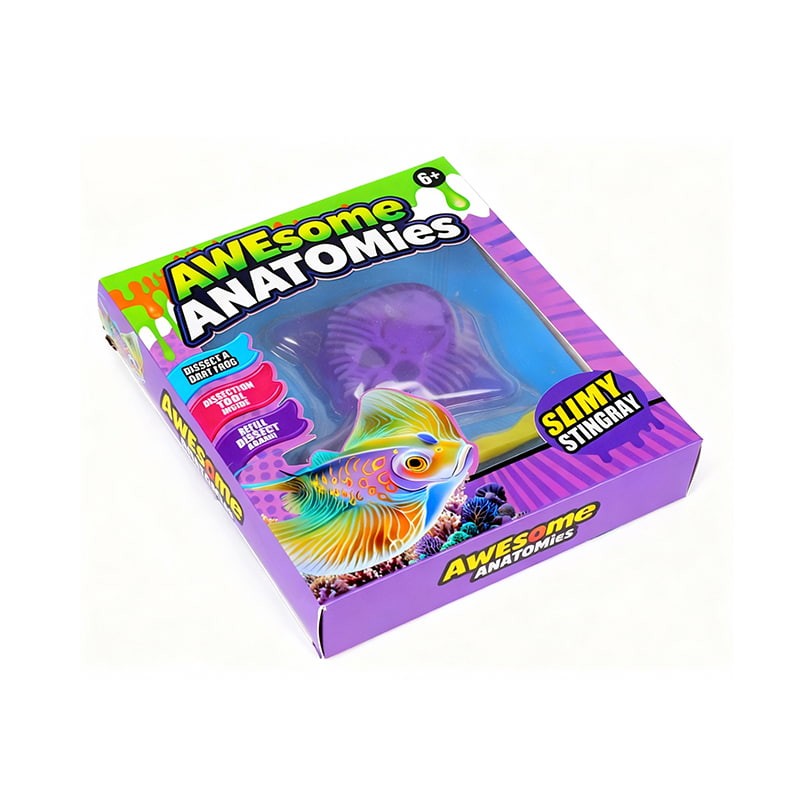
Kids’ Creative DIY Kits
Product Name JELLY GLUE Quantity per Box 48PCS Item Number DGJ-20006 Net We...View More -
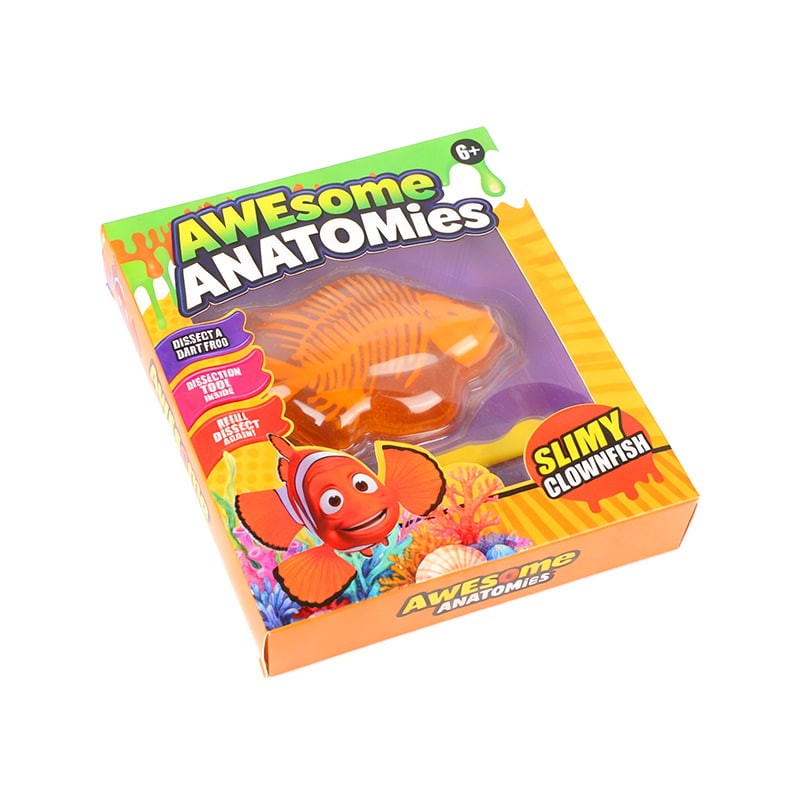
Kids’ Creative DIY Kits
Product Name JELLY GLUE Quantity per Box 48PCS Item Number DGJ-20007 Net We...View More -
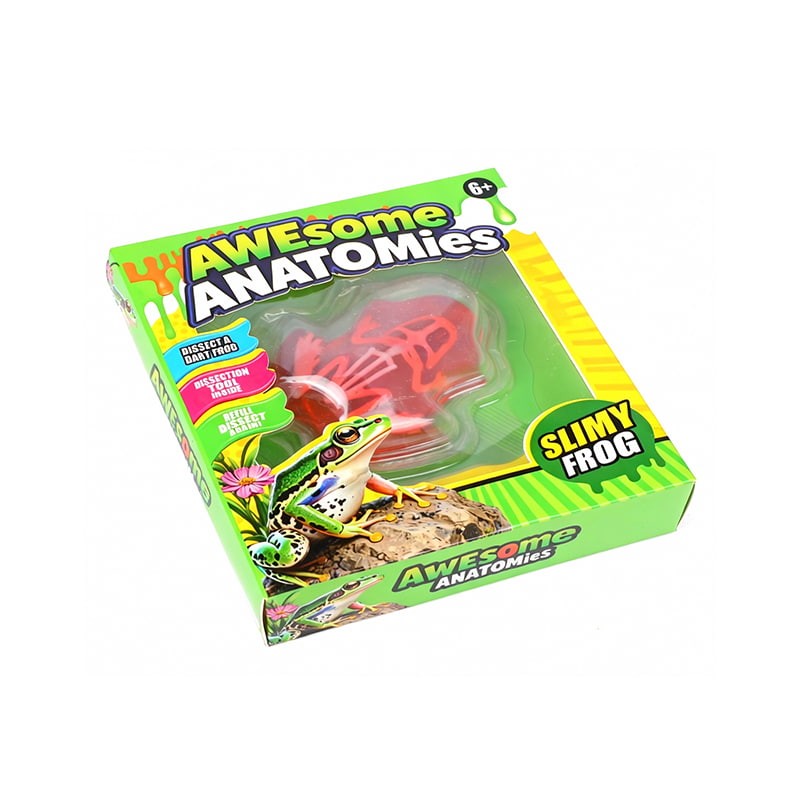
Kids’ Creative DIY Kits
Product Name JELLY GLUE Quantity per Box 48PCS Item Number DGJ-20008 Net We...View More -
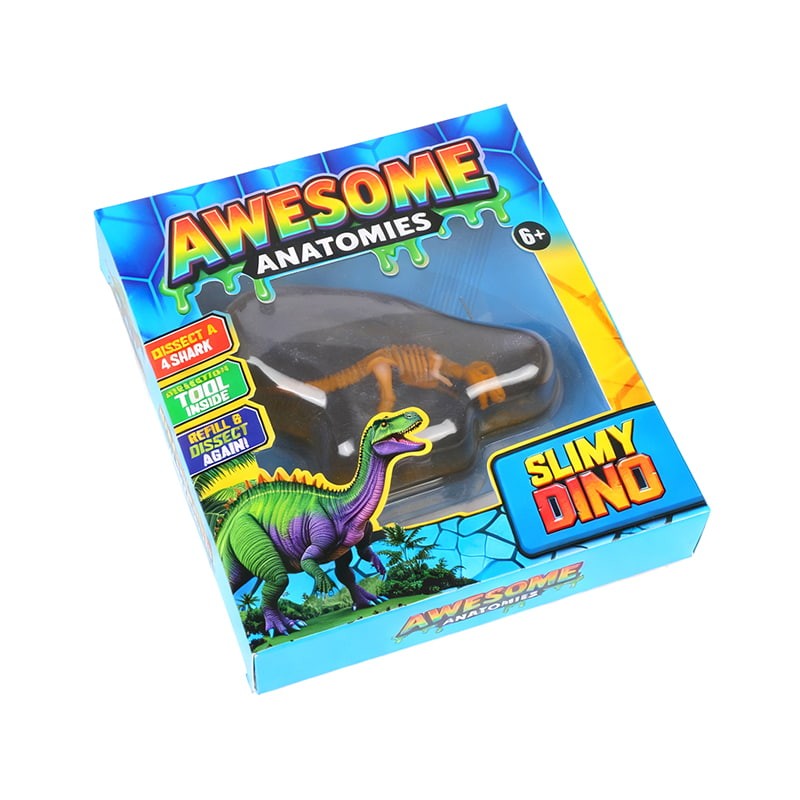
Kids’ Creative DIY Kits
Product Name DINOSAUR JELLY GLUE Quantity per Box 48PCS Item Number DGJ-20001 ...View More


- Product Category
- Kids’ Creative DIY Kits
- Modelling Dough Kit
- Squirmy Worms Sensory Toy
- Kinetic Sand
- Slime
- Snow Foam Clay
- Color Modeling Clay
- All Categories
- Contact Us
-
-
No. 1399, Jinguang Avenue, Fucheng Town, Jindong District, Jinhua City, Yiwu City, China

-
[email protected]

[email protected] -
+86-579-85172625

-