English
  русский
  Español
Industry News
How to Create Textures with Ultra-Light Clay at Home
Content
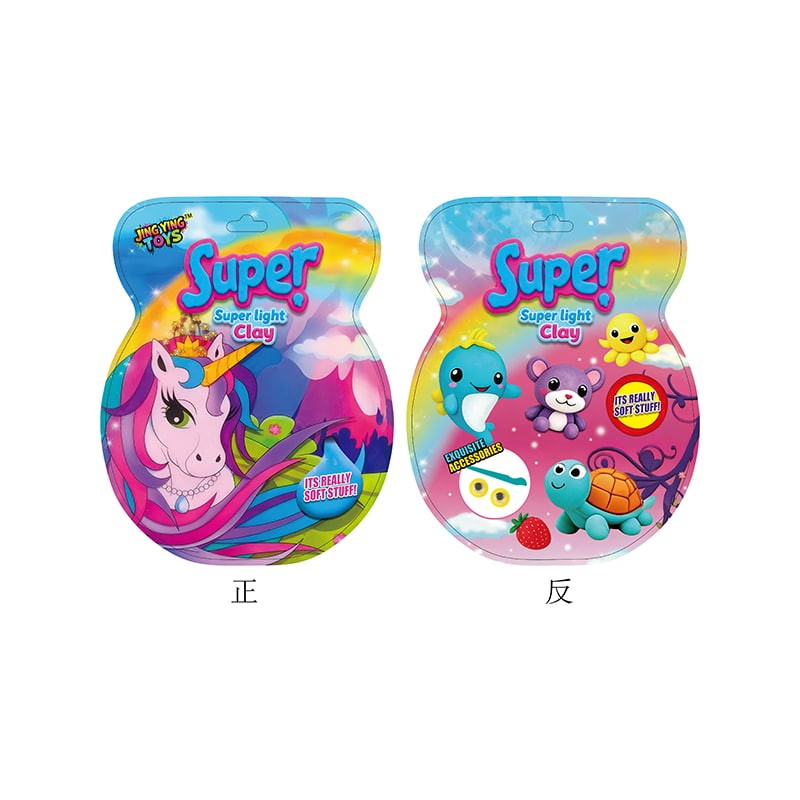
Hands-on crafting often starts with simple materials that allow flexible shaping and surface exploration. Ultra-Light Clay and Worm Sand are frequently used together in home DIY projects where texture development matters more than complex tools, especially when users want to experiment with surface patterns, layering, and tactile effects in a controlled way.
Ultra-Light Clay provides a soft, moldable base that holds form while staying easy to adjust, while Worm Sand introduces granular variation that changes how surfaces feel and look once combined. Working with these two materials at home creates opportunities to explore texture design without requiring specialized equipment or advanced preparation.
Texture Challenges in Home Crafting
Many beginners notice that creating consistent textures on clay surfaces can be difficult. The surface may appear smooth at first but lose definition after drying or handling. Another common issue is uneven grain distribution when mixing additional materials into clay, which affects the final appearance of crafted objects.
Worm Sand, while useful for introducing grain-like patterns, can sometimes separate from the base material if not blended correctly. Ultra-Light Clay, on the other hand, tends to dry with minimal shrinkage, but it may require support to maintain detailed impressions. Balancing both materials becomes important when aiming for stable and repeatable texture results in home environments.
Temperature, humidity, and handling time also influence how these materials behave. A slightly dry environment may cause faster surface setting, while high humidity can slow down texture definition. These variables make texture control a practical learning process rather than a fixed outcome.
Material Interaction and Texture Formation
Ultra-Light Clay and Worm Sand interact in a way that allows users to adjust surface patterns gradually. The clay acts as a structural base, while the sand particles create micro-variations when pressed or blended into the surface. Depending on how deeply the sand is incorporated, the final texture can range from subtle grain effects to more pronounced rough surfaces.
One common method is layering: a base layer of Ultra-Light Clay is shaped, followed by selective application of Worm Sand on specific areas. Another approach involves mixing both materials lightly before shaping, which distributes grain effects more evenly.
Simple texture approaches include:
- Pressing Worm Sand into partially shaped clay surfaces
- Rolling clay over a textured sand surface to transfer patterns
- Mixing small portions of sand for a consistent grain finish
- Using tools such as brushes or stamps after combining materials
These methods do not require precise measurements, allowing flexibility in design outcomes based on user preference.
Application Scenarios in Home Projects
Texture-focused crafting with Ultra-Light Clay and Worm Sand can be applied in various home projects, especially those related to decoration, educational activities, and sensory play. Many users explore these materials when creating small decorative items such as miniature figures, surface panels, or abstract art pieces.
In educational settings, these materials help demonstrate how surface variation works in physical modeling. For sensory-focused activities, the combination of soft clay and granular sand provides different tactile experiences that support hands-on exploration.
Typical use cases include:
- Handmade decorative ornaments with textured surfaces
- DIY model landscapes or miniature terrain bases
- Classroom activities focusing on material behavior
- Sensory boxes designed for touch-based exploration
- Craft practice for surface pattern repetition
These applications highlight how texture control becomes part of the creative process rather than just a finishing step.
Observed Material Behavior in Simple Craft Tests
Informal crafting tests often show how material ratio and handling time influence texture formation. When Ultra-Light Clay is used alone, surfaces remain smooth but may lack variation. When Worm Sand is added in small amounts, texture becomes more visible but still controlled.
The following table summarizes general observations from basic home crafting sessions:
|
Material Combination |
Surface Feel |
Texture Visibility |
Handling Ease |
|
Ultra-Light Clay only |
Smooth |
Low |
Easy |
|
Clay + small Worm Sand |
Slight grain |
Medium |
Moderate |
|
Clay + higher Worm Sand ratio |
Rough grain |
High |
Slightly firm |
|
Layered application |
Mixed surface |
Variable |
Flexible |
These patterns suggest that texture outcomes depend more on application method than on material type alone. Adjusting pressure, timing, and layering technique can change results without altering the base materials.
Why Texture Exploration Matters in Craft Practice
Texture exploration in home crafting is not limited to visual results. It also influences how users understand material response, shaping control, and surface consistency. Working with Ultra-Light Clay and Worm Sand introduces a gradual learning curve where small adjustments cause noticeable differences in final output.
This process supports skill development in material handling, especially for users who are transitioning from simple shaping to more detailed surface design. It also encourages experimentation with layering and blending techniques, which are often used in more advanced crafting or model-making environments.
From a broader perspective, texture-based crafting reflects a shift toward more interactive and sensory-focused creative activities. Materials that respond easily to touch and adjustment allow users to refine their approach through repetition rather than rigid instruction.
NEXT:Sensory Play Trends: Exploring Worm Sand for Stress Relief
-
Kids’ Creative DIY Kits
Product Name SLIME Quantity per Box 4X6PCS Item Number SLM-1001 Net Weight ...View More -
Kids’ Creative DIY Kits
Product Name DINOSAUR JELLY GLUE Quantity per Box 24PCS Item Number DGJ-20004 ...View More -
Kids’ Creative DIY Kits
Product Name JELLY GLUE Quantity per Box 48PCS Item Number DGJ-20005 Net We...View More -
Kids’ Creative DIY Kits
Product Name JELLY GLUE Quantity per Box 48PCS Item Number DGJ-20006 Net We...View More -
Kids’ Creative DIY Kits
Product Name JELLY GLUE Quantity per Box 48PCS Item Number DGJ-20007 Net We...View More -
Kids’ Creative DIY Kits
Product Name JELLY GLUE Quantity per Box 48PCS Item Number DGJ-20008 Net We...View More -
Kids’ Creative DIY Kits
Product Name DINOSAUR JELLY GLUE Quantity per Box 48PCS Item Number DGJ-20001 ...View More


- Product Category
- Kids’ Creative DIY Kits
- Modelling Dough Kit
- Squirmy Worms Sensory Toy
- Kinetic Sand
- Slime
- Snow Foam Clay
- Color Modeling Clay
- All Categories
- Contact Us
-
-
No. 1399, Jinguang Avenue, Fucheng Town, Jindong District, Jinhua City, Yiwu City, China

-
[email protected]

[email protected] -
+86-579-85172625

-