English
  русский
  Español
Industry News
Kids Learning Activities: Building Worm Sand Creative Playsets
Content
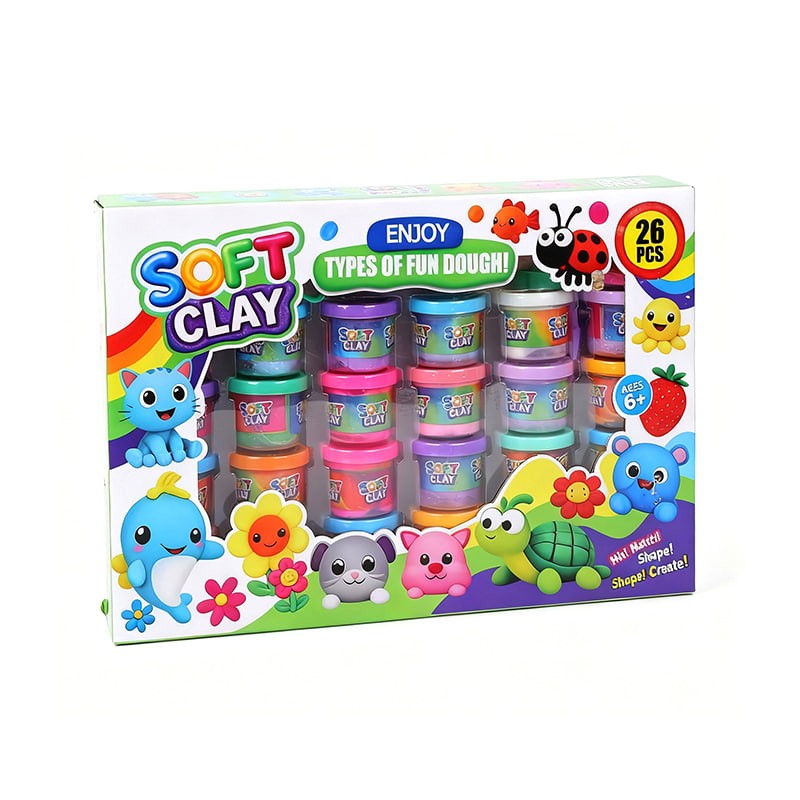
Ultra-Light Clay and Worm Sand are often used together in kids’ learning activities where hands-on construction and sensory exploration are part of the play experience. When children build Worm Sand creative playsets, Ultra-Light Clay serves as a shaping base while Worm Sand introduces surface variation that supports more detailed and layered construction ideas.
These materials are commonly introduced in home learning environments and classroom craft sessions because they allow children to build structures, experiment with textures, and adjust designs without complex tools or strict steps. The focus tends to stay on exploration, observation, and repeated trying rather than fixed outcomes.
Why Texture-Based Learning Needs More Flexible Materials
Children often start creative activities with simple shaping tasks, but challenges appear when they try to add detail or recreate real-world surfaces. Traditional clay alone can feel too uniform, making it difficult to show variation such as rough ground, sand paths, or layered terrain. On the other hand, loose granular materials without a stable base can shift too easily, causing structures to lose form during play.
Another common issue is maintaining engagement during longer activities. If materials are too rigid or too unstable, children may lose interest quickly because the building process becomes either too restricted or too unpredictable. Balancing structure and flexibility becomes an important part of designing learning-focused playsets.
In this context, combining Ultra-Light Clay with Worm Sand creates a more adaptable setup where children can build a stable base and still introduce texture changes at different stages of construction.
How Material Interaction Shapes Creative Playsets
Ultra-Light Clay provides a soft modeling base that holds shape while remaining easy to reshape. This makes it suitable for building foundational elements like walls, terrain blocks, or character figures. Worm Sand, with its granular structure, adds surface detail that can simulate soil, rocky ground, or uneven landscape effects.
When used together, the interaction is typically guided by three simple approaches:
- Layering method: Clay is shaped, then Worm Sand is gently pressed onto selected areas to create texture zones
- Mixing method: Small amounts of Worm Sand are blended into clay to produce a more uniform grain effect
- Surface transfer method: Clay is pressed onto sand textures to capture patterns on its surface
These methods allow children to adjust how detailed or simple their playsets become without needing precise measurements or advanced techniques. The materials respond to pressure and placement, which supports trial-and-adjust learning.
Designing Learning Playsets at Home or in Classrooms
Worm Sand creative playsets are often built around familiar themes such as mini landscapes, small villages, or imaginative terrain scenes. Ultra-Light Clay forms the structural parts, while Worm Sand defines surface variation that makes the scene more visually layered.
Common playset ideas include small desert environments, garden scenes, or fictional terrain maps. Children can create flat bases and then add raised sections using clay, followed by applying sand textures to differentiate areas such as paths, hills, or water edges.
A simple breakdown of playset elements:
|
Playset Element |
Material Use |
Learning Focus |
|
Base ground |
Ultra-Light Clay |
Shape stability and structure |
|
Elevated areas |
Ultra-Light Clay |
Spatial building and layering |
|
Surface texture |
Worm Sand |
Texture recognition and variation |
|
Detail zones |
Mixed application |
Design control and observation |
In group activities, children often divide roles such as building base structures or applying texture layers, which introduces basic collaboration skills while working on a shared model.
Observations from Practical Learning Sessions
In structured and semi-structured learning environments, educators and parents often notice differences in how children interact with combined materials versus single-material setups. With Ultra-Light Clay alone, play tends to focus on shaping and object creation. When Worm Sand is introduced, attention shifts toward surface detail and environmental storytelling.
A typical classroom activity might involve building a small landscape within 30–45 minutes. During early stages, children focus on forming clay shapes. In later stages, they begin adding sand textures to distinguish areas and create contrast between different parts of the playset.
A simple observation summary:
- Children tend to spend more time refining surfaces when Worm Sand is available
- Layered materials encourage repeated adjustments instead of single-step completion
- Group discussion increases when different texture zones are introduced
- Visual storytelling becomes more detailed with mixed-material environments
These patterns suggest that texture variety supports longer engagement during creative tasks without requiring additional instructions.
Learning Value in Material-Based Play
From a learning perspective, Ultra-Light Clay and Worm Sand activities help children understand how materials behave differently under pressure, layering, and blending. Instead of focusing only on final shapes, the process encourages attention to how surfaces change through small adjustments.
This type of play also introduces early spatial thinking, as children decide where to place raised areas, how to separate zones, and how textures affect visual interpretation. These decisions are made through trial and observation, which fits naturally into informal learning environments.
Another aspect is sensory development. The smooth feel of clay compared to the granular texture of Worm Sand creates contrast that helps children distinguish material properties through touch, not just sight.
Typical Learning Setup Overview
A basic Worm Sand creative playset setup often includes simple tools and materials arranged in an accessible workspace:
- Flat base surface (tray or board)
- Ultra-Light Clay in multiple small portions
- Worm Sand for texture layering
- Simple shaping tools (sticks, small rollers, or plastic tools)
- Light water spray (optional for surface control in some setups)
This setup does not require precise preparation, which allows children to begin building quickly and adjust as they work.
NEXT:How to Create Textures with Ultra-Light Clay at Home
-
Kids’ Creative DIY Kits
Product Name SLIME Quantity per Box 4X6PCS Item Number SLM-1001 Net Weight ...View More -
Kids’ Creative DIY Kits
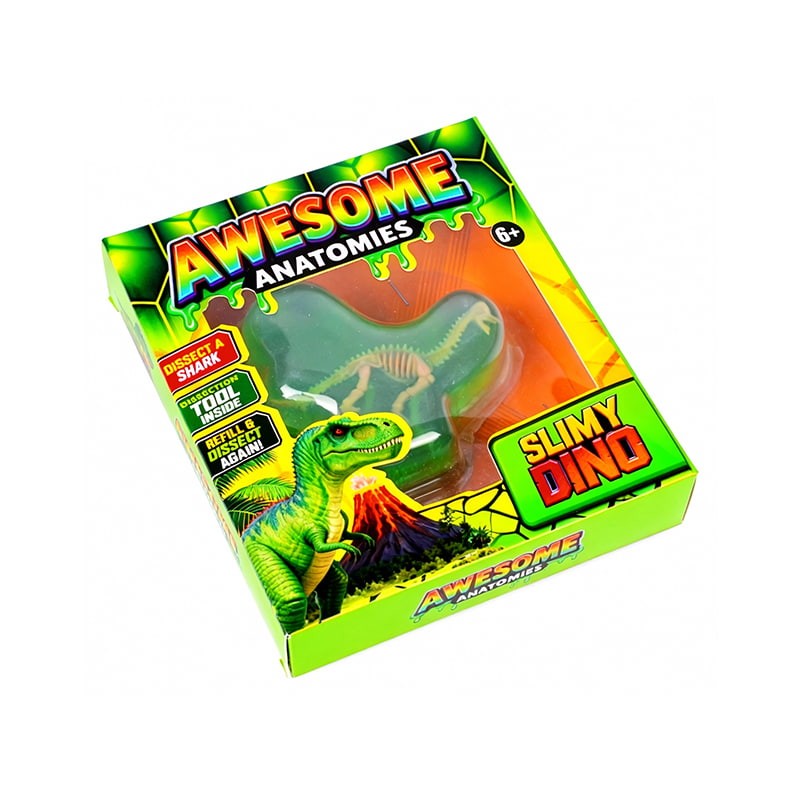
Product Name DINOSAUR JELLY GLUE Quantity per Box 24PCS Item Number DGJ-20004 ...View More -
Kids’ Creative DIY Kits
Product Name JELLY GLUE Quantity per Box 48PCS Item Number DGJ-20005 Net We...View More -
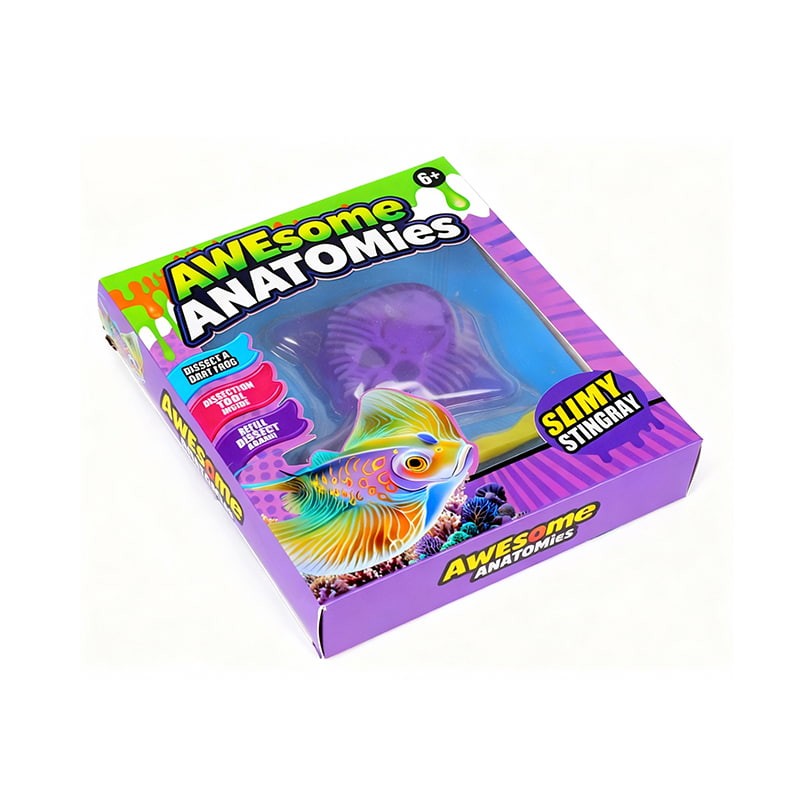
Kids’ Creative DIY Kits
Product Name JELLY GLUE Quantity per Box 48PCS Item Number DGJ-20006 Net We...View More -
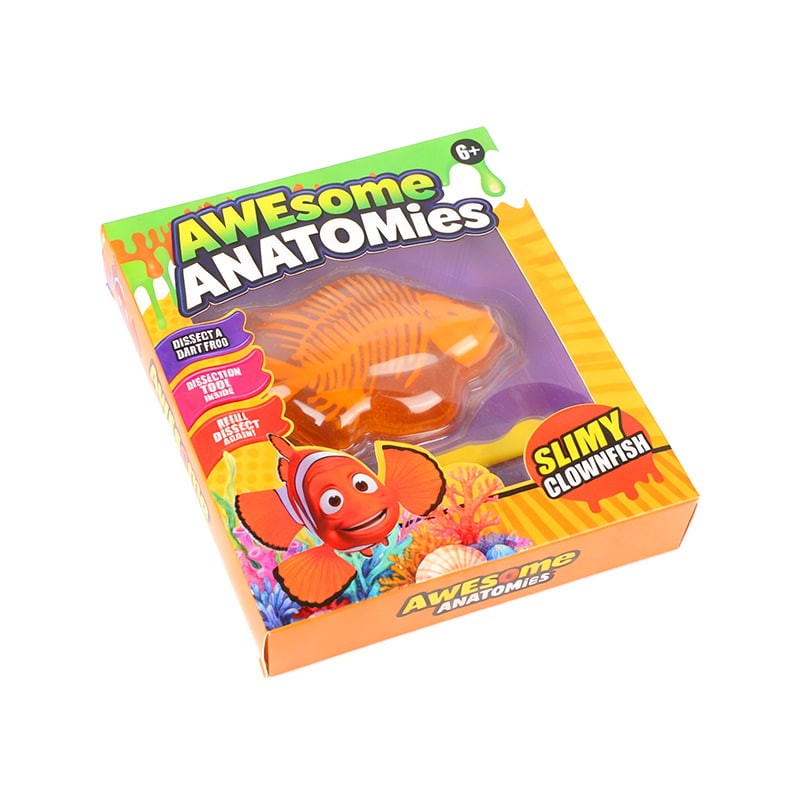
Kids’ Creative DIY Kits
Product Name JELLY GLUE Quantity per Box 48PCS Item Number DGJ-20007 Net We...View More -
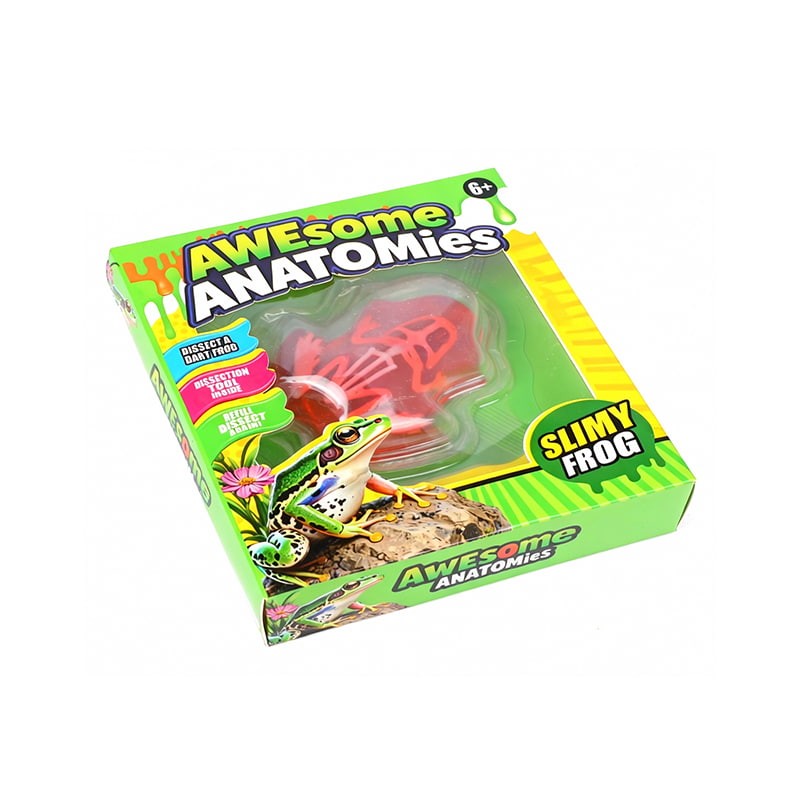
Kids’ Creative DIY Kits
Product Name JELLY GLUE Quantity per Box 48PCS Item Number DGJ-20008 Net We...View More -
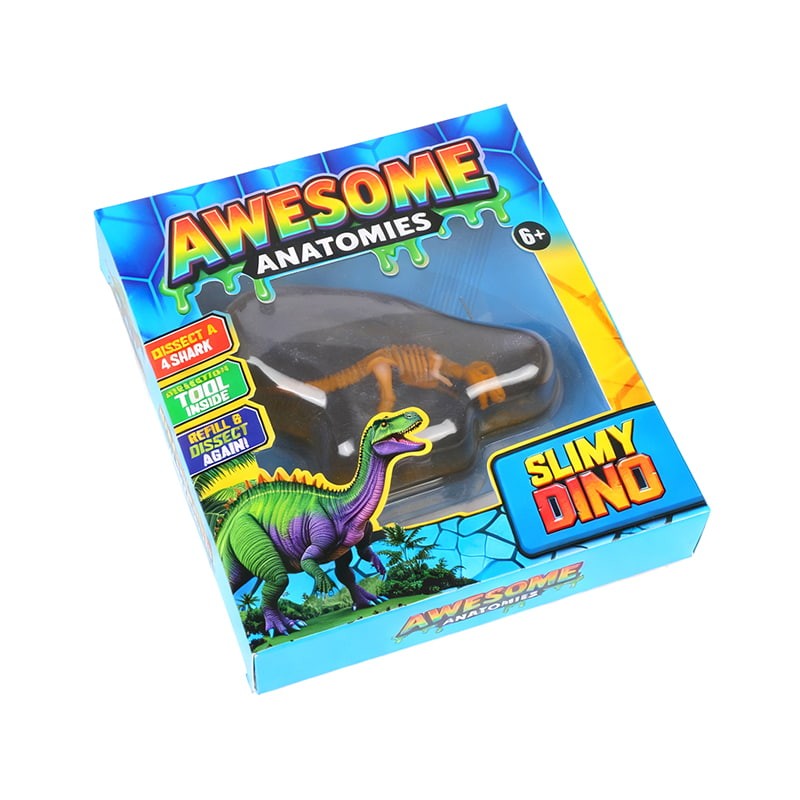
Kids’ Creative DIY Kits
Product Name DINOSAUR JELLY GLUE Quantity per Box 48PCS Item Number DGJ-20001 ...View More


- Product Category
- Kids’ Creative DIY Kits
- Modelling Dough Kit
- Squirmy Worms Sensory Toy
- Kinetic Sand
- Slime
- Snow Foam Clay
- Color Modeling Clay
- All Categories
- Contact Us
-
-
No. 1399, Jinguang Avenue, Fucheng Town, Jindong District, Jinhua City, Yiwu City, China

-
[email protected]

[email protected] -
+86-579-85172625

-