English
  русский
  Español
Industry News
Can Creative Materials Help Address the Growing Demand for Screen-Free Relaxation and Hands-On Learning?
Content
- 1 Digital Fatigue Is Increasing Interest in Hands-On Activities
- 2 Sensory Play Is Becoming More Important in Educational Settings
- 3 Lightweight Modeling Materials Offer Greater Flexibility
- 4 Creative Products Are Expanding Beyond Children's Markets
- 5 Product Safety Remains a Key Purchasing Priority
- 6 Social Media Is Influencing Creative Product Trends
- 7 The Future of Creative Materials Is Centered on Engagement and Versatility
Across global education, toy, craft, and wellness markets, consumers are increasingly looking for products that encourage creativity, tactile engagement, and screen-free activities. Parents, educators, therapy centers, and retailers are paying closer attention to materials that combine entertainment with sensory interaction, particularly as digital fatigue becomes a frequent topic on social media and parenting forums.
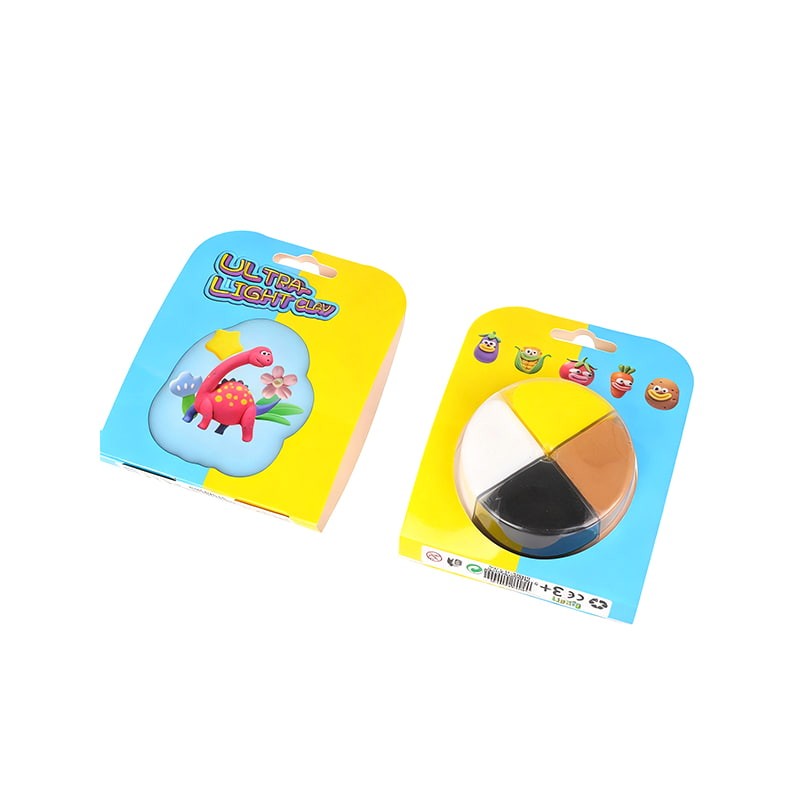
Recent search trends include phrases such as “sensory play materials for children,” “air-dry modeling clay for creative learning,” “stress relief craft products,” and “lightweight clay for DIY projects.” These trends reveal a growing demand for versatile materials that support both creative expression and hands-on engagement across multiple age groups.
Digital Fatigue Is Increasing Interest in Hands-On Activities
As people spend more time using smartphones, tablets, and computers, many consumers are actively seeking alternatives that encourage physical interaction and creativity.
Common concerns include:
- excessive screen exposure among children
- reduced hands-on learning opportunities
- difficulty finding engaging offline activities
- growing demand for creative family experiences
This shift has encouraged retailers and educational suppliers to expand their range of sensory and craft-based products.
Sensory Play Is Becoming More Important in Educational Settings
Educators increasingly recognize that tactile activities can help children explore shapes, textures, and creative concepts through direct interaction.
Popular applications include:
- classroom creative projects
- art and craft activities
- early childhood learning environments
- group-based creative workshops
Materials that are easy to shape, lightweight, and suitable for repeated creative use are becoming preferred choices in many educational settings.
Lightweight Modeling Materials Offer Greater Flexibility
Traditional modeling materials can sometimes be difficult for younger users to manipulate. Lightweight alternatives provide a more accessible experience while allowing users to create detailed designs.
Key benefits valued by buyers include:
- easy molding and shaping
- reduced hand fatigue during extended use
- suitability for different skill levels
- convenient transportation and storage
This flexibility makes lightweight creative materials attractive for schools, hobby stores, and activity centers.
Creative Products Are Expanding Beyond Children's Markets
While children's crafts remain a major application, creative modeling materials are increasingly used by teenagers, hobbyists, and adults seeking recreational activities.
Growing user groups include:
- DIY enthusiasts
- craft content creators
- hobby clubs and workshops
- individuals seeking relaxing creative activities
This broader audience is helping expand demand across multiple retail channels.
Product Safety Remains a Key Purchasing Priority
Parents, schools, and distributors pay close attention to product safety when selecting creative materials. Buyers increasingly request products manufactured according to recognized quality and safety standards.
Important purchasing considerations include:
- Common Evaluation Factors
- smooth and easy-to-handle texture
- suitability for classroom and home use
- consistent material quality
- reliable packaging and storage performance
- stable performance during transportation and distribution
Manufacturers that maintain strict quality control processes are often preferred by international buyers.
Social Media Is Influencing Creative Product Trends
Platforms focused on DIY projects, family activities, and creative content have significantly increased awareness of modeling and sensory materials. Short-form video content often showcases unique crafting techniques, decorative projects, and creative challenges.
This has led to growing interest in:
- customizable craft projects
- decorative handmade creations
- educational activity kits
- sensory-based recreational products
As consumers look for new creative experiences, innovative materials continue to gain visibility.
The Future of Creative Materials Is Centered on Engagement and Versatility
As demand for hands-on activities continues to grow, buyers are seeking products that combine creativity, accessibility, and broad application potential. Materials that support education, recreation, and sensory engagement are expected to remain important across global markets.
For this reason, products such as Decompression Mud are gaining attention among retailers, educators, and wellness-focused buyers looking for engaging tactile experiences. At the same time, Ultra-Light Clay continues to attract interest from schools, craft suppliers, and hobby markets seeking lightweight, versatile, and user-friendly materials for creative projects and hands-on learning activities.
NEXT:Kids Learning Activities: Building Worm Sand Creative Playsets
-
Kids’ Creative DIY Kits
Product Name SLIME Quantity per Box 4X6PCS Item Number SLM-1001 Net Weight ...View More -
Kids’ Creative DIY Kits
Product Name DINOSAUR JELLY GLUE Quantity per Box 24PCS Item Number DGJ-20004 ...View More -
Kids’ Creative DIY Kits
Product Name JELLY GLUE Quantity per Box 48PCS Item Number DGJ-20005 Net We...View More -
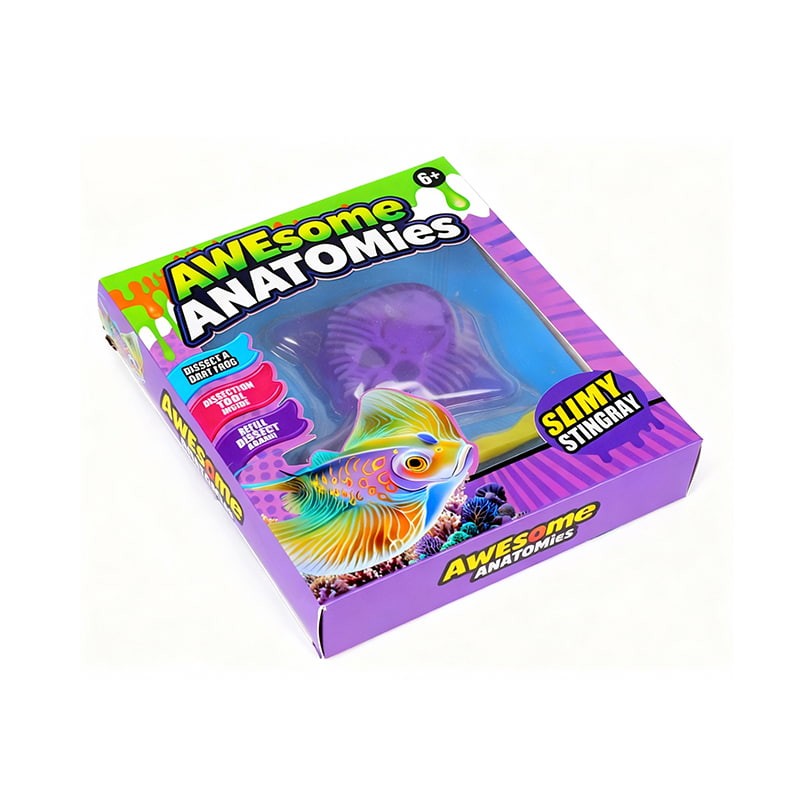
Kids’ Creative DIY Kits
Product Name JELLY GLUE Quantity per Box 48PCS Item Number DGJ-20006 Net We...View More -
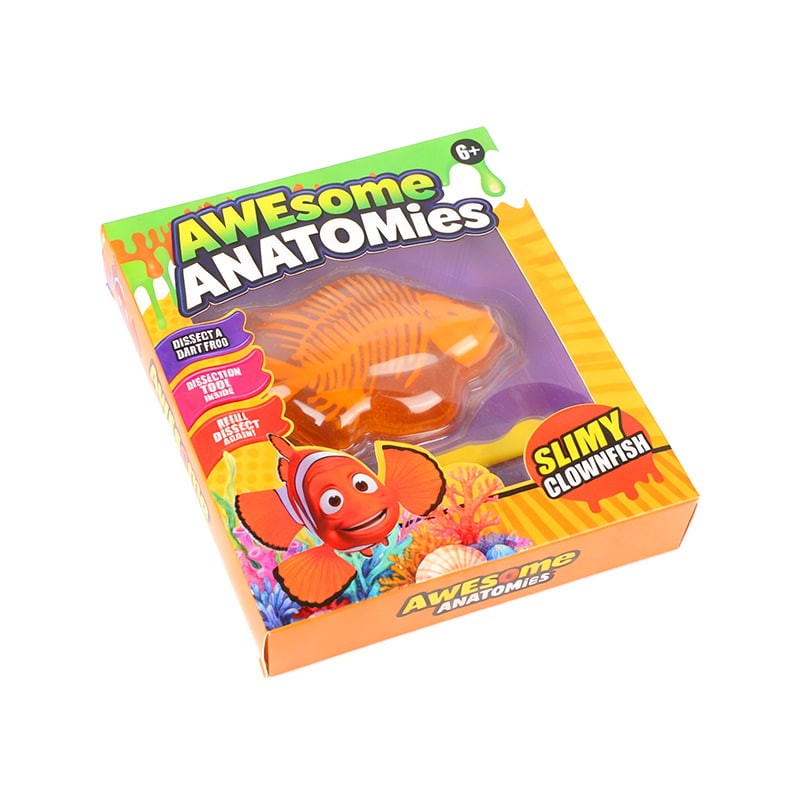
Kids’ Creative DIY Kits
Product Name JELLY GLUE Quantity per Box 48PCS Item Number DGJ-20007 Net We...View More -
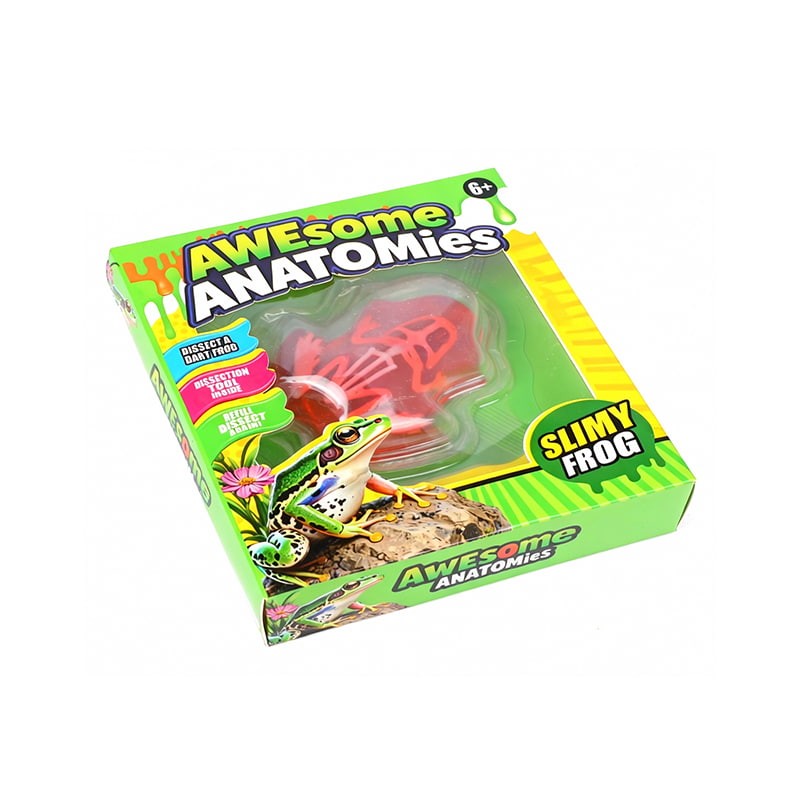
Kids’ Creative DIY Kits
Product Name JELLY GLUE Quantity per Box 48PCS Item Number DGJ-20008 Net We...View More -
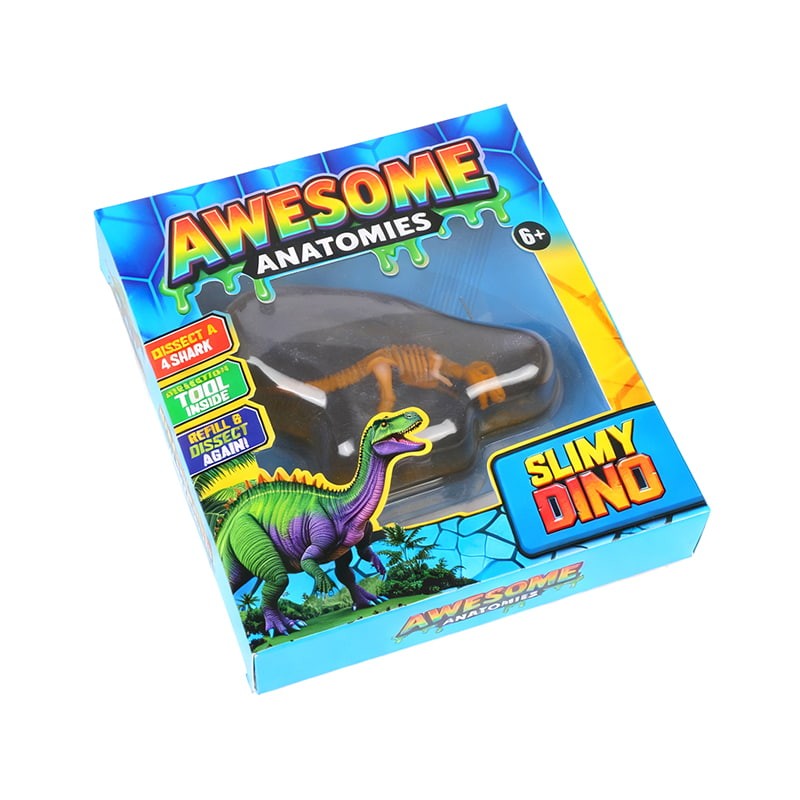
Kids’ Creative DIY Kits
Product Name DINOSAUR JELLY GLUE Quantity per Box 48PCS Item Number DGJ-20001 ...View More


- Product Category
- Kids’ Creative DIY Kits
- Modelling Dough Kit
- Squirmy Worms Sensory Toy
- Kinetic Sand
- Slime
- Snow Foam Clay
- Color Modeling Clay
- All Categories
- Contact Us
-
-
No. 1399, Jinguang Avenue, Fucheng Town, Jindong District, Jinhua City, Yiwu City, China

-
[email protected]

[email protected] -
+86-579-85172625

-