English
  русский
  Español
Industry News
Exploring Worm Sand’s Role in Sensory Play and Stress Relief
Content
Worm sand and decompression mud are two sensory materials that have gained popularity in recent years for their unique benefits in both playtime and relaxation activities. These materials provide an engaging experience for children while offering a calming effect for adults. While decompression mud is often used to relieve stress and promote relaxation, worm sand is a versatile tool that can contribute to a variety of sensory play activities, making it an excellent addition to both educational and therapeutic settings. In this article, we will explore the role of worm sand in sensory play and stress relief, offering practical insights for incorporating it into everyday routines.
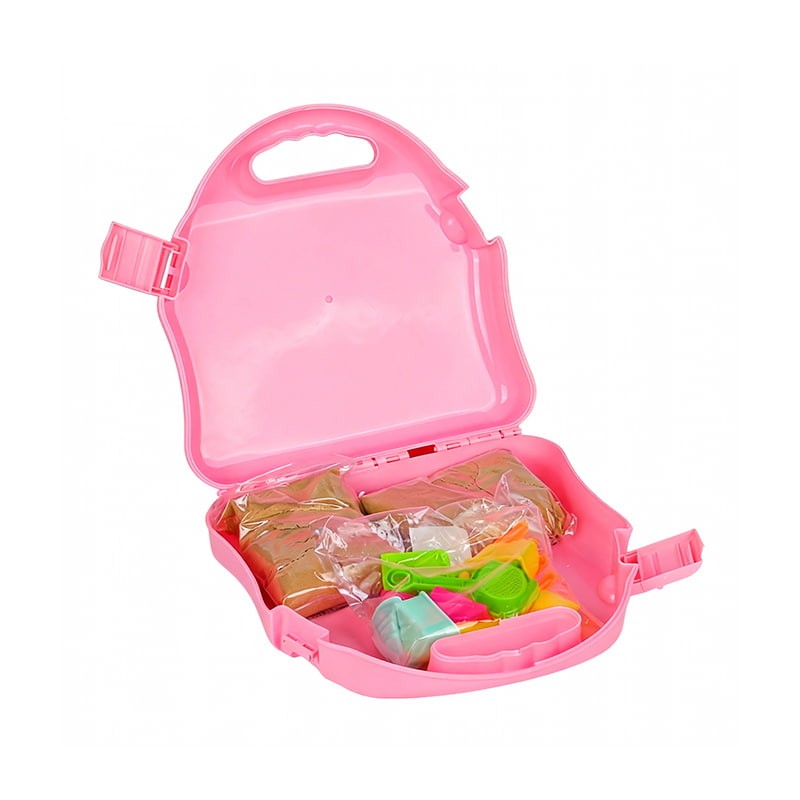
Understanding Worm Sand: What Makes It Unique?
Worm sand, a tactile substance often described as both granular and moldable, is popular in sensory play due to its engaging texture. This material typically resembles sand but has a slightly different consistency, often incorporating elements that make it more elastic and stretchy. Children are drawn to the sensory feedback worm sand provides, which can promote focus and concentration during play. The material’s versatile texture allows it to be shaped into different forms, making it ideal for molding and squeezing activities that improve fine motor skills.
The role of worm sand extends beyond just play. Adults and children alike can benefit from the calming effects it provides. The repetitive motion of squeezing, shaping, and playing with worm sand can offer a moment of mindfulness, reducing feelings of anxiety and promoting relaxation.
Practical Uses of Worm Sand in Sensory Play
Worm sand is particularly beneficial in the context of sensory play, where the goal is to engage a child’s senses to help them explore the world around them. Here are some practical ways to incorporate worm sand into playtime activities:
- Fine Motor Skills Development: The ability to mold, squeeze, and manipulate worm sand can help children improve their dexterity and hand-eye coordination. Tasks like pressing, rolling, or stretching worm sand help strengthen small hand muscles, which are essential for activities like writing or buttoning clothes.
- Creativity and Imagination: When used in open-ended play, worm sand can spark creativity. Children can use it to create sculptures, patterns, or figures, encouraging imaginative thinking.
- Calming Effects: For children who experience anxiety or sensory overload, worm sand can act as a soothing tool. The tactile nature of the material helps ground children, providing them with a safe space to focus and unwind.
How Worm Sand Supports Stress Relief for Adults
While worm sand is often associated with children’s play, its benefits extend to adults as well. Stress relief is a common reason people turn to sensory materials like decompression mud and worm sand. The act of manipulating worm sand can provide individuals with a physical outlet for stress, allowing them to concentrate on a task and shift focus away from overwhelming thoughts or emotions.
The process of handling worm sand encourages mindfulness, similar to the effects of activities like knitting or meditative breathing. As people focus on the texture and movements required to shape the material, they may find their stress levels lowering as they engage in these repetitive actions. In environments where mental clarity is important—whether at work or home—worm sand can offer a quick break from mental fatigue and help with stress management.
Incorporating Worm Sand into Daily Routines
To enhance the benefits of worm sand, it can be incorporated into daily routines in various ways. Here are some ideas for using worm sand during different parts of the day:
- At Work or School: Keep a small amount of worm sand on your desk or workspace. Take brief moments during the day to manipulate the sand, helping to relieve stress from intense mental tasks. For students, having access to worm sand during study breaks can improve focus and relaxation.
- During Family Playtime: Introduce worm sand to family play activities. Not only does it keep children entertained, but it can also be a bonding activity that encourages collaboration and shared creativity.
- At Home for Stress Relief: After a long day, take a moment to unwind with worm sand. Its soothing properties can provide a much-needed respite from daily pressures.
Worm Sand FAQs
Q1: Is worm sand safe for children to play with?
Yes, worm sand is generally safe for children. However, it’s important to supervise young children to avoid the risk of ingestion. Many worm sand products are non-toxic and designed specifically for play.
Q2: How does worm sand compare to other sensory play materials like slime?
Worm sand differs from slime in its texture. While slime is stretchy and can be quite sticky, worm sand offers a granular and moldable experience. Each material offers different sensory feedback, making them suitable for different types of play.
Q3: Can worm sand be used for therapeutic purposes?
Yes, worm sand can be helpful for individuals looking for a therapeutic sensory experience. Its tactile nature can help calm individuals dealing with anxiety, stress, or sensory sensitivities. It can also aid in fine motor skill development.
Q4: How should I store worm sand to maintain its texture?
Worm sand should be stored in an airtight container to prevent it from drying out. Keeping it sealed ensures that its texture remains consistent and ready for play.
Q5: Can worm sand be used for stress relief in adults?
Absolutely! Many adults use worm sand for relaxation and stress relief. Its tactile nature can offer a moment of mindfulness, helping to reduce stress and improve focus.
Q6: Is worm sand reusable?
Yes, worm sand is reusable. As long as it’s stored properly, it can be used repeatedly without losing its quality or texture.
NEXT:Decompression Mud: A Fun Way to Promote Relaxation for Children
-
Kids’ Creative DIY Kits
Product Name SLIME Quantity per Box 4X6PCS Item Number SLM-1001 Net Weight ...View More -
Kids’ Creative DIY Kits
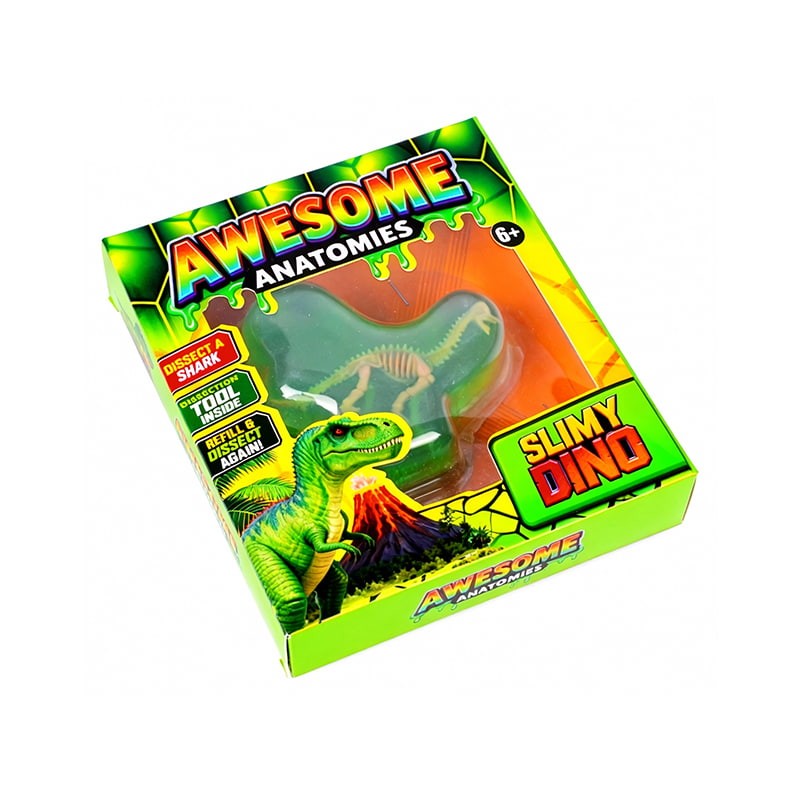
Product Name DINOSAUR JELLY GLUE Quantity per Box 24PCS Item Number DGJ-20004 ...View More -
Kids’ Creative DIY Kits
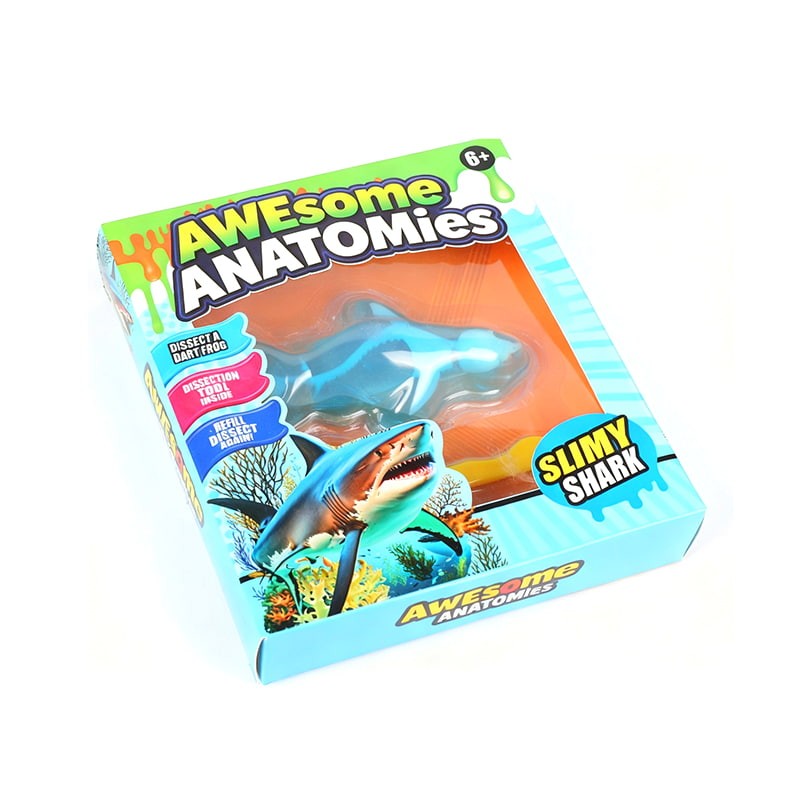
Product Name JELLY GLUE Quantity per Box 48PCS Item Number DGJ-20005 Net We...View More -
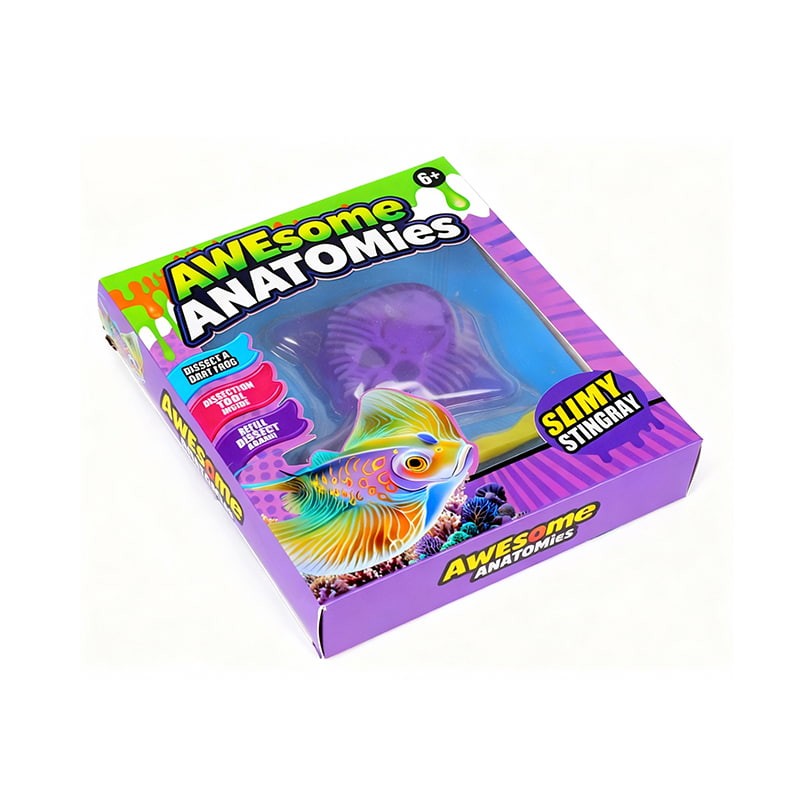
Kids’ Creative DIY Kits
Product Name JELLY GLUE Quantity per Box 48PCS Item Number DGJ-20006 Net We...View More -
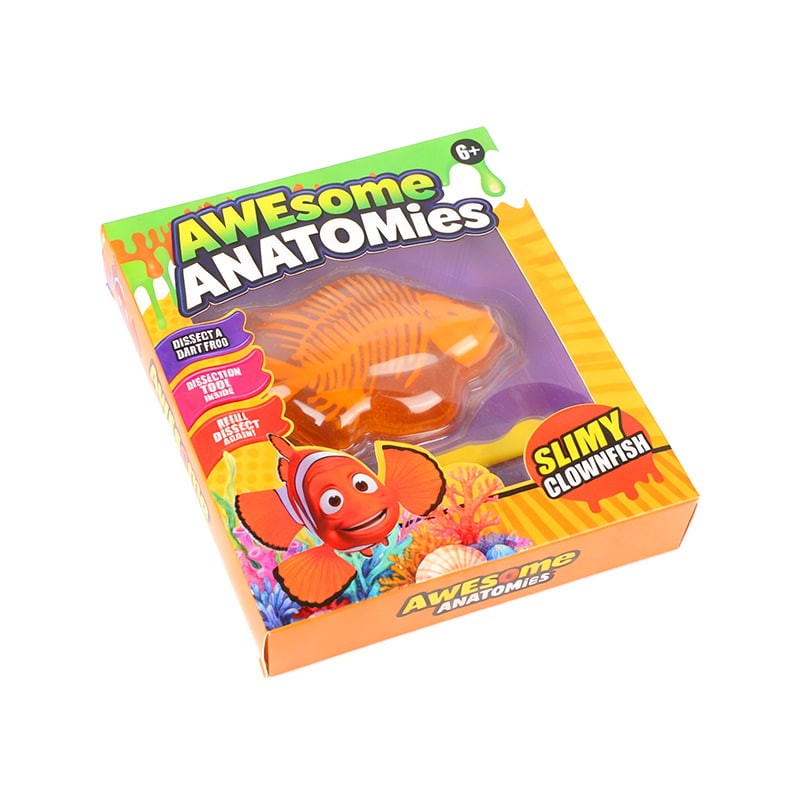
Kids’ Creative DIY Kits
Product Name JELLY GLUE Quantity per Box 48PCS Item Number DGJ-20007 Net We...View More -
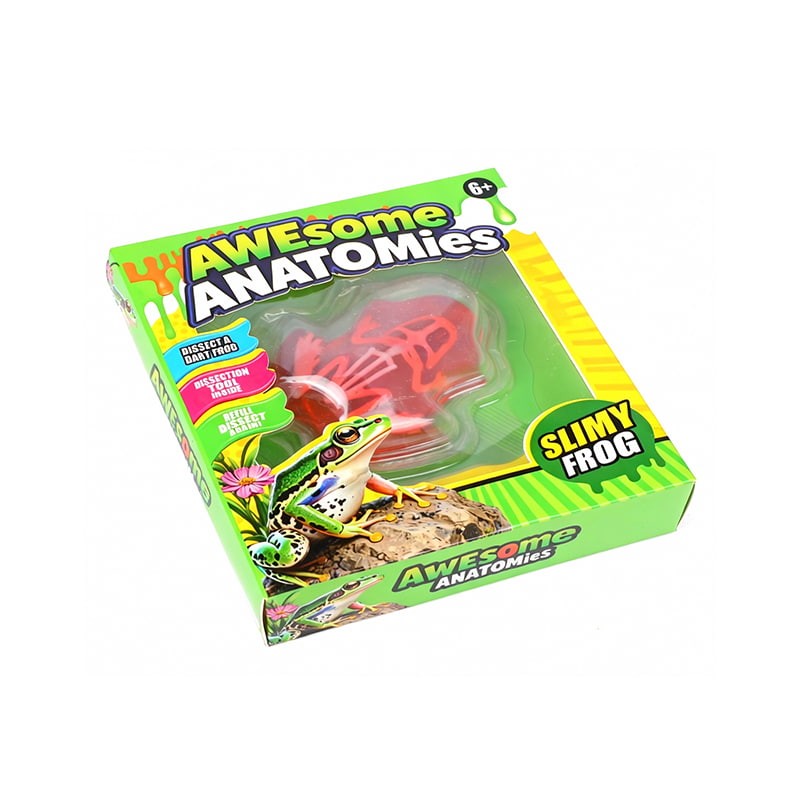
Kids’ Creative DIY Kits
Product Name JELLY GLUE Quantity per Box 48PCS Item Number DGJ-20008 Net We...View More -
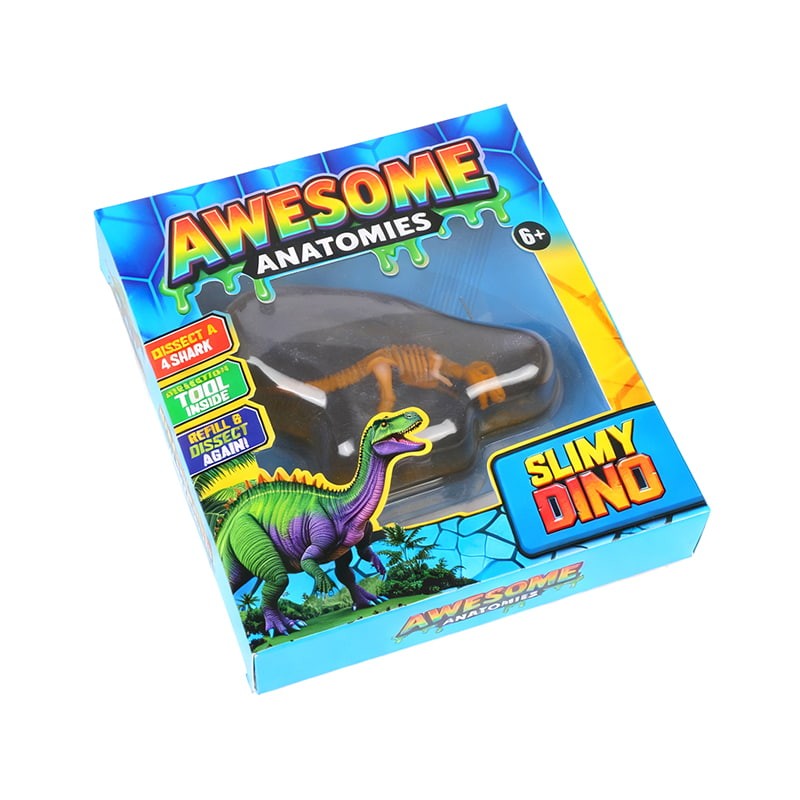
Kids’ Creative DIY Kits
Product Name DINOSAUR JELLY GLUE Quantity per Box 48PCS Item Number DGJ-20001 ...View More


- Product Category
- Kids’ Creative DIY Kits
- Modelling Dough Kit
- Squirmy Worms Sensory Toy
- Kinetic Sand
- Slime
- Snow Foam Clay
- Color Modeling Clay
- All Categories
- Contact Us
-
-
No. 1399, Jinguang Avenue, Fucheng Town, Jindong District, Jinhua City, Yiwu City, China

-
[email protected]

[email protected] -
+86-579-85172625

-